Purpose While capability and opportunity factors in dementia prevention have been extensively studied, the motivational mechanisms that translate these resources into behavior remain relatively underexplored. This study examined the mediating effect of self-efficacy on the relationships between instrumental activities of daily living (IADL), social networks, and dementia-prevention behaviors among community-dwelling older adults, guided by the capability, opportunity, motivation-behavior (COM-B) theoretical framework.
Methods A cross-sectional study was conducted with 205 community-dwelling adults aged 65 years and older residing in Gyeongsangnam Province, South Korea. Data were collected between July and September 2024 using validated instruments, including the Korean Instrumental Activities of Daily Living, Social Network Measurement Scale, General Self-Efficacy Scale, and Korean Health Behavior for Dementia Prevention Scale. Mediation analysis was performed using Hayes’ PROCESS macro (model 4) with bootstrap resampling (5,000 iterations) to estimate indirect effects, while controlling for demographic and health-related covariates.
Results Self-efficacy significantly mediated both the IADL–dementia-prevention behavior relationship (indirect effect, −0.33; 95% confidence interval [CI], −0.61 to −0.12) and the social network– dementia-prevention behavior relationship (indirect effect, 0.08; 95% CI, 0.002 to 0.19). The mediation models explained 40.7% and 48.5% of the variance in dementia-prevention behaviors, respectively. Bootstrap CIs confirmed significant partial mediation effects in both pathways.
Conclusion These findings provide empirical support for the COM-B model’s theoretical proposition that motivation serves as a critical bridge linking capability and opportunity factors to actual behavior. Nursing interventions should therefore integrate self-efficacy–enhancement strategies alongside traditional capability-building and opportunity-provision approaches to maximize the effectiveness of dementia-prevention programs for older adults.
Purpose This study aimed to examine the effects of a post-discharge tailored telephone (TATE) follow-up program for patients with low health literacy (LHL) who had undergone percutaneous coronary intervention.
Methods This pilot study employed a non-equivalent control group pretest–posttest design to evaluate the preliminary effects of a TATE follow-up program at a university hospital in Seoul. Data were collected from July 2020 to September 2021. A total of 51 patients were recruited, and 46 completed the study. Patients were divided into three groups: an intervention group with LHL, a control group with LHL, and a control group with high health literacy. The intervention group received two 15-minute phone calls as part of the TATE follow-up program.
Results The TATE follow-up program significantly improved disease- related knowledge in the intervention group compared with the control groups (p=.001). The intervention group also reported significantly higher satisfaction with nursing services than the other two groups (p=.006). However, there were no significant differences in changes in health behavior adherence among the groups, although the intervention group with LHL showed the greatest increase of 17.5 points after the intervention.
Conclusion This pilot study demonstrated that the TATE follow-up program was effective and feasible for improving disease-related knowledge and satisfaction with nursing services among patients with LHL. These findings highlight the importance of tailored transitional care interventions to support cardiovascular disease management and secondary prevention.
Purpose This review aimed to analyze the use of behavior change techniques (BCTs) and the degree of theory implementation using a theory coding scheme (TCS) in mobile self-management interventions for type 2 diabetes mellitus (T2DM). Methods: In this scoping review, four electronic databases (PubMed, EMBASE, CINAHL, and CENTRAL) and gray literature sources were searched. Studies were independently screened according to predefined criteria. The BCT taxonomy was used to categorize techniques, and the TCS was applied to evaluate the quality of theory implementation. Results: Seventeen randomized controlled trials were included. Twenty-five unique BCTs were identified (mean, 8.1 per study). Commonly used BCTs included social support (unspecified) (n=14), instructions on how to perform a behavior (n=14), feedback on behavior (n=11), and prompts/cues (n=11). Techniques related to capability, such as habit formation, rewards, framing/reframing, and verbal persuasion, were rare (n=1 study each). TCS scores ranged from 5 to 15 (mean, 10.3). All included studies cited a theory, used it to select intervention techniques, and employed randomization. However, no study used the findings to refine the theory, and only one conducted a mediational analysis of theoretical constructs. Conclusion: Mobile T2DM self-management interventions commonly rely on a limited range of BCTs and show restricted theoretical application beyond basic implementation. Future interventions should employ a broader array of BCTs and apply theories more rigorously, including tailoring interventions, empirically testing theoretical mechanisms, and refining theories based on results to increase their effectiveness.
Purpose This study aimed to examine the influence of health literacy and autonomy support on health behavior adherence among patients with premature coronary artery disease (PCAD), defined as onset before age 55 years in males and 65 years in females. Methods: A descriptive, cross-sectional design was employed. Data from 153 patients were collected at a hospital in Seoul, South Korea, between January and March 2023. Statistical analyses included the independent t-test, one-way analysis of variance, Pearson correlation coefficients, and hierarchical multiple regression, conducted using IBM SPSS WIN ver. 27.0. Results: Health literacy (β=.36, p<.001) was the strongest determinant of health behavior adherence. A disease duration of more than one year (β=.17, p=.016) was positively associated with adherence, while male sex (β=–.16, p=.039) and the absence of comorbidities (β=–.17, p=.011) showed significant negative associations. Autonomy support from healthcare providers was not significantly associated with health behavior adherence. Conclusion: Healthcare professionals should prioritize improving patient health literacy through tailored communication and educational strategies. Male patients and those newly diagnosed should be recognized as vulnerable groups for low adherence. Targeted interventions should be designed to meet their specific needs. Furthermore, patients with PCAD should be guided to increase their awareness and understanding of their condition.
Purpose The aim of this study was to identify the coping profiles of patients with coronary artery disease and to examine their associations with cardiac health behavior. Methods In this cross-sectional study, data from 203 patients undergoing percutaneous coronary intervention for coronary artery disease were analyzed. Data collection occurred between September 2020 and June 2021, utilizing self-report questionnaires and electronic medical records at a cardiology outpatient clinic. Descriptive statistics, latent profile analysis, and logistic regression were employed for data analysis. Results The Type I coping profile was characterized by the greater use of most coping strategies, particularly problem-focused approaches, relative to the other profiles. The Type II coping profile exhibited below-average use of all coping strategies, except for substance use. The Type III coping profile displayed higher tendencies toward venting, self-blame, denial, behavioral disengagement, and substance use compared to the other profiles. Patients with the Type I coping profile displayed greater engagement in cardiac health behavior than those with Type II and Type III, as indicated by odds ratios of 2.57 (95% confidence interval=1.31~5.07) and 7.19 (95% confidence interval=2.10~24.56), respectively. Conclusion Participation in cardiac health behavior varies according to the coping profiles of patients with coronary artery disease. Healthcare providers should recognize and support appropriate coping strategies in these patients to promote healthy behaviors. A longitudinal study investigating how changes in coping profiles relate to cardiac health behavior could assist patients with coronary artery disease in maintaining such behaviors.
Citations
Citations to this article as recorded by
Relation between health literacy and cardiac health behavior among Iranian cardiovascular disease patients Hamidreza Fallahabadi, Farzane Ahmadi, Farzaneh Karamitanha, Mohammadbagher Naser Discover Public Health.2026;[Epub] CrossRef
Purpose This study investigated the effects of spiritual well-being on the cognitive function of elderly people, focusing on the mediating effects of health-promoting behaviors and depression. Methods Using convenience sampling, 136 elderly people were recruited from October 2018 through February 2019 for a cross-sectional survey. Data were collected through the Spiritual Well-Being Scale, Health-Promoting Lifestyle Profile, Geriatric Depression Scale, Everyday Cognition, and Montreal Cognitive Assessment and analyzed using descriptive statistics and correlation. Mediation analysis was also conducted using Hayes’ PROCESS macro (Model 4). Results The mean scores for spiritual well-being, health-promoting behaviors, depression, objective cognitive function, and subjective cognitive function were 60.96, 108.09, 18.58, 19.49, and 63.35. The mediation effects in step 1 indicated that spiritual well-being had a statistically significant positive effect on health-promoting behaviors (B=0.32, p<.001) (R2 =32.0%) and a significant negative effect on depression (B=-0.09, p=.001) (R2 =31.0%). In step 2, spiritual well-being had a significant negative effect on subjective cognitive function (B=-0.12, p=.007) (R2 =23.0%). In step 3, the direct effect of spiritual well-being on subjective cognitive function was not significant when the mediating variables (healthpromoting behaviors and depression) were introduced. Health-promoting behaviors (B=-0.18, p=.047) and depression (B=0.41, p=.008) had complete mediating effects on the relationship between spiritual well-being and subjective cognitive function. Conclusion These findings suggest that there is a need to develop and implement nursing strategies that can improve spiritual well-being, and to develop a holistic nursing intervention that considers depression and health-promoting behaviors, when applicable, to improve cognitive function in elderly people.
Citations
Citations to this article as recorded by
Analysis of the Domestic Research Trends on Spiritual Health Gyeong-Hye Choi Journal of Korean Association for Qualitative Research.2023; 8(2): 189. CrossRef
Purpose Health behavior is important for the treatment of tuberculosis patients. This study aims to clarify the concept of health behavior in tuberculosis patients. Methods We used Rodger's evolutionary concept analysis method. A literature search was performed using the NDSL, NAL, RISS, PubMed, ProQuest, CINAHL, Web of Science and Cochrane Library published in Korean and English language from January 2015 to April 2021. After applying inclusion and exclusion criteria, a total of 69 articles were selected for final analysis. Results The analysis showed that five attributes determine health behavior concepts: willpower, the choice for every moment, counterbalance, overcoming, and multi-level multi-causal processes. Conclusion This study shows that health behavior in tuberculosis patients has evolved into a patient-centered approach in an evolutionary context. The results of this study will contribute to the development of intervention access and management programs for health care providers, including nurses.
Purpose This study aimed to examine the effects of health-related behaviors on metabolically healthy non-obese or obese groups and to analyze gender differences. Methods This study was a secondary descriptive study. A total of 14,277 adults from the Korea National Health and Nutrition Examination Survey 2013~2015 were classified as: metabolically healthy non-obese; metabolically unhealthy non-obese; metabolically healthy obese; or metabolically unhealthy obese. Five health-related behaviors (amount of alcohol consumption, smoking status, physical activity, daily energy intake, and sleep duration) were included as independent variables. Results The health-related behaviors associated with metabolic status in non-obese participants were drinking and smoking, whereas those of obese individuals were associated with physical activity. Subgroup analysis showed that more metabolically healthy non-obese men were light drinkers and former smokers than metabolically unhealthy non-obese men.
Metabolically healthy non-obese women were more likely to engage in physical activity than metabolically unhealthy non-obese women. Among the obese men, light drinking and physical activity were associated with metabolic status. Conclusion Evidence-based interventions promoting health-related behaviors are needed to support metabolic health, considering the metabolic status and obesity phenotypes of the participants and their gender.
Citations
Citations to this article as recorded by
Health Characteristics, Nutrient Intake, and Associated Risk Factors According to the Metabolic Health and Obesity Status in Korean Adults : Based on the Korea National Health and Nutrition Examination Survey 2015 Jounghee Lee, Seonghyun Lim, Young-Min Lee Korean Journal of Human Ecology.2023; 32(6): 845. CrossRef
Purpose This study aimed to examine health-promoting behaviors among Vietnamese students in Korea and identify the factors affecting these behaviors.
Methods: A survey using self-administered questionnaires was employed. Data were collected between October 2020 and May 2021 from 260 Vietnamese students whose stay in Korea has been for longer than six months and who agreed to participate in the study. Variables included health-promoting behaviors (physical activity, nutrition, stress management, and health risk behavior), self-esteem, acculturative stress, and social support. A multiple regression analysis was performed to assess the factors that might influence health-promoting behaviors.
Results: Of the total participants, 56.9% were women, and the mean age was 24.60±2.58 years. The mean score of the participants on total health-promoting behaviors was 2.64±0.36, on self-esteem 2.96±0.35, on acculturative stress 2.39±0.15, and on social support 2.53±0.24. Self-esteem, acculturative stress, social support, length of stay in Korea, and education level were found to affect healthpromoting behaviors, and these variables explained 76.2% of the variance.
Conclusion: There is a need to develop intervention strategies for promoting self-esteem and social support programs and coping strategies for managing acculturative stress to increase health-promoting behaviors among Vietnamese students.
Purpose This study aimed to obtain insights into the meaning and nature of the lived experiences of environmental health behavior among pregnant women.
Methods: The hermeneutic phenomenology framework developed by Max van Manen informed this study, which included 17 pregnant women as participants. Data were collected using in-depth interviews of the participants between July and September 2020.
Results: The key themes identified were: “fear of health threats to the mother and baby”, “patience with inconveniences for fetal health”, “movement for the environment”, and “generativity embodied from pregnancy”. Participants expressed that they had deeper experiences with regard to their environmental health behavior during pregnancy than they did before, and recognized that communal environmental behaviors impact future environmental pollution. They had a negative perspective towards environmental pollution involving plastics and chemicals, and wanted to protect their children's health by making the best possible behavioral choices.
Conclusion: This study revealed the meanings of environmental health perceptions and behavioral experiences in the participants' sociocultural context. These findings have implications for health care providers' prenatal care practices that focus on environmental health from an ecological perspective.
Citations
Citations to this article as recorded by
Mixed Method Study of Drivers and Obstacles to Exposure-reducing Behaviors to Endocrine-disrupting Chemicals During Pregnancy Nalae Moon, Ju Hee Kim Nursing Research.2026; 75(5): 355. CrossRef
The protocol of DECO-MOM: a clinical trial testing the effectiveness of a mobile application for an environmental health intervention among pregnant women Hyun Kyoung Kim BMC Medical Informatics and Decision Making.2023;[Epub] CrossRef
The effects of environmental prenatal program on environmental health perception and behavior using internet-based intervention in South Korea: A non-randomized controlled study Hyun Kyoung Kim, Geum Hee Jeong, Hye Young Min, George Vousden PLOS ONE.2022; 17(11): e0277501. CrossRef
Purpose This study aimed to identify how health literacy in patients with stroke and their family caregivers influences their health behavior.
Methods: A total of 95 patient-family caregiver dyads were recruited from March to September 2018. Health literacy was measured using the newest vital sign and the health behavior scale was used to identify the health behavior of patients. Data were analyzed using descriptive statistics, independent t-tests, one-way analysis of variance, Pearson’s correlation, and multiple regression.
Results: The mean age of patients with stroke and family caregivers was 69.44±8.25 and 54.01±14.42 years, respectively. The proportion of women in the family caregivers was 72.6%. The average health literacy score of patients with stroke and their family caregivers was 2.26±1.75 and 3.03±1.97, respectively. The multiple regression analysis revealed that patients’ interest in health (p<.001), health literacy (p=.037), age (p=.001), and caregivers’ gender (p=.028) were the significant factors influencing health behavior of patients with stroke.
Conclusion: In providing optimal care, nurses must ensure that information is provided to both patients and their family caregivers in a clear and effective manner. To improve health behavior in patients with stroke, various strategies are needed to increase their interest in health while considering their age and health literacy.
Citations
Citations to this article as recorded by
Effects of Health Literacy, Self-Efficacy, and Depression on Self Care Adherence in Patients with Ischemic Stroke Min-Jin Jo, Eun-Mi Kim Journal of Fundamental Nursing Science.2026; 33(3): 313. CrossRef
Stroke knowledge and health-promoting behaviors: Mediating effect of patient self-esteem GyeongChae MUN, JaeLan SHIM Patient Education and Counseling.2024; 129: 108398. CrossRef
Evaluation of the health literacy in patients with stroke and relationship between health literacy and functional status on quality of life in patients with stroke Pınar Özge Başaran, Ayşe Gülşen Doğan Journal of Health Sciences and Medicine.2024; 7(1): 32. CrossRef
Purpose Patients with pulmonary disease are more vulnerable to Particulate Matter (PM). It is important to promote health behaviors to minimize negative effects. This study aims to investigate risk perception, knowledge, and PM-related health behaviors in patients with pulmonary disease and identify the factors affecting PM-related health behaviors. Methods Participants were 201 patients with pulmonary disease who visited the outpatient clinic in a hospital. Data were collected using self-administered questionnaires and medical records from December 2019 to February 2020. The collected data were analyzed using descriptive statistics, independent t-test, one-way ANOVA, Pearson’s correlation coefficient, and multiple regression analysis. Results The average score of PM-related health behaviors was 22.79±4.43. In multiple regression analysis, factors affecting PM-related health behaviors were participants with higher risk perception of PM (,p<.001) and with longer pulmonary disease (p=.006). Moreover, participants who smoked previously but not currently (p<.001) and had never smoked (p=.001) had higher level of health behaviors than those who smoke. Conclusion Patients with pulmonary disease reported to have high level of overall PM-related health behaviors, but their performance on health behaviors that required knowledge was reported to be insufficient. Therefore, a patient-tailored educational program is needed to improve PM-related health behaviors by emphasizing risk perception related to PM. Special attention should be given to smokers and patients who experience a short disease period to improve PM-related health behaviors.
Citations
Citations to this article as recorded by
Development and Validation of the Dust Exposure Reduction Behavior Scale Sung Woo Hwang, Hyun Kyoung Kim Sage Open.2024;[Epub] CrossRef
Development and Effectiveness of the School‐Based Education Program for Coping With Particulate Matter Soo Hyun Cho, Won‐Oak Oh, Minhyun Suk, Soo Kyung Park Journal of School Health.2023; 93(11): 1016. CrossRef
An Exploratory Study on the Policy for Facilitating of Health Behaviors Related to Particulate Matter: Using Topic and Semantic Network Analysis of Media Text Hye Min Byun, You Jin Park, Eun Kyoung Yun Journal of Korean Academy of Nursing.2021; 51(1): 68. CrossRef
PURPOSE This study aimed to identify the factors explaining the performance of health behaviors among adults with metabolic syndrome based on the theory of planned behavior. METHODS A total of 218 adults with metabolic syndrome were recruited for the study from September to December, 2017. Data were analyzed using SPSS/WIN 22.0 and AMOS 24.0. RESULTS The hypothetical model appeared to fit the data with χ²/df=2.65, SRMR (Standardized Root Mean Residual)=.07, PNFI (Parsimonious Normed Fit Index)=.67. Attitude toward health behavior, subjective norm and perceived behavioral control explained 32.3% of variance in intention toward health behavior. Perceived behavioral control showed significant direct effects and mediating effect through intention on health behavior (γ=.57, t=5.85). Family support also had significant direct effects on health behavior (γ=.38, t=4.75). Attitude toward health behavior, subjective norm, perceived behavioral control, and family support were the significant factors explaining 56.3% of variance in the performance of health behaviors among patients with metabolic syndrome. CONCLUSION Health promotion programs for behavioral modification in this population should focus on these factors to lead to better health outcomes. Further studies are warranted to test the health promotion strategies based on theory of planned behavior for long-term change toward a healthy lifestyle among individuals with metabolic syndrome.
Citations
Citations to this article as recorded by
Path analysis of cardiovascular disease preventive health behavior in postmenopausal Korean women based on the I-Change model Se Jin Hong, Sooyeon Park Scientific Reports.2026;[Epub] CrossRef
Exploring Public Relation Campaigns Research from 2019 to 2024: A Systematic Review Baraa Abed Open Journal of Business and Management.2025; 13(05): 3254. CrossRef
Factors Affecting Radiation Protective Behaviors in Perioperative Nurses Applying the Theory of Planned Behavior: Path Analysis Se Young Jang, Hee Sun Kim, Seok Hee Jeong, Young Man Kim Journal of Korean Academy of Nursing.2023; 53(2): 222. CrossRef
Factors Associated with Prevention of Metabolic Syndrome Among Middle-Aged Postmenopausal Korean Women: A Study Based on the Information, Motivation, Behavioral Skills (IMB) Model Yoonjung Kim, Sooyeon Park Patient Preference and Adherence.2023; Volume 17: 2279. CrossRef
Predictors of Health Promotion Behaviors Among Working Adults at Risk for Metabolic Syndrome Sungwon Park, Min Kyeong Jang, Chang Gi Park, Oi Saeng Hong Nursing Research.2022; 71(4): 275. CrossRef
Development and Evaluation of an Integrated Health Management Program for Psychiatric Patients with Metabolic Syndrome Yun Bock Kwak, Ji Young Kim Journal of Korean Academy of Nursing.2022; 52(3): 261. CrossRef
An Analysis and Evaluation of the Theory of Planned Behavior Using Fawcett and DeSanto-Madeya's Framework Sungwon Park, Hyewon Shin Advances in Nursing Science.2021; 44(4): E141. CrossRef
PURPOSE This study was conducted to identify cardiovascular risk factor cluster types in early middle-aged male workers in their 30s and 40s, and to identify differences in awareness of mobile health and preventive health behaviors by cluster type. METHODS This study adopted a cross-sectional descriptive design. Male workers aged 30~49 years with cardiovascular risk factors (n=166) at three medical device manufacturers in June, 2019 were recruited. Self-reported questionnaires were administered. K-means cluster analysis was performed using four measurement tools: e-health literacy, behavior of seeking health information on the internet, intent to use mobile health, and preventive health behavior. RESULTS Three cluster groups were identified based on 7 risk factors: "unhealthy behavior (51.8%)", "chronic disease (28.9%)", and "dyslipid · family history (19.3%)". In the "unhealthy behavior" group where more than 70% of the participants were smoking and drinking heavily, the awareness of mobile health utilization such as behavior of seeking information on the internet and intent to use mobile health, especially usefulness, was significantly lower than that in the other two groups. The preventive health behavior was also the lowest among the three groups. CONCLUSION We suggest that when planning for mobile-use cardiovascular prevention education for early middle-aged male workers, it is necessary to consider a cluster of risk factors. Strategies for raising positive awareness of the use of mobile health should be included prior to cardiovascular health education for workers with unhealthy lifestyles such as smoking and excessive drinking alcohol.
Citations
Citations to this article as recorded by
Factors influencing cardiovascular health behaviors among Korean-Chinese migrant workers with metabolic syndrome using mixed methods Yu Zhu Zhang, Seon Young Hwang Scientific Reports.2025;[Epub] CrossRef
The Moderating Effect of Mental Health on the Relationship Between Cardiovascular Disease Awareness and Health Behaviors of Middle-Aged Korean Chinese Workers With Cardiovascular Risk Factors in Korea Yu Zhu Zhang, Seon Young Hwang Journal of Transcultural Nursing.2023; 34(2): 131. CrossRef
Comparison of Factors Related to Health Behavior for Cardiocerebrovascular Disease Prevention in Middle-Aged Women with and without Depression Eun Ko, Hyukjoon Kim Journal of Korean Academy of Fundamentals of Nursing.2022; 29(4): 543. CrossRef
Comparison of Stroke Knowledge, Health Beliefs, and Stroke Prevention Behavior between Early and Middle-Aged Adults Eun Ko STRESS.2022; 30(2): 98. CrossRef
The Impact of Cluster-Type Risk Factors on Adverse Clinical Prognosis in Patients with Coronary Artery Disease: A Secondary Data Analysis In Ae Uhm, Seon Young Hwang Korean Journal of Adult Nursing.2020; 32(2): 156. CrossRef
PURPOSE This study aimed to investigate the improvement in lifestyle of patients with Colorectal Cancer (CRC) by examining their lifestyle before and after diagnosis, and to identify the factors influencing lifestyle improvement to prevent the recurrence of CRC. METHODS The participants were 125 patients with CRC who visited the outpatient clinic of Kyungpook National University Chilgok Hospital in Daegu from December 2017 to March 2018. Questionnaires consisted of items on CRC-related lifestyle, knowledge of lifestyle risks for CRC, beliefs of lifestyle improvement (perceived benefits and barriers), self-efficacy, and fear of cancer recurrence. Lifestyle improvement referred to the score given to the improved lifestyle through the score difference in the measure of lifestyle related to CRC before and after diagnosis. The collected data were analyzed using SPSS/WIN 21.0 program. RESULTS The factors influencing lifestyle improvement were gender (β=.46, p<.001), age (β=.31, p<.001), knowledge of lifestyle risks for CRC (β=.20, p=.005), perceived benefits of lifestyle improvement (β=.19, p=.008), and number of discomforts(symptoms) that impede lifestyle improvement (β=.17, p=.016). These variables explained 38% of CRC patients' lifestyle improvement. CONCLUSION These findings suggest that we need to find ways to provide knowledge of the lifestyle risks for CRC to patients with CRC and improve their perceptions of the benefits of lifestyle improvement to promote lifestyle improvement and help prevent the recurrence of CRC after CRC diagnosis.
Citations
Citations to this article as recorded by
Health-promoting lifestyle among Chinese patients with colorectal polyps: a cross-sectional study Jingru Zhou, Yanjun Liu, Fang Yang, Yanfen Wang, Yan Liu, Wenwen Ming, Sisi Guo, Dan Zhou, Lin He, Xiaoli Zhong Scientific Reports.2025;[Epub] CrossRef
The Proliferation Inhibitory Effect of Postbiotics Prepared from Probiotics with Antioxidant Activity against HT-29 Cells Yeeun Kim, Hak Jun Kim, Keunho Ji Applied Sciences.2022; 12(24): 12519. CrossRef
What is the prevalence of fear of cancer recurrence in cancer survivors and patients? A systematic review and individual participant data meta‐analysis Yvonne L. Luigjes‐Huizer, Nina M. Tauber, Gerry Humphris, Nadine A. Kasparian, Wendy W. T. Lam, Sophie Lebel, Sébastien Simard, Allan Ben Smith, Robert Zachariae, Yati Afiyanti, Katy J. L. Bell, José A. E. Custers, Niek J. de Wit, Peter L. Fisher, Jacquel Psycho-Oncology.2022; 31(6): 879. CrossRef
Convalescent Hospital Use among Young and Older Female Cancer Survivors Hyesun Park, Kisook Kim International Journal of Environmental Research and Public Health.2021; 18(5): 2744. CrossRef
PURPOSE The purpose of the study was to systematically review the associations among health literacy, psychosocial factors, and cancer-related health actions. METHODS PubMed, CINAHL, PsycARTICLES, KISS, RISS, and KoreaMed were searched for articles published between January 2000 and March 2018. Fourteen studies were identified and reviewed for the associations among the variables based on Von Wagner's framework on health literacy and health actions. Two researchers reviewed the articles independently using the Mixed Methods Appraisal Tool. RESULTS Of the 14 relevant studies, five studies analyzed all of the associations among health literacy, motivational or volitional factors, and cancer-related health actions. Eleven studies investigated the association between health literacy and motivational factors, including knowledge (n=11) and attitudes (n=6). Four studies investigated the association between health literacy and volitional factors, including self-efficacy (n=4) and efforts to search cancer-related information (n=1). CONCLUSION The possible paths between health literacy and cancer-related health actions mediated through the psychosocial variables were identified. Further research is warranted to substantiate the mediating pathways of the associations between health literacy and cancer-related health actions.
Citations
Citations to this article as recorded by
Income-related Inequalities in Cancer Screening Among Korean Adults Aged 40 and Above: A Cross-sectional Analysis of the Age-varying Mediation of Health Literacy Hyejin Hong, Hyun-Jin Goo, Hyebin Choi, Sin Kam, Jong-Yeon Kim Journal of Preventive Medicine and Public Health.2026; 59(2): 184. CrossRef
Determining global trends in health literacy research using topic modeling Su Hyun Kim, Woojin Kang, Eunhye Yoon, Jongwook Lee Korean Journal of Health Education and Promotion.2023; 40(2): 79. CrossRef
Health literacy measures in South Korea: A scoping review Heeran Chun, Su Hyun Kim, Eunja Park Korean Journal of Health Education and Promotion.2022; 39(4): 39. CrossRef
Validity and Reliability of the Korean Version of Assessment of Health Literacy in Breast and Cervical Cancer Screening Hye Sook Shin, Eunlim Chi, Hae-Ra Han Journal of Korean Academy of Nursing.2021; 51(6): 769. CrossRef
The Impact of Sleep Quality and Education Level on the Relationship between Depression and Suicidal Ideation in Parents of Adolescents Ji Yeon Shim, Sook Lee, Il Hyun Lee, Yoo Mi Jeong Healthcare.2021; 9(9): 1171. CrossRef
PURPOSE The study aims were to examine motivation factors for behavioral modification among individuals with metabolic syndrome at each stage of behavioral change. METHODS The correlational research design was used to explore motivation factors of self-efficacy, perceived benefits, perceived barriers, and emotional salience to explain health behaviors. Total of 239 patients with metabolic syndrome completed the structured questionnaire and the data were analyzed by SPSS/WIN 22.0 for ANOVA and multiple regression analysis. RESULTS The average age of participants were 59 years old, and 52.3% perceived their health relatively worse than others. The motivation and health behaviors except for smoking cessation were significantly different at each stage of planning, preparation, and action-maintenance. The motivation factors explained 25% of variance in health behavior at planning stage, 38% at preparation stage, and 31% at action-maintenance stage. Self-efficacy and perceived barriers were significant predictors at the planning and action-maintenance stages, while self-efficacy was a significant predictor at preparation stage. CONCLUSION The performance of health behaviors was significantly different at the stages of change along with a different set of motivation factors. Nursing strategies should focus on cognitive and emotional motivation factors to lead initiation and maintenance of behavioral modification in individuals with metabolic syndrome.
Citations
Citations to this article as recorded by
Factors Related to the Dementia Prevention Behavior among Community-dwelling Older Adults based on the Health Belief Model: A Cross-sectional Descriptive Study Jin Young Lee, Eun Ko Journal of Korean Academy of Fundamentals of Nursing.2024; 31(3): 263. CrossRef
Cognitive and Emotional Motivation to Explain Infection-Prevention Behaviors with Social Support as a Mediator During the COVID-19 Pandemic: A Nationwide Cross-Sectional Study in Korea Myonghwa Park, Keunyeob Oh, Hyungjun Kim, Xing Fan, Thi-Thanh-Thnh Giap, Rhayun Song Patient Preference and Adherence.2023; Volume 17: 1063. CrossRef
Motivational Factors for Smoking Behaviors in Individuals with Metabolic Syndrome Moonkyoung Park, Baram Kang, Ahyun Ryu, YueLin Li, Rhayun Song Patient Preference and Adherence.2021; Volume 15: 2847. CrossRef
The Relationship between Meal Regularity and Oral Health and Metabolic Syndrome of Adults in Single Korean Households Jin-Ah Jung, Hye-Won Cheon, On-Ju Ju Journal of Dental Hygiene Science.2021; 21(3): 185. CrossRef
Effects of BeHaS Program on Health Behavior, Physiologic Index and Self-Esteem of the Elderly Living Alone with Metabolic Syndrome Based on Community Based Participatory Research Jong Im Kim, Sun Ae Kim, Keumok Park, Jiyoung Kim, Lina Lee, Si Wan Choi, Bon Jeong Ku Journal of Korean Academy of Nursing.2020; 50(4): 571. CrossRef
PURPOSE The purpose of this study was to identify the mediating effects of self-efficacy and family support in the relationship between illness perception and health behaviors among patients with tuberculosis. METHODS A descriptive, cross-sectional study was conducted with 219 patients with tuberculosis from one general hospital in D city in Korea. The participants took medication over a two months period. Data were collected from four self-reported questionnaires including Health behaviors Questionnaire and Family Support Questionnaire. Of the four questionnaires, Venereal Disease Education Health Belief Model Scales and Health Belief Model Scales were modified for this study population with tuberculosis. Data were analyzed by descriptive statistics, Pearson's correlation coefficients, and multiple regression analysis using SPSS statistics 23.0 program. RESULTS A positive correlation existed between health behaviors and illness perception (r=0.80, p < .001), self-efficacy (r=0.66, p < .001), and family support (r=0.73, p < .001). Self-efficacy and family support had partial mediating effect on the relationship between illness perception and health behaviors. CONCLUSION Theses results indicated that in order to improve the health behaviors of patients with tuberculosis, it is necessary to develop a management plan that focuses not only on the illness perception but also on the self-efficacy and the role of the family support.
Citations
Citations to this article as recorded by
Effects of illness perception on negative emotions and fatigue in chronic rheumatic diseases: Rumination as a possible mediator Yanxia Lu, Xia Jin, Li-Wei Feng, CSK Tang, Michelle Neo, Roger C Ho World Journal of Clinical Cases.2022; 10(34): 12515. CrossRef
Self-care Efficacy and Health-related Quality of Life among Patients on Primary Treatment for Pulmonary Tuberculosis: The Mediating Effects of Self-Care Performance Hyun Ju Lee, Jiyoung Park Korean Journal of Adult Nursing.2020; 32(3): 305. CrossRef
Qualitative Analysis of the Disease Experience of Korean Older Men With Chronic Obstructive Pulmonary Disease Kisook Kim, Ji Woon Ko, Sangbong Choi Journal of Gerontological Nursing.2020; 46(2): 49. CrossRef
Emotional Intelligence, Problem Solving Ability, Self Efficacy, and Clinical Performance among Nursing Students: A Structural Equation Model Mi Sook Kim, Sue Kyung Sohn Korean Journal of Adult Nursing.2019; 31(4): 380. CrossRef
PURPOSE Korean elderly women residing in rural areas still appear to be marginalized from health services for cancer prevention. The purposes of this study were to measure the degrees of colorectal cancer (CRC) knowledge, health literacy, and self-management behaviors among the elderly women in rural areas and to identify the influences of their CRC knowledge and health literacy on self-management behaviors. METHODS Total 121 elderly women aged 65 or older living in rural areas were recruited for this descriptive study and answered survey questionnaires. RESULTS The participants' mean age was 78.2±7.51 years old. Of participants, 49.6% completed CRC screening and age of non-screening group was significantly older than that of screening group (χ²=35.31, p < .001). The screening group showed higher levels of CRC knowledge (t=3.76, p < .001) and cancer preventive behaviors (t=2.68, p=.008) than non-screening group. Age (B=0.15) and CRC knowledge (B=-0.36) were identified as influencing factors on the CRC screening. Health literacy (β=.37) and CRC knowledge (β=.30) were found as the most influencing factors on the cancer preventive behaviors. CONCLUSION The results of this study could be used as a basis for developing educational interventions and effective strategies specifically for the elderly women residing rural areas in Korea.
Citations
Citations to this article as recorded by
Health literacy and associated factors in adult Korean women: a correlational study using the 2023 Korea National Health and Nutrition Examination Survey data Mijong Kim, Hyunju Chae Women's Health Nursing.2026; 32(1): 64. CrossRef
Structural Equation Modeling Analysis on Health Literacy and Cancer Prevention Behaviors among Medically-Underserved, Low-Income Populations Eun Jin Kim, Su Hyun Kim Journal of Korean Academy of Fundamentals of Nursing.2021; 28(1): 83. CrossRef
Factors Influencing the Self-management Behaviors of the Elderly with Hypertension in the Local Community Jeongju Hong Journal of Korean Academy of Community Health Nursing.2021; 32(3): 303. CrossRef
Associations among Health Literacy, Psychosocial Factors, and Cancer-related Health Actions: A Systematic Literature Review Eun Jin Kim, Su Hyun Kim Korean Journal of Adult Nursing.2018; 30(6): 565. CrossRef
PURPOSE The aim of this study was to identify gender and age differences in health status and health behaviors of community-dwelling older adults in an urban city. METHODS A convenience sample of 500 older people were recruited. Participants completed eight study instruments by face to face interview. The instruments were the Korea Instrumental Activities of Daily Living (K-IADL), Short Physical Performance Battery (SPPB), Body Mass Index (BMI), Mini Nutritional Assessment-Short Form, Stanford Research Instruments for Chronic Disease, Geriatric Depression Scale Short Form Korea version, EuroQol-5 Dimensions scale (EQ-5D), and the Study of Osteoporotic Fracture Frailty Index. RESULTS 71.6% were females and mean age of all participants was 74.4 years. Participants were divided into three age groups: 60 to 74 years (n=263, 52.6%), 75 to 84 years (n=207, 41.4%), and ≥85 years (n=30, 6.0%). Significant gender differences were found in educational level, marital status, family type, religion, perceived economic status, K-IADL, SPPB, grip strength, BMI, fatigue, smoking, drinking, communication with physicians and nurses, and EQ-5D. There were significant differences among the three age groups on educational level, marital status, family type, SPPB, grip strength, regular health check-up, communication with physicians and nurses, and frailty. CONCLUSION Gender difference should be taken into consideration more than age when policy and preventive programs for community-dwelling older adults in an urban city is developed.
Citations
Citations to this article as recorded by
Factors Affecting Happiness Among Rural Residents: A Cross Sectional Survey Hae Kyung Jo, Hyun Kyoung Kim, Ji Na Jeong Community Mental Health Journal.2020; 56(5): 915. CrossRef
Validity and Reliability of the Korean Version of the Basic Physical Capability Scale for Older Adults Eun-Ok Song, Gwi-Ryung Son Hong Korean Journal of Adult Nursing.2020; 32(1): 21. CrossRef
Older Adults' Perceptions of Age-friendliness with an Emphasis on Community Supports and Health Services in a City in South Korea Chi-Young Lee, Belong Cho, Youngtae Cho, Yeon-Hwan Park Journal of Korean Academy of Community Health Nursing.2019; 30(2): 234. CrossRef
PURPOSE The purpose of this study was to identify the following: knowledge of stroke, fear of recurrence and health behaviors among patients with ischemic stroke. Further, factors influencing health behavior will be described. METHODS Data were collected from 180 patients with ischemic stroke at a general hospital. The study instruments included items about general and health related characteristics, a Stroke Knowledge Scale, a Stroke Fear of Recurrence Scale, and a Health Behavior Scale. Hierarchical regression method was conducted to examine predictors of health behavior. RESULTS The mean age of the participants was 63.62±11.10 years, and 57.8% of the sample was men. The mean score for stroke knowledge (possible range=0~17) was 14.99±1.76, the mean score for fear of recurrence (possible range=0~32) was 23.16±3.75, and the mean score for health behavior (possible range=20~80) was 54.69±6.46. Stroke knowledge and fear of recurrence were associated with health behavior in patients with ischemic stroke (F=9.98, p < .001, Adjusted R²=.43). CONCLUSION The results demonstrated that stroke knowledge and fear of recurrence impacts the health behavior among patients with ischemic stroke. Thus, nursing interventions which focused on fear of recurrence as well as enhancing stroke knowledge could help health behavior in patients with ischemic stroke.
Citations
Citations to this article as recorded by
Fear of progression and association factors in stroke patients: a latent profile analysis Yunyun Liu, Xiangrui Li, Ting Zhao, Bo Wan, Leyao Han, Yaya Xi, Jingying Xiong, Meishan Zhang, Yingqiao Wang, Xinman Dou, Weiping Li, Xinglei Wang Frontiers in Psychology.2026;[Epub] CrossRef
Prevalence and factors influencing fear of disease progression in stroke patients: a systematic review and meta-analysis with a focus on China Zilin Yang, Congying Chen, Meichang Wang, Yanxia Yang, Liping Xu BMJ Open.2025; 15(6): e091605. CrossRef
Effects of the Fear of Stroke Recurrence and a Sense of Coherence on Health Behavior Compliance among Patients Treated for Ischemic Stroke Seyun Kim, Jong-Eun Lee The Korean Journal of Rehabilitation Nursing.2025; 28(1): 20. CrossRef
Fear of progression profiles and their association with quality of life and depression in ischemic stroke survivors: a latent profile analysis Jia Li, Yi He, Fei Xie, Zhiming Kang, Jing Mei, Bin Mei BMC Psychiatry.2025;[Epub] CrossRef
Stroke knowledge and health-promoting behaviors: Mediating effect of patient self-esteem GyeongChae MUN, JaeLan SHIM Patient Education and Counseling.2024; 129: 108398. CrossRef
A scoping review of factors associated with self-management in young adults with stroke Zifang Zhou, Xiaoqun Fang, Youhong Huang, Jiangyu Hu, Kaibing Zhang, Shulei Jia Patient Education and Counseling.2024; 125: 108308. CrossRef
Predictive Model of Self-management in Patients With Stroke Based on the Information-Motivation-Behavioral Skills Model Sung Reul Kim, Sunho Kim, Hye Young Kim, Kyung-Hee Cho Journal of Cardiovascular Nursing.2023; 38(2): 158. CrossRef
Comparison of Stroke Knowledge, Health Beliefs, and Stroke Prevention Behavior between Early and Middle-Aged Adults Eun Ko STRESS.2022; 30(2): 98. CrossRef
Relationship between multidimensional stressors and quality of life in people with stroke Eun Jeong Choi, Hye Young Kim Nursing & Health Sciences.2022; 24(3): 764. CrossRef
A prediction model of health‐related quality of life in young adult patients with stroke Susie Yoon, Hye Young Kim, Sung Reul Kim Journal of Clinical Nursing.2021; 30(13-14): 2023. CrossRef
Factors Influencing Unawareness of Warning Signs of Stroke among Hypertensive Diabetic Patients at a High Risk for Stroke: The 2017 Nationwide Community Health Survey in Korea Mirae Jo, Heeyoung Oh, Suk-Yong Jang, Ahra Jo Korean Journal of Adult Nursing.2019; 31(4): 403. CrossRef
Factors Influencing the Improvement in Lifestyle Among Patients with Colorectal Cancer Song Ok Lim, Sangeun Jun Korean Journal of Adult Nursing.2019; 31(3): 325. CrossRef
Effects of the Health Literacy and Knowledge on Adherence to Self-care Behavior among Elderly with Ischemic Stroke Visiting Local General Hospitals Young-Nam Park, Chul-Gyu Kim Korean Journal of Adult Nursing.2019; 31(5): 573. CrossRef
PURPOSE The aim of this study was to identify levels of health literacy and reported health behaviors among older adults with cardio-cerebrovascular disease residing in rural areas. METHODS A cross-sectional survey was conducted with a convenience sample of 134 older people (mean age=75.5 years, 71.6% Female) registered at seven health centers. The structured questionnaires were used to measure levels of health literacy and health behaviors. RESULTS The average functional health literacy score was 6.08±3.04, and the health behavior score was 62.92±6.45. Respectively health behavior was positively associated with health literacy. Education, economic status, number of family members, number of social activities and health literacy were contribution factors explaining 40.64% of the variance in health behavior. Health literacy specifically explained 12.5% of health behavior. CONCLUSION These findings suggest that strategies for improving health behaviors and reducing health inequalities may benefit from adopting a stronger focus on health literacy within prevention, patient education, and other public health interventions. Further longitudinal studies are needed to help confirm that improving health literacy in the elderly may be effective in changing health behaviors.
Health literacy and associated factors in adult Korean women: a correlational study using the 2023 Korea National Health and Nutrition Examination Survey data Mijong Kim, Hyunju Chae Women's Health Nursing.2026; 32(1): 64. CrossRef
Factors associated with health literacy in older adults aged 65 and over: a secondary data analysis of the 2021 Korea Health Panel applying the Andersen behavioural model Yeong Eun Kim, Ol Han, Chang Sun Moon BMJ Open.2025; 15(3): e085696. CrossRef
Patterns of health literacy and influencing factors differ by age: a cross-sectional study Da Hae Kwon, Young Dae Kwon BMC Public Health.2025;[Epub] CrossRef
The Development of a Physical Literacy Instrument for Rural Elderly Jin-Yeong Park, Ji-Youn Kim, Ae-Rim Seo, Ki-Soo Park Journal of Health Informatics and Statistics.2024; 49(3): 270. CrossRef
The Impacts of Digital Literacy, Attitudes towards Internet Health Information, and e-Health Literacy on Health Promotion Behavior among Adults: A Cross-Sectional Study HeeJin Shin, JaeHee Jeon Korean Journal of Adult Nursing.2023; 35(4): 367. CrossRef
Development of a Quality Assessment Tool for Hypertension Management by Public Healthcare Providers: A Cross-Sectional Survey Youngshin Song, Kawoun Seo Journal of Korean Academy of Fundamentals of Nursing.2023; 30(4): 437. CrossRef
Health Literacy and Anxiety Among Hemodialysis Patients During the Coronavirus Disease Pandemic In Ju Yoon, Su Jung Lee Psychology Research and Behavior Management.2023; Volume 16: 1051. CrossRef
Relationship between Health Literacy and Knowledge, Compliance with Bowel Preparation, and Bowel Cleanliness in Older Patients Undergoing Colonoscopy Minju Gwag, Jaeyong Yoo International Journal of Environmental Research and Public Health.2022; 19(5): 2676. CrossRef
Factors Influencing the Self-management Behaviors of the Elderly with Hypertension in the Local Community Jeongju Hong Journal of Korean Academy of Community Health Nursing.2021; 32(3): 303. CrossRef
Factors Affecting Health Behavior of Patients with Stroke: Focusing on Health Literacy of Patients and Family Caregivers Jimin Jeong, Jieun Cha Korean Journal of Adult Nursing.2020; 32(6): 632. CrossRef
Concept Analysis of Health Literacy for Patients with Cardiovascular Disease using Hybrid Model Jeong Eun Sim, Seon Young Hwang Journal of Korean Academy of Community Health Nursing.2019; 30(4): 494. CrossRef
Relationship between Uncertainty in Illness, Subjective Health Status, and Compliance with Sick Role Behavior according to Levels of Health Literacy in Hemodialysis Patients Young-Mun Cho, Yon-Hee Seo, Mee-Jeong Park Korean Journal of Adult Nursing.2018; 30(4): 437. CrossRef
PURPOSE This study examined knowledge about cardio-cerebrovascular disease (CVD) and its relationship to health behaviors among middle-aged postmenopausal women with CVD risk factors. METHODS The study was a cross-sectional descriptive study. One hundred and thirty-six postmenopausal women were recruited from outpatient departments of four hospitals. The women were 60.69±6.5 years old. Self-reported questionnaires were administered, and waist-hip ratios (WHR) were measured. RESULTS Among the women, 72.8% reported hypertension, 19.1% reported diabetes, 33.8% reported hypercholesterolemia, and 24.2% reported angina pectoris. Moreover, 73.9% of the women reported not knowing of CVD prevention, and only 26.1% reported exercising regularly. A majority of the women (80.9%) had a WHR > 0.85. Multiple linear regression analysis after adjusting for age and marital status indicated that the risk of myocardial infarction and stroke increased (p<.001). Waist-hip ratio≤0.85 (p=.022) and living with family members (p=.006) were significant predictors of healthier behaviors (R²=0.21, p<.001). Knowledge of CVD and health behaviors were not correlated. CONCLUSION Obese women and women who live alone are no more likely to practice health behaviors aimed at CVD prevention than their counterparts in the sample. Education and exercise interventions are needed, especially for obese women, to promote healthy behaviors among middle-aged postmenopausal women with CVD risk factors.
Citations
Citations to this article as recorded by
The Effects of Health Status and Social Support on Happiness in MiddleAged Women Bok Hui Baek, So Young Choi Journal of Korean Public Health Nursing.2024; 38(1): 16. CrossRef
The Moderating Effect of Mental Health on the Relationship Between Cardiovascular Disease Awareness and Health Behaviors of Middle-Aged Korean Chinese Workers With Cardiovascular Risk Factors in Korea Yu Zhu Zhang, Seon Young Hwang Journal of Transcultural Nursing.2023; 34(2): 131. CrossRef
Blood Pressure Awareness and Knowledge of Cardio-Cerebrovascular Diseases in South Korean Women with Hypertension Yeo Won Jeong Healthcare.2021; 9(3): 360. CrossRef
Factors related to the Identification of Middle-Aged Women Who are Disadvantaged by Cardio-cerebrovascular Disease Moon Jung Kang, Jee Seon Yi, Chang Seung Park Korean Journal of Women Health Nursing.2018; 24(2): 185. CrossRef
PURPOSE The aim of this study was to describe health status and to identify the factors related to health behavior in older adults in South Korea. METHODS A cross-sectional survey was conducted with a convenience sample of 186 older people (mean age =68.2yrs, 65.1% Female) registered at one senior center. Data were collected by self-report questionnaires or through face to face interview. The instruments were the Modified Health Behavior Assessment Scale, Stanford Research Instruments for Chronic Disease, Self-Efficacy, SOF Frailty Index and Quality of life questionnaire. The data were analyzed using t-test, ANOVA, Pearson's correlation, and stepwise multiple regression. RESULTS 58.6% older adults perceived their health status positively. Education level and economic status were significantly related to health behaviors of older adults. Self-rated health, sleep, stress, quality of life, health distress, depression, and frailty were significantly correlated with the health behaviors of older adults. Frailty, education level, and sleep disturbance were the significant factors predicting the health behaviors. CONCLUSION The findings from this study suggest that nurses should take into consideration education level of older adults to promote their health behaviors and health promotion program which focuses on maintaining the quality of sleep and preventing frailty.
Citations
Citations to this article as recorded by
Multidimensional Factors Associated with Subjective Health among Community-Dwelling Frail Older Adults: A Population-Based Study Hyuk Joon Kim, Hye Young Kim INQUIRY: The Journal of Health Care Organization, Provision, and Financing.2025;[Epub] CrossRef
Mediating Effect of Health Behavior between Meaning in Life and Happiness Related to Aging among Commuity-dwelling Older Adults During COVID-19: A Cross-Sectional Study Eun-Ju Mun, Jin-Hwa Park Journal of Korean Gerontological Nursing.2022; 24(3): 311. CrossRef
Development and validation of the geriatrics health behavior questionnaire (GHBQ) Maryam Bakhshandeh Bavarsad, Mahshid Foroughan, Nasibeh Zanjari, Gholamreza Ghaedamini Harouni, Zahra Jorjoran Shushtari BMC Public Health.2022;[Epub] CrossRef
Daily Time Use by Activity of Community-Dwelling Older Koreans: Focus on Health Management Hana Ko International Journal of Environmental Research and Public Health.2021; 18(4): 1688. CrossRef
Factors Influencing Health Behavior Related to Particulate Matter in Older Adults Min Kyung Park, Gwang Suk Kim Journal of Korean Academy of Nursing.2020; 50(3): 431. CrossRef
PURPOSE The aim of this study was to identify the levels of and the related factors to health literacy and health behavior compliance in patients with coronary artery disease. METHODS A cross-sectional survey was conducted with a convenience sample of 121 hospitalized patients with coronary artery disease. The structured questionnaires were used to measure the levels of health literacy and health behavior compliance. RESULTS The average linguistic health literacy score was 32.23+/-21.46, the functional health literacy score was 6.51+/-5.08, and the health behavior compliance score was 61.66+/-15.53. The levels of education (beta=.35), income (beta=.27), and perceived health status (beta=.21) were found significant, explaining 41.8% of the variance in linguistic health literacy. The levels of education (beta=.23), income (beta=.27), age (beta=-.24), and family support (beta=.22) were found to be significant, explaining 50.9% of the variance in functional health literacy. The levels of education (beta=.27), family support (beta=.20), and linguistic health literacy (beta=.40) were found to be the significant factors, which explained 45.1% of the variance in health behavior compliance. Linguistic health literacy specifically explained 9.5% of health behavior compliance. CONCLUSION Health literacy was associated with health behavior compliance, influencing the factors of health behavior compliance. These findings suggest that the interventions for improving health literacy are necessary to enhance health behavior compliance in patients with coronary artery disease.
Citations
Citations to this article as recorded by
The Effect of a Post-discharge Tailored Telephone Follow-up Program for Patients after Percutaneous Coronary Intervention with Low Health Literacy: A Pilot Study Myoungjoo Kang, Nah-Mee Shin, Jaehyoung Park Korean Journal of Adult Nursing.2026; 38(1): 61. CrossRef
Mediating Effects of Self-Efficacy and Social Support on the Relationship Between eHealth Literacy and Self-Care Competency in Patients Undergoing Percutaneous Coronary Interventions: A Cross-Sectional Study Eunhee Jo, Su-Jin Lee, Sun Hee Han Journal of Korean Academy of Fundamentals of Nursing.2023; 30(3): 325. CrossRef
Impact of Type D Personality and Health Literacy on Resilience of Inpatients with Cardiovascular Diseases: A Cross-Sectional Study Da Eun Kim, Seon Young Hwang Korean Journal of Adult Nursing.2023; 35(1): 23. CrossRef
Understanding health literacy of deaf persons with hypertension in South Korea: A cross-sectional study Gi Won Choi, Sun Ju Chang, Hee Jung Kim, Ha Na Jeong, Pracheth Raghuveer PLOS ONE.2023; 18(11): e0294765. CrossRef
Nutritional Value and Anti-inflammation Activity of Misutkaru with Added Gryllus bimaculatus Powder Jung-Soon Han Asian Journal of Beauty and Cosmetology.2021; 19(3): 467. CrossRef
Factors associated with health literacy among older adults: Results of the HLS-EU-Q16 measure Heeran Chun, Ju Yul Lee Korean Journal of Health Education and Promotion.2020; 37(1): 1. CrossRef
Concept Analysis of Health Literacy for Patients with Cardiovascular Disease using Hybrid Model Jeong Eun Sim, Seon Young Hwang Journal of Korean Academy of Community Health Nursing.2019; 30(4): 494. CrossRef
Factors Influencing Health Behavior Adherence in Middle and Old Aged Men Who Underwent Percutaneous Coronary Intervention Lee, Kyung Sim, Kyung Mi Sung The Korean Journal of Rehabilitation Nursing.2019; 22(2): 87. CrossRef
The necessary tasks for activating health literacy in Korea Ju Yul Lee Korean Journal of Health Education and Promotion.2019; 36(2): 23. CrossRef
Relationship between Uncertainty in Illness, Subjective Health Status, and Compliance with Sick Role Behavior according to Levels of Health Literacy in Hemodialysis Patients Young-Mun Cho, Yon-Hee Seo, Mee-Jeong Park Korean Journal of Adult Nursing.2018; 30(4): 437. CrossRef
Factors related to Coronary Artery Disease in Korean Adults: Based on the Korean National Health and Nutrition Examination Survey 2013~2015 Sook Young Kim The Korean Journal of Rehabilitation Nursing.2018; 21(1): 33. CrossRef
Applicability of Sunsik with Cultivated Wild Ginseng Powder as a Beauty Food Sei-Woo Lee, Hyoung-Il Choi, Ae-Jung Kim, Jung-Soon Han Asian Journal of Beauty and Cosmetology.2018; 16(2): 201. CrossRef
Differences between Nurses and Patients' Perception of Nurses' Communication Skills Soonjoo Park Korean Journal of Adult Nursing.2017; 29(2): 166. CrossRef
PURPOSE The purpose of this study was to understand and describe the every day life experience of patients with acute myocardial infarction (AMI) during the recovery period after Percutaneous Coronary Intervention (PCI) using a qualitative approach. METHODS Twelve patients with AMI participated in this study. Their age ranged from 42 to 75. The data were collected by individual in-depth interviews and all interviews were audio-taped and transcribed verbatim. The transcribed data were analyzed using traditional qualitative content analysis. RESULTS Six sub-themes emerged from the data as follows: Getting to know about illness, getting motivated for health behavior, putting an effort into health behavioral change, having difficulties maintaining health behavior, setting up coping strategies for health behavior and having a need for a tailored education. The results of this study showed how the health behaviors of patients with AMI are related to their every day life experiences. CONCLUSION The results of this study could help health professionals to better understand patients with AMI and design effective educational interventions to improve their health behaviors.
Citations
Citations to this article as recorded by
Prediction Model for Health-related Quality of Life in Coronary Artery Disease Patients According to Stress Level Minju Kim, Ju Youn Choi Journal of Korean Academy of Fundamentals of Nursing.2025; 32(3): 320. CrossRef
The Relationship among Death Anxiety, Knowledge and Attitudes toward Advance Directives in Middle-Aged Patients with Acute Myocardial Infarction Mi Young Suh, Jeong Sun Kim Journal of Korean Gerontological Nursing.2021; 23(3): 226. CrossRef
Factors influencing health behavior practice in patients with coronary artery diseases Ho Gi Jung, Ya Ki Yang Health and Quality of Life Outcomes.2021;[Epub] CrossRef
Lifestyle and Quality of Life in Patients with Coronary Artery Disease: A Propensity-Matched Comparison with a Healthy Control Group Seong Hui Choi, Seon Young Hwang Korean Journal of Adult Nursing.2020; 32(2): 199. CrossRef
A Health Behavior Prediction Model for Patients With Coronary Artery Disease Jiyoung Kim, Oksoo Kim Clinical Nursing Research.2019; 28(2): 217. CrossRef
PURPOSE The purpose of this study was to evaluate the effectiveness of a peer cervical cancer prevention education program on Korean female college students' knowledge, attitude, self-efficacy, and intention. METHODS A quasi-experimental pretest-posttest design with a non-equivalent control group was used. The participants were 58 female college students in a metropolitan city in Korea. The sample consisted of an intervention group (n=28) that participated in a peer education program and a control group (n=30). Data were measured using self-administered questionnaires at two time points: prior to the intervention and after the intervention. RESULTS Compared to the control group, the experimental group reported significantly positive changes for knowledge, attitude, self-efficacy, and intent to practice cervical cancer prevention behaviors. CONCLUSION The findings of this study indicated that a peer education program developed for Korean female college students was a useful and effective intervention strategy to promote cervical cancer prevention behaviors in Korean sociocultural contexts.
PURPOSE The study was designed to identify influencing and mediating factors of health behaviors of stroke patients based on the hypothetical model constructed in this study. METHODS Non-experimental correlational research design was used. One hundred and five stroke patients were conveniently selected from one university hospital located in Incheon. Data were collected with survey and analyzed by path analysis to examine the significant influencing and mediating factors of health behaviors in stroke patients. RESULTS Age, diagnosis, disability in ADL, knowledge related to health behavior, and self-efficacy had significant direct causal influences on health behavior. And it was shown that knowledge and self-efficacy mediated influence of cohabitation status with family (whether or not living together with family) on health behavior. Self-efficacy also mediated influence of knowledge on health behavior. CONCLUSION From the results, it was proposed that providing knowledge related to health behavior and enhancing self-efficacy by educating skill necessary for health behaviors and promoting health related beliefs might increase health behavior particularly for stroke patients living together with family.
PURPOSE The purpose of this study was to describe the sexual behavior, health risk related to reproductive health, and characteristics of sexual experience among college students in Korea. METHODS Six thousands college students were selected through proportional quota sampling based on region, college, and gender. Structured questionnaires were used for data collection. Descriptive statistics and chi-square test were used to describe the data. RESULTS Thirty eight percent (N=2,285) of the participants reported sexual intercourse. The mean age of first time sexual intercourse was 19.3 years old. Respondents reported the following health risks such as smoking, drinking, not exercising, no regular meal patterns, chronic disease status, and weight loss over 10 kg in the past three months showed significant differences by sexual intercourse experience (p<.01). Among those who had sexual intercourse experiences, 7.1% of them reported having a history of STDs and 11.6% reported a pregnancy or pregnancy of one's partner. CONCLUSION The findings of this study reflect the current trends of sex behaviors among college students and correlations between health risks related to reproductive health and sexual intercourse experiences. Developing reproductive health education programs based on the findings and providing the programs to college students through a school nurse is suggested.
PURPOSE The purpose of this study was to determine the differences in the level of disease related knowledge, compliance of health behavior, and educational needs in relation to time (at discharge and 6 months after discharge) among patients underwent percutaneous coronary intervention (PCI). METHODS Data were collected from January 1, 2006 to September 30, 2006 and a total of 60 patients participated in the study. The survey was conducted in patients underwent PCI at the time of discharge right after discharge education was provided and at a follow up visit which was 6 months after discharge. RESULTS The level of disease related knowledge (p<.001), the compliance of health behavior (p<.001), educational need (p=.496), the sub-item of sexual life (p<.001), follow up (p<.001), diet (p=.021), stress (p<.001) in compliance of health behavior, and the sub-item of specific character of disease in educational needs (p=.015) were significantly different between discharge and 6 months after discharge. CONCLUSION The results of this study suggested that further education should be provided to the patients underwent PCI regarding medication, smoking cessation, daily life and exercise at a time of 6 months after discharge in order to increase patient compliance of health behavior.
PURPOSE The purpose of this descriptive study was to identify predictors on health promoting behaviors of university students. METHODS The participants were 310 students by convenience sampling in G city. The data were collected through a questionnaire given to the students between September 10 to November 6, 2006. Descriptive statistics, t-test, ANOVA, Pearson's correlation coefficients, and stepwise multiple regression were used to analyze the data. RESULTS The mean score for the level of health promoting behaviors and optimism was 2.60(+/-.31) and 2.70(+/-.55) respectively. The most frequently used coping skill was the pursuit of social support. There were positive correlations between health promoting behaviors and optimism, between health promoting behaviors and active coping skill, and between health promoting behaviors and passive coping skill. In stepwise multiple regression analysis, the most powerful predictor of health promoting behaviors was active coping skill. CONCLUSION The results suggest that coping skills with optimism can be considered when developing a health promotion program for university students.
PURPOSE The purpose of this study was to explore the utilization of the Transtheoretical Model(TTM) for Korean nursing studies on health behaviors and identify the strategies for improvement of further studies. METHODS From a main and seven branch journals on the Korean Society of Nursing Science, a total of 26 studies, which had been conducted based upon the TTM, were selected. The selected studies were analyzed from the September of 2006 to the February of 2007 by the criteria; name of journal, year of publication, health behavior, population, sampling, sample size, research design, instrument (translation process, reliability and validity), and statistical analysis. RESULTS TTM on the Korean nursing studies was mainly applied for smoking cessation or exercise with elderly or middle aged women. The research findings could not be generalized with the limitation of the use of non representative samples. The most frequently used research design was a cross-sectional survey. Some studies had a lack of reliable and valid instruments, so that the internal validity of the study findings may be threatened. Statistically related problems increased type I error and decreased power. CONCLUSION Korean nursing studies based on TTM can be the beginning stage in quality and quantity.
PURPOSE The purposes of this study were to compare the motivation for health behavior, health behaviors practices, and ADL of institutionalized elderly women with those of non-institutionalized elderly women. METHODS A cross-sectional descriptive survey was conducted in convenience samples of 144 aged women(80 institutionalized and 64 non-institutionalized) using structured questionnaires. Descriptive statistics, chi-square-test, and ANCOVA were used for data analysis with SPSS program. RESULTS The institutionalized elderly reported significantly higher motivation than the non-institutionalized elderly. In subcategories of motivation, self-efficacy of the institutionalized elderly was significantly lower than that of the non-institutionalized elderly. The non-institutionalized elderly reported significantly lower perceived benefits and significantly higher perceived barriers than institutionalized elderly. The institutionalized elderly reported significantly lower health behaviors in exercise and nutrition than the non-institutionalized elderly. Among health behaviors of the non-institutionalized elderly women, stress management marked the lowest score. CONCLUSION To enhance motivation of institutionalized elderly women, interventions for building self-efficacy are needed. To promote the health behavior of the non-institutionalized elderly, stress management programs are needed. All elderly women need exercise.
PURPOSE The aim of this study was to investigate the relationships among gender, information-seeking styles, and high risk behavior in Korean adults. METHODS A survey utilizing a structured questionnaire was used to examine the relationships of the study variables. Eight hundred fifty six adults were recruited and this group consisted of 403 females and 453 males. Information seeking style and high risk behavior were measured by Miller Behavioral Style Scale revised by Zurren and Wolfs, and High Risk Behaviors checklist developed by Lee, respectively. RESULTS Differences between gender were significant in information-seeking styles and high risk behavior. Monitoring and blunting scores were both higher in female than male, and high risk behavior was higher in males than females. The blunting style was positively related to high-risk behavior and the monitoring style was negatively related to high risk behavior. CONCLUSION To intervene with high risk behavior effectively, individual differences such as gender and information seeking style should be considered. In addition, the research about well-designed health information support is needed in the future.
PURPOSE This study was conducted to investigate factors related to middle-aged women's health beliefs and their intention to practice health behaviors for preventing and improving hypertension. METHODS The participants were 319 middle-aged(40-59 years) women who lived G city. Data was collected from January to February, 2005. Personal interviews were performed. The data was analyzed using t-test, ANOVA, Scheffe's multiple comparison test and hierarchial multiple regression analysis. RESULTS Perceived susceptibility of health belief was high in those who had higher educational level, disease history and health education experience, significantly(p<0.05). Perceived seriousness was high in those who had higher educational level, middle economic status and health education experience, significantly(p<0.05). Perceived benefits was high in those who had higher educational level and perceived barriers was low in those who had disease history and hypertension, significantly(p<0.05). The subject's intention to practice health behaviors was significantly high in those who were younger, who had higher educational level and menopausal status(p<0.05). In hierarchial multiple regression analysis, the subject's intention was related to perceived seriousness, perceived benefit and educational level, significantly(p<0.05). CONCLUSION It is necessary to develope the education programs which can increase the subject's health belief and intention to practice health behaviors towards hypertension in middle-aged women.
PURPOSE This correlational study was undertaken to examine the relationship among daily life stress, self-efficacy, hardiness, and health behavior of university students. METHODS Two hundred sixty five university students were gathered from the undergraduate classes. Data were collected through self-reported questionnaires which included daily life stress scale, self-efficacy scales, hardiness scales, and health behavior scales. RESULTS The daily life stress level had a maximum score of 4 with a mean score of 2.09 and the mean score of health behavior was 2.56. A negative correlation exists among daily life stress, self-efficacy, and health behavior. The self-efficacy is positively correlated with the health behavior. According to the hardiness factor, health behavior is positively correlated with hardiness. In the subareas, health behavior is positively correlated with control, commitment, and challenge. The self-efficacy factor was positively correlated with challenge. CONCLUSIONS In conclusion, based onthe results of this study, both self-efficacy and hardiness are useful concepts in reducing the stress level and in increasing the health promoting behavior. Therefore, it is necessary to develop a program based on both self-efficacy and hardiness.
PURPOSE The positive effects of health behaviors in older population are well recognized, but maintenance of health habits was more difficult than initiation. The purposes of the study were to identify predictors of health behavior based on motivation theories, and to analyze predicting power of motivational factors to explain health behaviors in older adults. METHODS The data were collected from older adults either institutionalized or living in the community. Total of 159 subjects with 72 years old in average were recruited for an interview. Hierarchical multiple regression analysis were utilized to analyze the data with age, residential type, and motivational variables. RESULTS The results of the multiple regression analysis showed that age and residential type explained 3% of variance in health behaviors (F=3.705, p=0.027). When motivational variables were entered, additional 56.9% of variance were explained by the model (F=33.275, p<0.001). Among motivational variables, perceived benefits was the most important variable (beta=0.346, t=4.582, p<0.001), followed by self efficacy, emotional salience, and perceived barriers. CONCLUSION Considering the importance of each motivational variable, the focus of intervention strategies to assist older adults to maintain health behaviors should be on modifiable and important motivational variables, such as self-efficacy, perceived benefits and barriers, and emotional salience.
PURPOSE The purpose of this study was to investigate factors that have influence on a health examination among the middle aged living in Busan. METHOD The survey was conducted with 235 participants who were the parents of students of five nursing schools in Busan, living in Busan, and subjects to a health examination under the National Health Insurance Corporation. The data was collected from September to November 2004 using a structured self-administered questionnaire that contained general characteristics, characteristics related to a health examination, and health belief variables. Collected data were analyzed using SPSS/WIN 10.0. RESULTS Among the subjects, 122(51.9%) had performed a health examination in the past, and 113(48.1%) had not. Variables that have a significant influence on getting a health examination were: previous disease experience, perceived barrier and perceived seriousness. Those who did not have previous disease experience(2.6 times) and whose perceived seriousness was high(1.1 times) were more likely to have a health examination, and those with perceived barrier high(0.9 times) were less likely. CONCLUSION Therefore, to increase the rate of health examinations, it is necessary to advertise the importance of health examinations particularly for the people who had disease experience and the seriousness of target diseases; and furthermore, to remove barriers of a health examination.
PURPOSE This study was conducted to identify the effects of the self efficacy promoting program on self efficacy and performance of preventive health behavior of uterine cervical cancer for community nurses. METHOD A one group quasi-experimental research with pre and post test design was used. The subjects of the study were consisted of twenty two community nurses in a city in Korea. The whole program was carried out from July to September, 2003. The effect of the program was analyzed at the first week, the fifth week, and the ninth week since the experiment input began. Data were analyzed with repeated ANOVA to determine the effects of program. RESULTS 1) After the self efficacy promoting program, self efficacy scores were significantly increased compared to those before the program(F=12.029. p=0.005). 2) After the self efficacy promoting program, preventive health behavior scores were significantly increased than those before the program(F=10.431. p=0.006). CONCLUSIONS This 9-week program showed much affirmative effect on the prevention of uterine cervical cancer for community nurses. Thus this program can be recommended to the management of the prevention and early detection of uterine cancer.
PURPOSE The purpose of this study was to provide the basic data of a comprehensive counter-plan to promote health for people by comparing various factors related to cancer outbreak factors including general characteristics, health-related lifestyles, health promoting behaviors, perceived healthy status, life event stress and health care seeking behaviors with cancer patients and health people. METHOD: The study was designed to be a retrospective- comparison-survey-study and its data was collected through 5 types of questionnaires from September 2003 to December 2003. RESULTS: Cancer patients had lower education and household income, and many of them had no occupation. Cancer patients had a higher rate of smoking and drinking periods. Exercise level was higher in healthy people. However, Cancer patients were better in sleep and rest. In comparison with health promoting behaviors, it was higher in healthy people than in cancer patients but the two groups had no significant differences statistically. The perceived health status was higher in healthy people than in cancer patients. The health care seeking behaviors were higher in healthy people than in cancer patients. Cancer patients and healthy people's life event stress had no significant differences statistically. CONCLUSION: As a result of comparative analysis of cancer patients and healthy people's health risk factors, smoking, drinking period, regular exercise and health care seeking behaviors were suggested as direct or indirect risk factors for cancer patients. These finding can be applied to health promoting behavior programs to keep and promote optimal health status as well as to prevent cancer disease.
PURPOSE The purpose of this study was to investigate gender role identity and health behavior and to explore the relationship between gender role identity and health behavior among university student. METHOD: Participants were 245 university students who lived in Daegu. Each participant was administered the KGRII (Korean Gender Role Identity Inventory), and Healthy Life Style: A self-test provided by ODDHP National Health Information Center. The collected data was analyzed using descriptive statistics, t-test, ANOVA, chi2-test with SPSS 11.0 PC Program. RESULT: 1. As a result of health behavior level, male students had more health risk behavior problems than female students in smoking(p=.00) and drinking (p=.03). Female students had more health risk behavior problems than male students in exercise and physical activity(p=.00). 2. For female students, feminity type (29.3%) was most common, subjects of undifferentiated type was 26.4%. For male students, masculinity type(32.4%) was most prevalent, and androgenic type was 31.4%. 3. Androginy typed group had more healthy behavior compared with other gender role identity typed group. In contrast, undifferentiated typed group had more high risk behavior compared with other typed group for all of health behavior. CONCLUSION: These results suggest that gender role identity is a stronger predictor of heath related variable than is sex of subject. Therefore effect methods to develop health promotion program should consider not only sex difference but gender role identity.
PURPOSE The purpose of this study was to investigate factors determining health behavior for middle-aged adults in relation to stress coping behaviors, cognitive factors, social support, and sociodemographic variables. METHOD: The questionnaire survey was carried out on a convenience sample of 203 middle aged in a community settings. The data analysis procedure included frequency, t-test, ANOVA, Pearson correlation coefficient, and stepwise multiple regressions using health behavior as dependent variable. RESULT: Among the sociodemographic variables, factors such as sex, educational and eonomic levels were associated with the health behaviors. There were significant correlations between health behaviors and saliency of health, social support, and positive-stress coping behaviors. Stepwise multiple regression revealed that the factors such as positive-stress coping behaviors, saliency of health, sex, and education turned out to be significant affecting factors. Twenty eight percent of varience in health behavior was explained by these factors. CONCLUSION: Positive-stress coping methods were turned out to be the most important effective factors in practicing of health behaviors of middle aged. The necessity of an intervention considering the situation related to their stress and coping methods in middle aged so as to promote positive health behaviors was suggested.
PURPOSE The aim of this study is to understand the experience of health behavior among elderly women. METHOD: Participants of this study were 8 healthy elderly women over 65, who live in city and town. The data were collected through in-depth interview and participant observation, analyzed by the Colaizzi (1978)'s phenomenal research method was adopted. The data collection period was from March to May of 2003. RESULT: The essential themes were 'desiring to keep oneself in good health even with aging body', 'receiving and living with illness', 'maintaining ones health with body activity', 'getting along with peace of mind' CONCLUSION: The study is significant because it provides viewpoints for understanding elderly women's experience of health behavior in the context of Korean culture. And also it provides guideline for elderly nursing intervention.
The purpose of this study was to identify the barrier factors of health behaviors of urban and rural elderly and to compare the health behaviors and level of barriers between two groups, and finally to get the basic informations about the adequate nursing strategies to promote the health state of urban and rural elderly. The subjects of this study were 177 over the age of 65, 81 elderly lived in Seoul and 96 elderly lived in rural areas. The instruments for this study were the health behavior scale(14 items) and the barrier scale (118 items) developed by Gu et al(2003). For the data analysis, SPSS PC program was utilized for descriptive statistics, chi2- test, t-test, Pearson correlation. The results of this study were ; 1. The mean score of health behaviors (range 1-4) was 2.69 in urban elderly and 2.33 in rural elderly ; there was significant difference(t=5.03, P=.00). 2. There were significant differences in levels of barriers(range 1-3) between the two groups, such as calcium intake(t=-3.16, P=.00), regular exercise(t=-3.80, P=.00), exercise time(t=-5.54, P=.00), use of stress reduction method(t=-3.45, P=.00), regular check up(t=-3.89, P=.00), vaccination(t= -3.83, P=.00). Higher levels of barriers were found in rural elderly than in urban elderly.3. Lack of habituation, lack of will power and lack of knowledge in calcium intake; lack of time, lack of habituatuion, lack of family support, lack of will power and lack of environment in exercise; lack of perceived benefit, lack of time, lack of will power and lack of knowledge in use of stress reduction method; lack of time, lack of interest, lack of habituation and lack of will power in disease prevention were significantly higher in rural elderly than in urban elderly.In the conclusion, nursing interventions should be planned based on the social environment of elderly. To promote the health state of elderly, interventions to decrease the barrier levels and to reduce the barrier factors to health behaviors should be implemented.
PURPOSE The purpose of this study was to identity the relationships among self reported health behaviors, menopausal symptoms, and sexual satisfaction in middle-aged women. METHOD: The subjects of this study were 155 women from 40 to 60 years. The data was analyzed using SPSS program for frequency, percentage, mean, t-test, ANOVA, Duncan and Pearson's correlation coefficients. RESULTS: 1. The mean score of health behaviors was 3.10 out of maximum 4. 2. The mean score of self-reported menopausal symptoms was 1.73 out of maximum 2. 3. The mean score of sexual satisfaction was 2.73 out of maximum 4. 4. Women's degree of menopausal symptoms had negative correlations with the degree of health behaviors(r=-0.437, p<.001) and the degree of sexual satisfaction(r=-0.439, p<.001). The degree of health behaviors had a positive correlation with the degree of sexual satisfaction (r=0.470, p<.001). CONCLUSION: In conclusion, menopausal symptoms-based complaints by middle-aged women were negatively correlated to health behavior and sexual satisfaction. Therefore, health behavior should be considered when developing nursing strategies for middle- aged women, especially when dealing with menopausal symptoms and sexual satisfaction.
PUPPOSE: This study was performed to identify the factors which affected exercise and the perceived exercise behaviors in women according to Q-methodology and to provide basic strategies for health promotion of middle-aged women in Korea. METHOD Q-methodology provides a scientific method for identifying perception structures that exist within certain individuals or groups. Thirty subjects in Seoul, Incheon, Chung-buk classified 35 selected Q-statements in to 9 points standard. The collected data was analyzed by using a QUANL pc program. RESULT Principal component analysis identified 3 types of exercise behavior of middle-aged women in Korea and named by the researcher. They are called persistent activity preference type, living-exercise preference type, exercise mania type. In persistent activity preference type, the middle-aged women thought activity was very helpful to achieving health and releasing stress or fatigue. Also, they recognized the relationship between physical health and psychological health. In living- exercise preference type, the middle-aged women preferred maintaining stability or nonactivity to intended exercise or activity for health. In exercise mania type, the middle-aged women thought there was no other way to keep her health than to exercise. CONCLUSION The findings of this study will provide the health care provider including nurse with useful information. It's very important to offer appropriate exercise intervention to the middle-aged women of each type by taking into consideration the characteristics of individual types.
PURPOSE The purpose of this correlational study was to identify relationships among job stress, health beliefs and health behaviors of aircrews and contributing factors to aircrew's health promoting behaviors. METHOD Two-hundred twenty-four aircrew members completed questionnaires. The questionnaires were composed of a demographic form, health behavior scale, self-efficacy scale, perceived benefit scale, perceived barrier scale, job demand scale, and latitude scale. RESULT The subject's health behavior has shown significant correlations with self-efficacy, benefit, and barrier. Significant negative correlations were found between job stress and self-efficacy. Relationships between job stress and barriers were also statistically significant. In demographic features, statistically significant difference were found between subject's rank and job stress score. Also, there was a significant difference between health behavior and the subject's age. CONCLUSION Future efforts should focus on the development of a program to consider aircrew's perceived benefits, perceived barriers and self-efficacy to the compliance of health promoting behaviors.
PURPOSE The purpose of this study was to investigate the effects of a cardiac rehabilitation program for patients with myocardial infarction. METHOD The subjects were 45 myocardial infarction patients(22 for experimental group and 23 for the control group). Data were collected through questionnaire survey, blood test, and the treadmill test, between October 1, 1999 and December 31, 2000. As for data analyses, paired and unpaired t-test and x2 test were adopted using the SAS program. RESULT 1. The post-test revealed that increase in compliance score of health behavior was significantly higher in the experimental group than in the control group. 2. The increase in HDL cholesterol was significantly higher in the experimental group than in the control group, in the post-test. 3. The experimental group showed significantly higher duration of exercise time and maximal METs than the control group after the program. CONCLUSION The above findings indicate that a cardiac rehabilitation program was effective in increasing compliance of health behaviors, serum HDL cholesterol level, duration of exercise time, and maximal METs in patients with myocardial infarction. Accordingly, we can adopt the individualized cardiac rehabilitation programs as a nursing intervention.
PURPOSE This study is designed to develop a health promotion program for improvement of health status by means of a change of life-style and health behavior in the elderly. The purpose of this study is to provide a basis for nursing intervention strategies to promote health behaviors. METHOD The health promotion program consisted of health education, group discussion, emotional support, health and telephone counsel. As a quasi-experimental design, the none-quivalent control group pretest-posttest design was utilized for this study. The subjects of this study consisted of 50 people, over 60 years of age attending 2 senior colleges in S city. They were divided into two groups: 24 in the experimental group and 26 in the control group. Data was collected from July 2, 2001 to August 21, 2001. For the analysis, SPSS PC 10.0 Window version was adopted and descriptive analysis, x2-test, t-test, paired t-test, MANOVA were used for data analysis. RESULT The health behavior and life satisfaction of the elderly improved significantly (F=18.305, p=.000 ; F=17.478, p=.000). But there is no significant difference in the perceived health status(F=3.807, p=.057). CONCLUSION The health promotion program is confirmed as proper to promote the health in the elderly. In addition, assessment and support will be simultaneously done to manage the health of the elderly. Finally this study supports intervention for the elderly and provides a basis for further investigations.
PURPOSE This study purposed to examine the disease-related knowledge level and compliance with good health behavior in patients with myocardial infarction according to the atherosclerotic risk factors. METHOD The subjects consisted of 72 patients with myocardial infarction and the data were collected by interviewing the subjects with questionnaires and reviewing their medical records from September, 15, 1999 to July 31, 2000. Data were analyzed using the SAS program. RESULTS 1) With regard to atherosclerotic risk factors: of the subjects, 91.7% lacked regular exercise, followed by smoking (61.1%). 2) The average knowledge score of the patients was 19.7 and the average compliance score was 53.9. 3) There were no significant differences in the total knowledge scores according to the patients' atherosclerotic risk factors. 4) Non-diabetics were significantly higher in knowledge scores on domain of risk factors than the diabetics. 5) The overweight patients were significantly higher in knowledge score on domain of nature of disease than the normal-weight patients. 6) The total compliance scores of the non-smokers were significantly higher than those of the smokers. 7) The total compliance scores of the patients who do regular exercise were significantly higher than those of the patients who forgo regular exercise. 8) The non-smokers were significantly higher in compliance scores on domain of diet than the smokers. 9) The diabetic patients were significantly higher in compliance scores on domain of smoking cessation than the non-diabetics. 10) Patients who do regular exercise were significantly higher in compliance scores on other domains than the patients who forgo regular exercise. CONCLUSION According to the above findings, it can be concluded that intensive nursing care and education should be provided to patients who have atherosclerotic risk factors such as smoking, hypertension, diabetes mellitus, lack of exercise, over weight, or hypercholesterolemia to increase disease related knowledge level and to improve compliance with good health behavior.


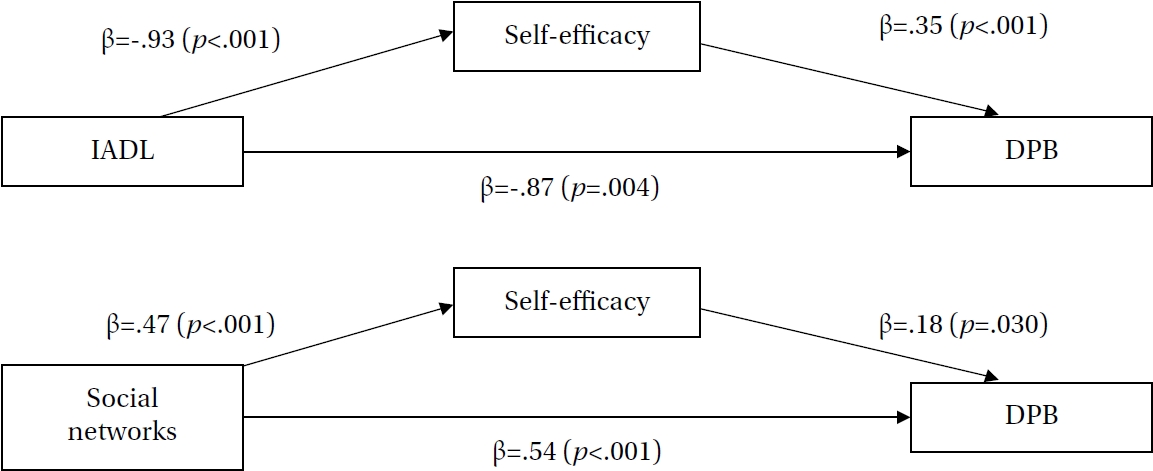
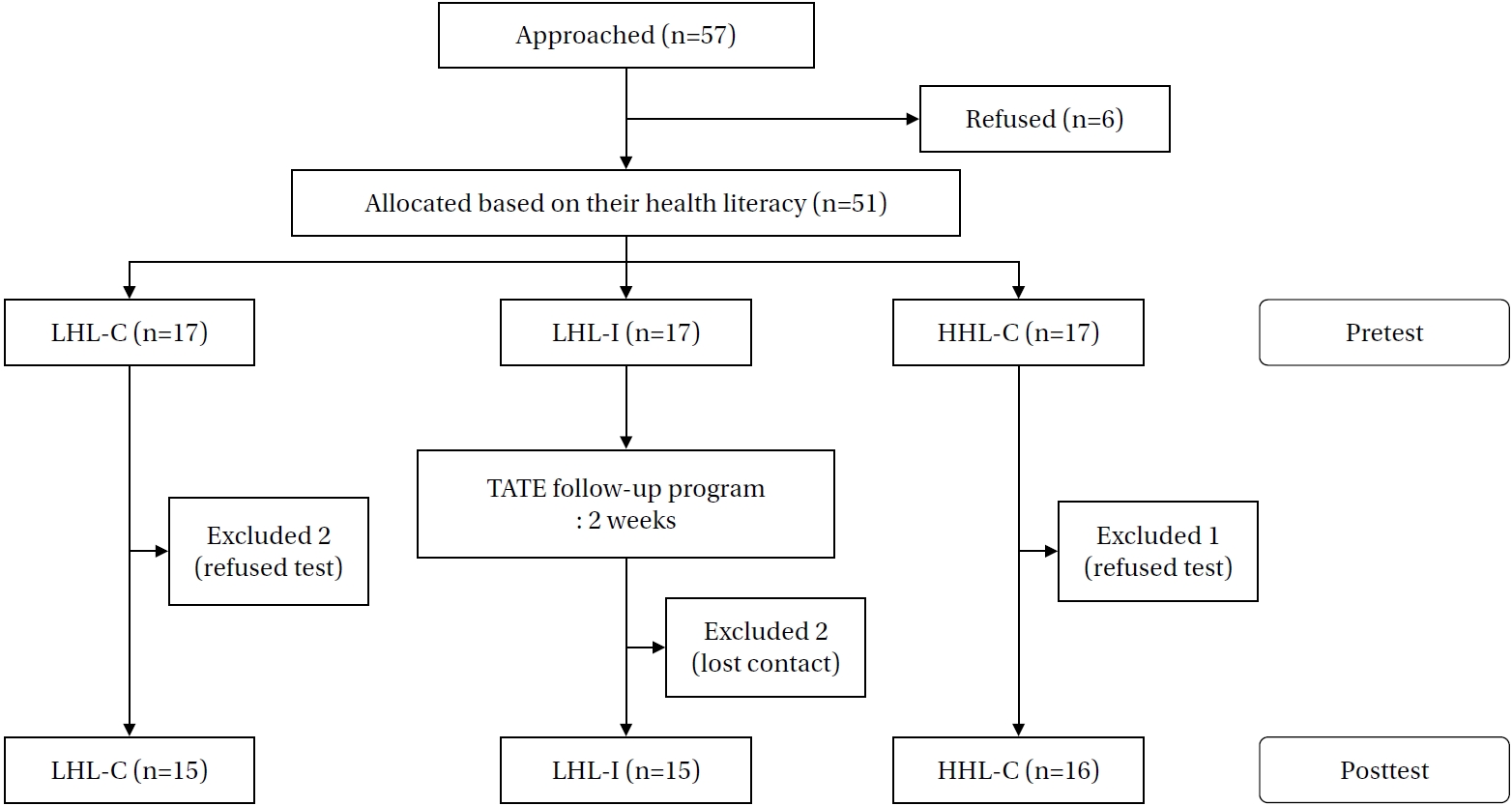
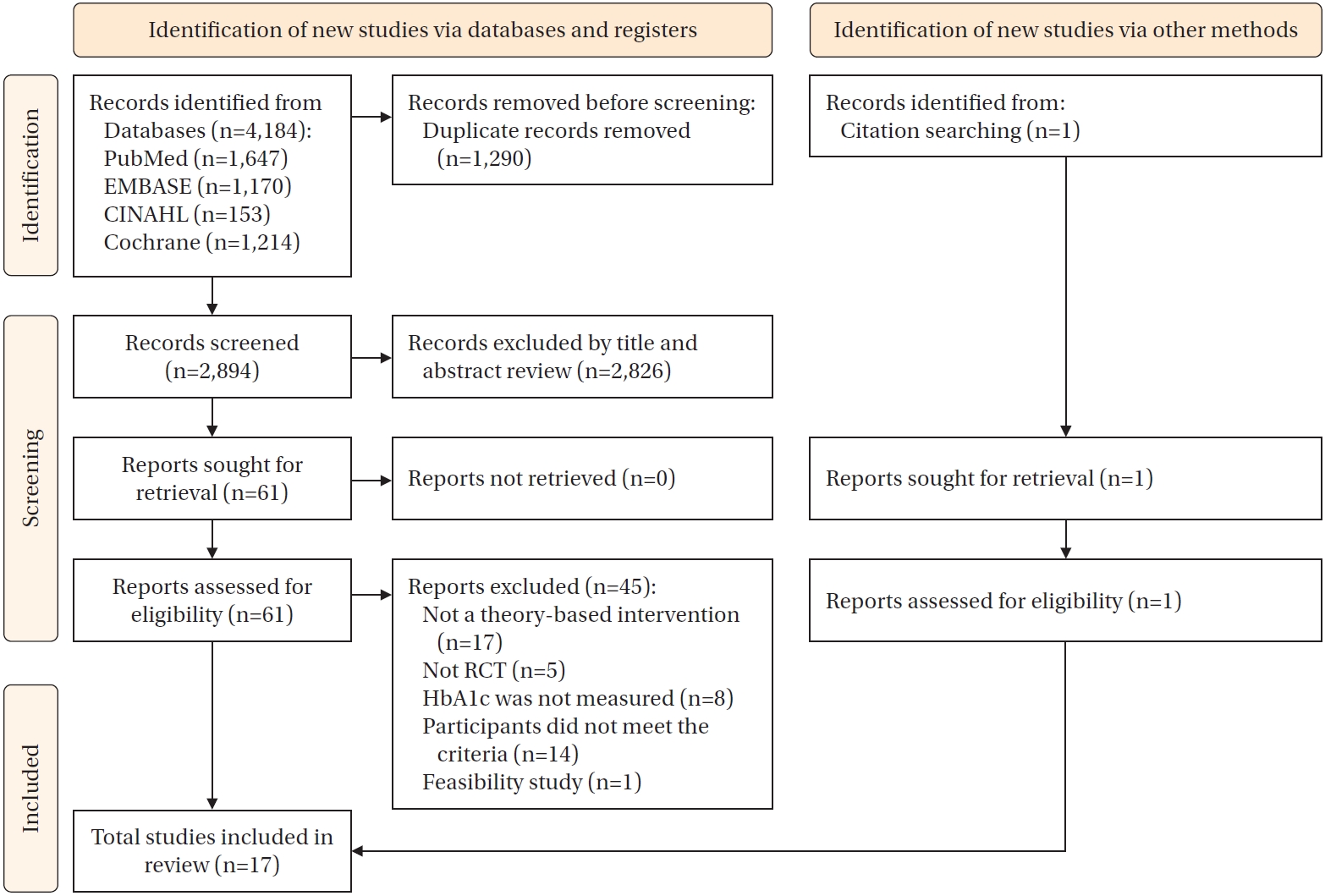
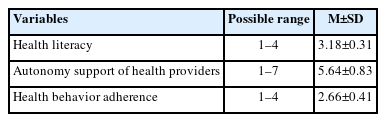

 E-SUBMISSION
 First
First Prev
Prev