Abstract
-
Purpose
This study evaluated the immediate and sustained effects of a clinical decision-making program based on Simon’s decision-making model on medication safety competency among advanced-beginner nurses in intensive care units.
-
Methods
This nonequivalent control group pretest-posttest study used a time-lagged design and included 18 intensive care unit nurses at a tertiary hospital, with 12 assigned to the intervention group and six to the control group. The intervention group participated in a 2-week clinical decision-making program that integrated case-based learning and high-fidelity simulation, whereas the control group received lecture-based education. Clinical decision-making ability, medication safety competency, and safety motivation were measured at baseline and at 2 and 4 weeks after baseline. Near-miss medication error experiences were assessed at baseline and at 4 and 10 weeks. Data were analyzed using the independent t-test, Mann-Whitney U test, and linear mixed models.
-
Results
Clinical decision-making ability (F=3.94, p=.026), medication safety competency (F=4.97, p=.011), safety motivation (F=5.20, p=.009), and near-miss medication error experiences (F=14.28, p<.001) showed significant group-by-time interaction effects, indicating that outcome trajectories differed between the intervention and control groups.
-
Conclusion
These findings suggest that the program may be an educational strategy for strengthening nurses’ clinical decision-making during medication administration and improving medication and patient safety in intensive care unit settings.
-
Key Words: Intensive care units; Decision making; Simulation training; Medication errors; Patient safety
INTRODUCTION
Medication administration based on physicians’ prescriptions is a core nursing responsibility that directly affects patient safety. Nurses also bear legal and professional accountability for safe medication administration under the Medical Service Act in Korea [
1]. The enactment of the Nursing Act in 2024 further strengthened nurses’ accountability for medication safety and underscored their expanded role in patient safety [
1,
2].
Intensive care units (ICUs) are especially vulnerable to medication errors because of rapid patient deterioration, frequent emergencies, high patient acuity, and complex treatment regimens [
3-
5]. Approximately 90% of ICU healthcare professionals have experienced medication errors [
3], and these incidents account for a substantial proportion of patient safety events in Korean ICUs [
5]. These findings highlight the need for nurses to exercise autonomous clinical judgment during high-risk medication administration.
The risk of medication errors is especially pronounced among advanced-beginner nurses, who are in the transitional stage between novice and competent practice in Benner’s developmental model [
6]. Although advanced beginners show increasing technical proficiency, they often lack the experiential knowledge and pattern-recognition skills needed for context-sensitive clinical judgment. This creates a “decision-making gap,” in which clinical responsibility increases more rapidly than experiential expertise [
6,
7]. Nurses with 1–3 years of clinical experience have substantial difficulty managing complex medications in ICUs [
8,
9], indicating that advanced-beginner ICU nurses are a high-risk and educationally vulnerable population that requires targeted medication error-prevention interventions.
Medication administration in ICUs often occurs under time pressure and uncertainty [
3-
5], and more than half of ICU medication prescriptions contain errors [
10]. Although these environmental conditions cannot be directly modified through educational interventions, approximately 93% of these errors are preventable through accurate nursing judgment and timely intervention [
10]. Strengthening nurses’ clinical decision-making is therefore essential for promoting safe medication administration in complex ICU settings [
3-
5,
10]. However, few studies have examined programs designed to support novice nurses’ clinical decision-making during complex medication administration in ICUs [
7-
9]. Simon’s model conceptualizes decision-making as an iterative cycle of intelligence, design, and choice under conditions of bounded rationality and explains how rapid decisions are made in complex environments [
11]. In this model, the intelligence, design, and choice stages guide nurses in recognizing medication-related risks, evaluating management alternatives, and selecting the safest course of action; together, these stages provide a structured framework for medication-related clinical decision-making in ICU settings [
11-
13]. Applying Simon’s model improved patient safety competencies among nursing students [
12]. More recently, a standalone simulation-based program developed using Simon’s model improved medication error-recovery performance among ICU nurses with at least 12 months of clinical experience [
13]. However, the effectiveness of a sequential clinical decision-making program for improving medication safety competency among advanced-beginner ICU nurses remains unclear. The present study therefore evaluated the effects of such a program.
Medication safety competency is a key factor in preventing and reducing medication errors [
14], including near-miss events [
15]. Near-miss medication errors, defined as errors detected before they cause harm to patients, are important indicators of patient safety in the medication process and reflect behavioral aspects of medication safety performance in clinical settings [
15,
16]. Clinical decision-making ability is a major predictor of medication safety competency and safe medication practices [
17,
18]. Safety motivation is also important because it helps determine whether nurses consistently translate their competencies into actual safety behaviors in clinical settings [
19]. According to Neal and Griffin [
19], safety motivation reflects individuals’ willingness to exert effort to perform work safely and is an important antecedent of safety behavior. Nurses’ motivation and judgmental performance abilities are interrelated and influence the outcomes of their actions in clinical settings [
20].
Educational strategies such as case-based learning (CBL) [
12,
21] and simulation-based training [
13,
22,
23] are widely used to enhance clinical decision-making and medication safety competencies in nursing education. However, because learners in CBL primarily analyze clinical scenarios without directly performing clinical actions, CBL may have limitations in developing the practical performance skills required in complex clinical environments [
12]. In contrast, simulation-based training supports both cognitive and experiential learning by enabling nurses to practice clinical decision-making [
13,
21] and medication administration in realistic clinical situations [
13,
22,
23]. Although simulation-based training improves patient safety-related outcomes, experiential training alone may not always ensure sustained learning outcomes [
22,
23]. Integrating analytic and experiential learning approaches may therefore provide a more comprehensive strategy for improving medication safety competency in nursing practice [
21]. Few studies have examined whether a clinical decision-making process that integrates CBL and simulation leads to sustained behavioral changes in medication safety performance among ICU nurses.
Existing studies of educational interventions for clinical decision-making or medication safety have primarily focused on immediate outcomes [
22,
23] or short-term follow-up assessments of approximately 4 weeks after the intervention [
12]. Therefore, the sustained effects of a clinical decision-making program integrating CBL and simulation should be evaluated, particularly through longer-term follow-up of behavioral outcomes, such as near-miss medication error experiences, over 10 weeks.
This study evaluated the immediate and sustained effects of a clinical decision-making program developed to enhance medication safety competency among advanced-beginner nurses in ICUs.
We hypothesized that (H1) participants in the intervention group would show greater improvements over time in clinical decision-making ability, medication safety competency, and safety motivation than participants in the control group and (H2) participants in the intervention group would show greater reductions over time in near-miss medication error experiences than participants in the control group.
METHODS
1. Study Design
This study used a nonequivalent control group pretest–posttest design with a time-lagged structure to evaluate the effectiveness of a clinical decision-making program intended to enhance medication safety competency and safety motivation and reduce near-miss medication error experiences. The time-lagged design was selected because participants were recruited from the same ICU setting, where interaction among nurses could have increased the risk of contamination through informal sharing of educational content and experiences. A time-lagged approach has been used in quasi-experimental intervention studies when individual randomization carries a substantial risk of spillover and contamination between study groups [
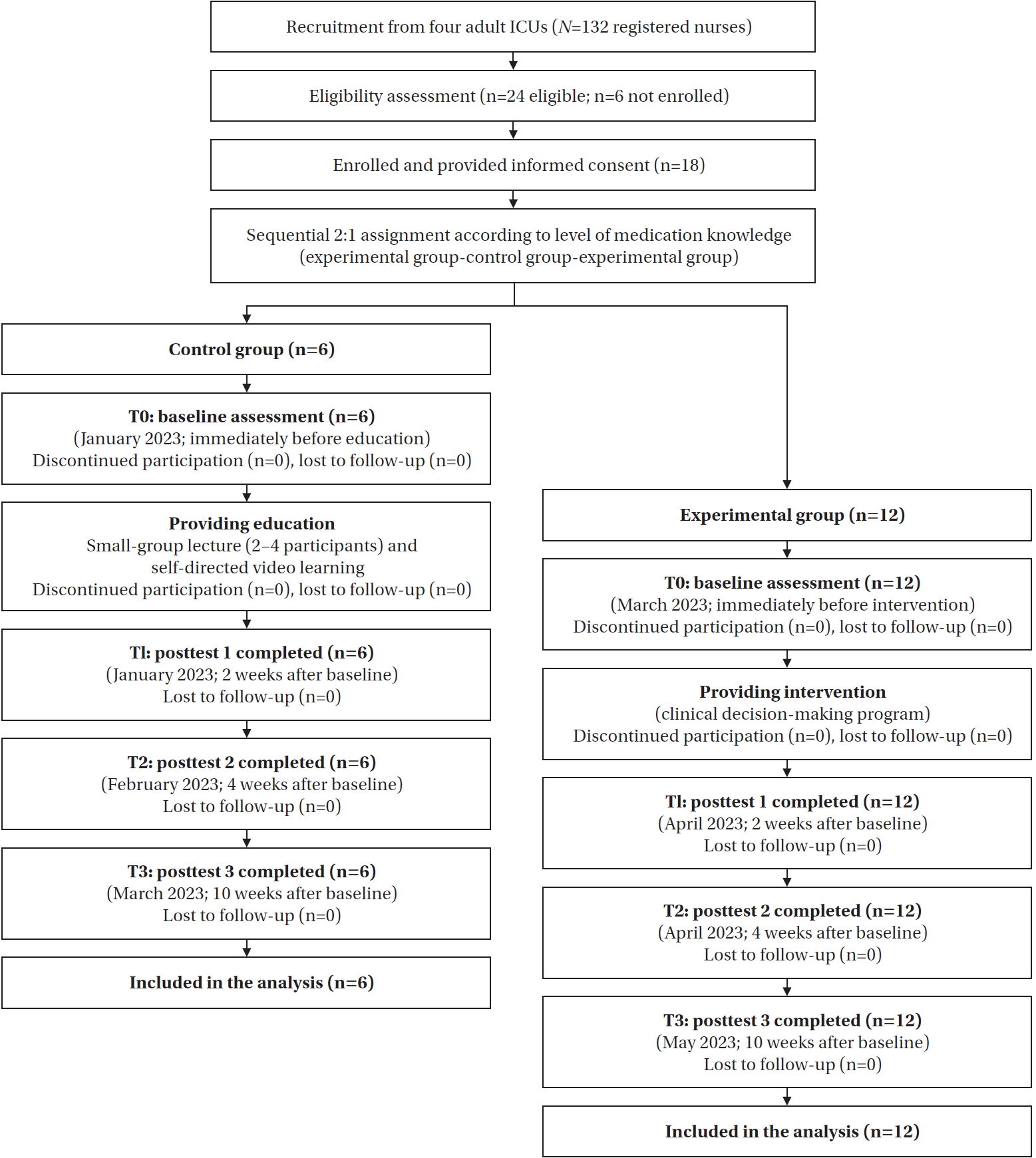
24]. The study was reported in accordance with the Transparent Reporting of Evaluations with Nonrandomized Designs (TREND) guidelines, and the study flow is shown in
Figure 1.
Participants were recruited from the medical, surgical, emergency, and neurosurgical ICUs of a 930-bed tertiary general hospital in Gangwon-do between January and May 2023. Although the hospital operated five adult ICUs, one unit was unavailable for recruitment because of operational circumstances, including unit management and staff reallocation during the study period. Eligible participants were registered nurses classified as advanced beginners who had more than 12 months and less than 36 months of clinical experience. Neonatal ICU nurses and nurses concurrently participating in other patient safety education programs were excluded. Across the four participating ICUs, 132 registered nurses were employed, of whom 24 met the eligibility criteria. Eighteen eligible nurses provided consent and were included in the study. This study was conducted at the same tertiary hospital as the subsequently published study [
13]; however, the two studies were conducted during different periods and recruited different participant groups. Consequently, no participant was enrolled in both studies.
The sample size was calculated using G*Power 3.1.9.2 for an ANOVA with repeated measures, within-between interaction. Assuming a ne ffect size f of 0.40, an α level of .05, a power of 0.95, two groups, three repeated measurements, and a correlation of .50 among repeated measures, the required sample size was 18. The effect size was based on a previous simulation-based in tervention study [
22], which used a large effect size of f=.40 for its a priori sample size calculation. Because the sample size calculation assumed equal group allocation and a repeated measures ANOVA, whereas the study used a 2:1 allocation ratio and a covariate-adjusted linear mixed model (LMM), the actual statistical power may have been lower than the planned power. After providing informed consent, participants completed a medication knowledge assessment developed by Kim and Jung [
25] solely for group allocation. Participants were then ranked by score and assigned sequentially in a 2:1 pattern (experimental-control-experimental) to balance medication knowledge between the two groups (
Figure 1). The 2:1 allocation ratio was adopted to maximize participants’ opportunity to receive the educational intervention while maintaining a comparison group. Medication knowledge was assessed after informed consent and before implementation of the time-lagged study design, solely for group allocation. Baseline outcome assessments (T0), including clinical decision-making ability, medication safety competency, safety motivation, and near-miss medication error experiences, were conducted immediately before the educational intervention in each group. Therefore, in the intervention group, T0 was performed approximately 10 weeks after medication knowledge assessment and group allocation because of the time-lagged design. Baseline medication knowledge scores did not differ significantly between the experimental and control groups (14.75±1.66 vs. 14.17±1.94, t=0.67,
p=.515).
1) General characteristics
General characteristics, including age, sex, and educational level, were collected using a questionnaire.
2) Clinical decision-making ability
Clinical decision-making ability was measured using a tool modified and reconstructed by Baek [
26] from an instrument developed by Jenkins [
27]. The tool includes 40 items scored on a 5-point Likert scale, ranging from 1 (“strongly disagree”) to 5 (“strongly agree”). Higher scores indicate greater clinical decision-making ability. Cronbach’s α was .83 during instrument development [
27] and .94 in this study. Permission to use the modified instrument was obtained from Baek [
26].
3) Medication safety competency
Medication safety competency was measured using the Medication Safety Competence Scale developed by Park and Seomun [
14]. The tool includes 36 items scored on a 5-point Likert scale, ranging from 1 (“strongly disagree”) to 5 (“strongly agree”). Higher scores indicate greater medication safety competency. Cronbach’s α was .96 during instrument development [
14] and .98 in this study. Permission to use the instrument was obtained from Park [
14].
4) Safety motivation
Safety motivation was measured using a tool adapted from Chung [
28]. The tool includes six items rated on a 5-point Likert scale, ranging from 1 (“strongly disagree”) to 5 (“strongly agree”). Higher scores indicate greater safety motivation. Cronbach’s α was .78 in the study by Chung [
28] and .73 in this study. Permission to use the instrument was obtained from Chung [
28].
5) Near-miss medication error experiences
Near-miss medication error experiences were assessed using items developed by Park and Lee [
16] to measure the number of near-miss medication errors experienced during the previous 2 weeks. The instrument includes six items, with higher values indicating more frequent near-miss medication errors. For each item, participants reported 0, 1, 2, 3, or 4 occurrences during the previous 2 weeks; when five or more occurrences were experienced, the actual number of occurrences was recorded. The total score was calculated by summing the frequencies reported across the six items and ranged from 0 to no predefined upper limit. Internal consistency was not calculated because the items represented frequency counts of distinct types of near-miss medication errors rather than reflective indicators of a single latent construct. Permission to use the instrument was obtained from Park [
16].
1) Clinical decision-making program development process
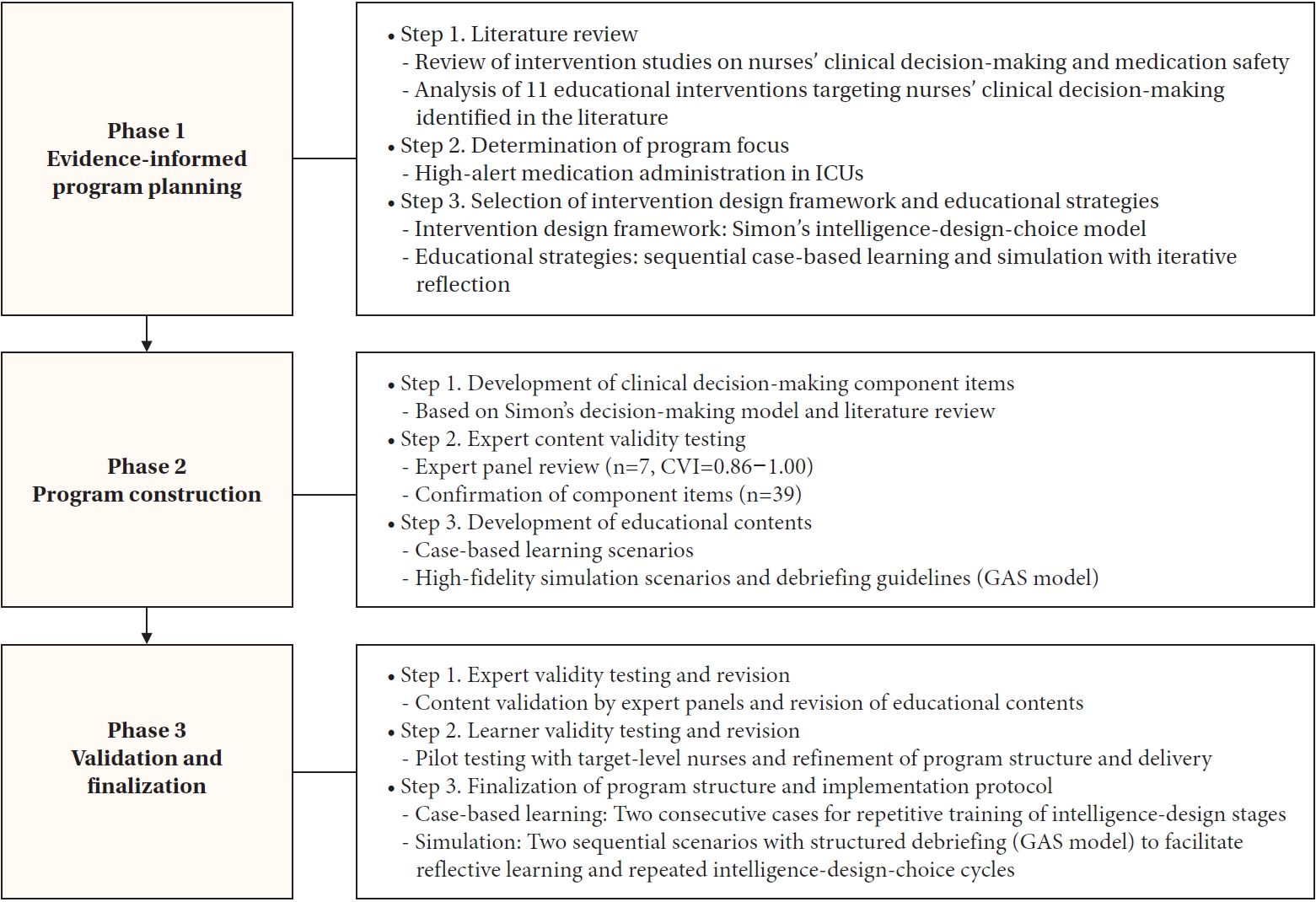
The clinical decision-making program was developed in three sequential phases related to the ICU medication process (
Figure 2).
Phase 1, evidence-informed program planning, focused on identifying relevant evidence and determining key design elements for the program. A literature review was conducted to identify strategies for enhancing medication safety competencies and preventing medication errors among ICU nurses. Eleven relevant intervention and theoretical studies were reviewed using the keywords “clinical decision-making,” “clinical judgment,” and “critical thinking,” supplemented by manual searches for intervention studies. On the basis of this review and a synthesis of prior intervention studies and decision-making frameworks identified in the literature, three core elements were finalized: (1) program focus, (2) an intervention design framework based on Simon’s decision-making model, and (3) educational strategies to guide the structure of program content and learning activities. The program focus was defined as high-alert medication administration in ICUs, where medication errors are most likely to cause severe patient harm. The intervention design was based on Simon’s decision-making model [
11,
12]. Sequential CBL and simulation with iterative reflection were selected as educational strategies because evidence supports active, contextualized learning in medication-related clinical decision-making [
11,
12,
21].
Phase 2, program construction, involved developing the core components and educational content of the intervention. Using Simon’s decision-making model [
11], clinical decision-making component items for high-alert medication administration in ICUs were developed for each stage of the model—intelligence, design, and choice—to structure the program content. These component items were designed for direct application in CBL and simulation scenarios and included real-world high-risk cases, such as fatal events resulting from undiluted potassium chloride administration [
29]. Content validity was evaluated by seven experts: three nursing professors, one medical school professor, and three ICU nurse managers. This process yielded 39 validated items: 13 intelligence items, 12 design items, and 14 choice items, with content validity index values of 0.86–1.00.
The program’s educational format was organized around the validated component items. The core educational strategies were CBL and simulation, both of which were designed to apply the intelligence–design–choice cycle in realistic medication situations. The CBL sessions, consisting of two 45-minute cases, were structured as consecutive cases to provide repeated training in the intelligence and design stages using root cause analysis (RCA) techniques [
30], including flowcharting, the 5-why method, fishbone diagrams, and brainstorming.
After the CBL sessions, simulation-based training was designed to support the application of decision-making in complex clinical situations [
21]. The training consisted of two sequential high-fidelity simulation sessions, each lasting 90 minutes, that focused on high-alert medication administration in ICU settings [
23,
29]. The simulation scenarios addressed critical cases, including potassium chloride administration and insulin administration in patients with hypotension. The first scenario involved managing a single patient to facilitate focused clinical decision-making, whereas the second involved managing two patients to increase task complexity and simulate competing clinical priorities [
31]. These scenarios were intended to promote progressively higher levels of clinical decision-making under conditions of competing priorities and increased task complexity. Together, the components formed a sequentially integrated intervention linking analytic learning through CBL with experiential learning through simulation.
Phase 3, validation and finalization, involved expert review and learner feasibility testing of the developed program. After iterative modifications based on expert and learner feedback, the final structure, educational sequence, and implementation protocol for the clinical decision-making intervention were determined.
2) Program implementation and data collection procedure
Data collection and the intervention were conducted from January to May 2023 at the training and simulation center of a tertiary general hospital. The study used a nonequivalent control group pretest–posttest design with a time-lagged approach, in which baseline assessments (T0) and subsequent outcome measurements for the experimental group were conducted only after data collection for the control group had been completed. This approach was used to minimize contamination and diffusion effects between groups (
Figure 1) [
24].
The intervention was delivered by one trained research provider with ICU clinical experience and simulation-based teaching experience. Trained ICU nurses who were not involved in delivering the intervention collected the data. A single-blind procedure was used, in which only the data collectors remained unaware of group assignment until data collection was completed. To ensure consistency and minimize contamination, the same provider delivered all educational sessions using standardized protocols, and participants were instructed not to share intervention materials until study completion.
Outcome measures were assessed at predefined time points in both groups. Clinical decision-making ability, medication safety competency, and safety motivation were measured at T0, 2 weeks after baseline (T1), and 4 weeks after baseline (T2) in both the experimental and control groups. Near-miss medication error experiences were measured at T0, 4 weeks after baseline (T2), and 10 weeks after baseline (T3) in both groups because the instrument’s reference period was “the past 2 weeks,” which could not be satisfied at T1 [
16]. The 10-week follow-up assessment was selected to extend the follow-up period beyond the 4-week assessment used in previous educational intervention studies [
12] and to allow sufficient time for improvements in clinical decision-making ability, medication safety competency, and safety motivation to translate into behavioral changes, such as reduced near-miss medication error experiences [
32].
(1) Experimental group
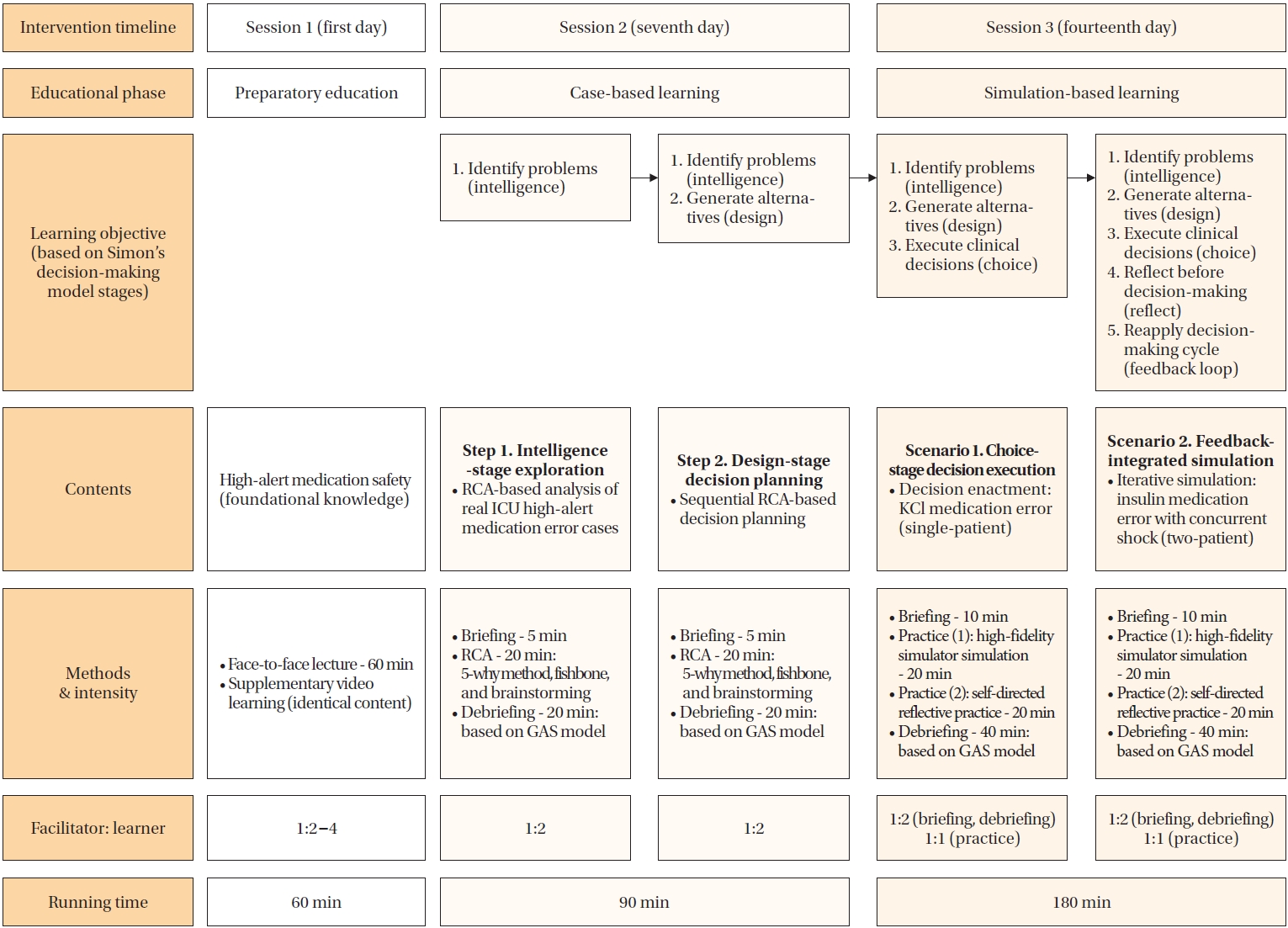
The clinical decision-making program consisted of three sequential sessions delivered at weekly intervals over 2 weeks: preparatory education on day 1, CBL on day 7, and simulation training on day 14.
On day 1, immediately after baseline assessment (T0), participants received preparatory education consisting of a 60-minute face-to-face lecture and supplementary self-directed video materials. These materials reinforced the same content and established foundational knowledge of high-alert medication safety. Face-to-face lectures were conducted in small groups of two to four participants, and identical video materials were provided for self-directed learning to ensure consistent instruction.
On day 7, 7 days after baseline, participants attended a 90-minute CBL session involving two consecutive high-alert medication error cases. During this session, participants applied RCA techniques [
30] to support the intelligence and design stages of Simon’s decision-making cycle. CBL sessions were conducted in pairs, with two participants per session, to facilitate interactive discussion and collaborative problem-solving. This format allowed participants to articulate their reasoning processes, compare perspectives, and jointly construct clinical decisions.
On day 14, 7 days after the CBL session, participants completed a 180-minute simulation program consisting of two high-fidelity simulation scenarios. Each scenario included prebriefing, scenario execution, and structured debriefing. The first scenario involved potassium chloride administration, and the second involved insulin administration in a two-patient scenario that included a patient with hypotension, thereby introducing competing clinical priorities and increasing task complexity [
31]. Simulation scenarios were conducted individually so that participants could engage in clinical decision-making and execute actions without external influence, whereas debriefing sessions were conducted in pairs to facilitate reflective learning through shared experience and feedback [
33]. Structured debriefing was conducted after the first simulation scenario, and participants applied the feedback from that debriefing to the subsequent scenario. This process enabled iterative reflection and reapplication of the decision-making cycle across scenarios. Debriefing followed the Gather-Analyze-Summarize (GAS) model [
33], which facilitated reflective learning and iterative application of the intelligence–design–choice decision-making cycle (
Figure 3). To ensure intervention fidelity, all intervention sessions were delivered by the same researcher using standardized educational materials, CBL scenarios, simulation scenarios, and structured GAS-based debriefing. In addition, the intervention sessions followed a standardized protocol with a consistent sequence, content, and duration.
(2) Control group
Participants in the control group completed the baseline assessment (T0), followed by a 60-minute face-to-face lecture on clinical decision-making for medication safety. The lecture was delivered to small groups of two to four participants and was accompanied by a structured discussion using high-alert medication error cases and self-directed video materials on applying clinical decision-making during the medication process. However, participants in the control group did not participate in the subsequent CBL or simulation sessions that comprised the full clinical decision-making program.
5. Ethical Considerations
The institutional review board of Yonsei University Wonju Severance Christian Hospital approved the data collection process before the start of the study (Date of approval: 2022/08/24, No. CR322077), and the study was registered with Clinical Research Information Service (CRIS; KCT0009692). Written informed consent was obtained from all participants. Participants were informed of the study purpose, procedures, potential risks and benefits, right to voluntary withdrawal, and measures for ensuring anonymity and confidentiality. Data were collected and stored securely. Paper-based records will be destroyed after 3 years in accordance with the Institutional Review Board-approved data retention policy.
6. Data Analysis
Data were analyzed using IBM SPSS Statistics version 30.0 (IBM Corp., Armonk, NY, USA). Normality was assessed using the Shapiro-Wilk test. Homogeneity was assessed using the χ
2 test and Fisher’s exact test for categorical variables, and the independent t-test or Mann-Whitney U test was used for continuous variables according to the results of normality testing. Differences over time between the experimental and control groups were analyzed using an LMM, with group, time, and group-by-time interaction specified as fixed effects. The LMM was considered appropriate because it accommodates correlated repeated measurements, missing observations, and unbalanced longitudinal data and allows flexible specification of the covariance structure [
34]. A participant-level random intercept was specified to account for between-participant variability, and a first-order autoregressive (AR[1]) covariance structure was used for repeated measurements because correlations were expected to decrease as the time interval between measurements increased. Fixed effects were tested using F-statistics based on restricted maximum likelihood estimation, and denominator degrees of freedom were calculated using the Satterthwaite approximation. There were no participant dropouts or missing outcome data; therefore, no imputation was performed. Clinical experience was included as a covariate because it differed significantly between groups at baseline. Age was not included because it did not differ significantly between groups and was likely to be closely related to clinical experience. The significance level was set at
p<.05.
RESULTS
1. Homogeneity of General Characteristics and Baseline Characteristics between the Two Groups
The homogeneity tests for general characteristics and baseline variables showed no statistically significant differences between the experimental and control groups, except in clinical experience in the current department. Clinical experience differed significantly between groups (Z=−2.12,
p=.034), with the control group having longer clinical experience than the experimental group (28.67±4.27 months vs. 22.58±5.87 months) (
Table 1).
The LMM hypothesis-testing results are presented in
Table 2. Because clinical experience differed significantly between groups at baseline, it was included as a covariate in the LMM analysis (Z=−2.12,
p=.034). Significant group-by-time interaction effects were observed for clinical decision-making ability (F=3.94,
p=.026), medication safety competency (F= 4.97,
p=.011), safety motivation (F=5.20,
p=.009), and near-miss medication error experiences (F=14.28,
p<.001). At the 4-week assessment, the estimated marginal mean differences between the intervention and control groups were 18.33 (95% confidence interval [CI], 4.59 to 32.07) for clinical decision-making ability, 27.68 (95% CI, 14.29 to 41.07) for medication safety competency, and 5.98 (95% CI, 3.71 to 8.25) for safety motivation. At the 10-week assessment, the estimated marginal mean difference for near-miss medication error experiences was −6.24 (95% CI, −8.52 to −3.96), favoring the intervention group.
DISCUSSION
This study showed that a clinical decision-making program integrating CBL and simulation was associated with more favorable changes over time in clinical decision-making ability, perceived medication safety competency, safety motivation, and self-reported near-miss medication error experiences among advanced-beginner nurses. Because clinical decision-making is a key determinant of medication safety competency [
17], the program may be an educational strategy for strengthening both clinical decision-making ability and medication safety competency in this population. These improvements may ultimately contribute to medication error prevention in ICU settings and thereby benefit patients.
The significant improvement in clinical decision-making ability observed in the intervention group suggests that the program enhanced nurses’ capacity to identify medication-related problems, generate appropriate alternatives, and select safe actions in complex ICU situations. This effect may be attributable to the program’s deliberate focus on advanced-beginner nurses, who often face increasing clinical responsibility despite limited experiential knowledge [
18]. Unlike a subsequently published Simon model-based program that primarily emphasized repeated simulation practice and feedback to improve medication error-recovery performance among ICU nurses with at least 12 months of clinical experience [
13], the present program used a sequential educational approach tailored to advanced-beginner nurses. Specifically, CBL was designed to strengthen the intelligence and design stages of Simon’s decision-making cycle, whereas simulation integrated the intelligence, design, and choice stages in realistic medication administration scenarios. By structuring learning activities around Simon’s intelligence–design–choice cycle [
11], the program supported the systematic organization of clinical information and a structured approach to medication-related decision-making. Unlike conventional medication education, which tends to emphasize procedural knowledge and task performance [
18,
22,
23], this intervention explicitly targeted decision-making processes across the medication administration cycle. Integrating CBL and simulation enabled repeated application of these processes in realistic high-alert medication scenarios, consistent with prior studies showing that structured decision-making education using CBL and simulation enhances nurses’ clinical reasoning in high-risk contexts [
18,
22,
23].
Medication safety competency showed a significant group-by-time interaction effect, indicating that the intervention had both immediate and sustained effects on safe medication practices among advanced-beginner nurses. Despite their limited clinical experience, advanced-beginner nurses are expected to perform appropriate clinical actions while relying on fragmented knowledge [
6,
7]. This mismatch may create a gap between expected and actual performance and increase the risk of medication errors [
8,
9]. Unlike previous educational interventions that often used CBL [
12] or simulation [
13,
22,
23] independently, this study used a sequential learning structure aligned with Simon’s decision-making cycle [
11,
12] and designed for the developmental characteristics of advanced-beginner nurses. In the initial phase, CBL guided participants through RCA of high-alert medication error scenarios [
30], strengthening their analytic reasoning and their ability to identify risks and generate appropriate alternatives during the intelligence and design stages of Simon’s clinical decision-making process [
11-
13,
21]. Simulation then enabled participants to engage actively in decision-making in complex clinical situations [
13,
31], requiring them to recognize risks, make decisions, and execute safe medication practices in real time [
22,
23]. In this way, simulation supported enactment of the choice stage by integrating intelligence and design into actual clinical decision-making performance [
13,
22,
23]. Sequential integration of CBL and simulation within an experiential learning cycle has been proposed from an educational design perspective [
35]. Although previous clinical decision-making training for nurses primarily relied on either CBL or simulation alone [
12,
13,
22,
23], the sequential use of both methods in the present study may have contributed to sustained improvements in medication safety competency. This integration may have helped translate analytic understanding into context-specific clinical actions among advanced-beginner nurses. In addition, compared with prior decision-making education delivered over 4 weeks [
12], the present 2-week program may be clinically feasible while still allowing repeated application of analytic and experiential learning.
The clinical decision-making program significantly enhanced safety motivation, suggesting that the intervention influenced not only competency development but also the motivational processes underlying safe medication behaviors. Safety motivation may be strengthened when learners perceive the personal relevance and potential consequences of clinical risks [
19,
20]. In the present study, CBL using real high-alert medication error scenarios, including fatal potassium chloride administration events [
29], likely increased the salience of medication-related risk and professional responsibility by exposing participants to realistic, consequential clinical situations. This exposure may have strengthened safety motivation [
12,
19,
20]. Simulation sessions further required participants to perform clinical decision-making and medication administration tasks actively, followed by structured reflective debriefing based on the GAS model. This process may have promoted deeper reflection on performance outcomes and reinforced accountability for safe practice [
31,
33]. Experiential learning focused on high-risk medication administration decisions likely increased learners’ sense of responsibility for medication safety [
19] and further strengthened their motivation to practice safely.
The program also resulted in a significant reduction in self-reported near-miss medication error experiences. Although this finding suggests positive changes in participants’ perceived medication safety practices, it should not be interpreted as direct evidence of objectively improved clinical performance because the outcome was assessed by self-report. Near-miss medication error experiences are meaningful indicators of perceived medication safety practices [
15,
16], and reductions in self-reported near-miss experiences may indicate that participants perceived greater use of decision-making strategies during medication administration. Unlike medication safety competency and safety motivation, which may respond more immediately to educational interventions, behavioral outcomes tend to emerge more gradually as newly acquired knowledge and motivation are integrated into clinical practice [
19]. In this study, the delayed reduction observed at the 10-week follow-up may reflect reinforcement and consolidation of decision-making strategies through repeated application in clinical settings [
32]. Although previous studies have reported short-term follow-up outcomes, such as outcomes at 4 weeks [
12], or have primarily focused on immediate post-intervention effects [
22,
23], the extended 10-week follow-up in the present study allowed delayed behavioral changes to be detected. This supports the interpretation that integrated decision-making education may contribute to sustained improvements in perceived medication safety practices, although future studies using objective performance measures are needed to determine whether these changes translate into actual clinical performance. The use of a time-lagged design, together with a 2-week recall window for near-miss measurements, supports the interpretation that the observed self-reported changes were maintained over time rather than reflecting only immediate post-intervention responses [
16]. Self-reported near-miss medication error experiences increased in the control group at the final follow-up. Because these data were self-reported, this finding may reflect increased awareness of, or willingness to report, near-miss medication error experiences over time rather than an actual increase in medication errors.
More broadly, the significant group-by-time interaction effects reflected different outcome trajectories between the intervention and control groups, with changes occurring in both groups rather than only in the intervention group. The declines in clinical decision-making ability and safety motivation observed in the control group may also have contributed to the interaction effects. Because the groups were recruited sequentially, temporal changes in workload, staffing, the clinical environment, or other organizational factors may have influenced these trajectories independently of the intervention.
These findings support the value of a Simon model-based clinical decision-making education program that integrates CBL and simulation to promote safe medication practices among advanced-beginner ICU nurses. Rather than focusing only on procedural skills, the intervention showed how structured decision-making training aligned with learners’ developmental needs could support the transition from knowledge acquisition to safe clinical performance [
6,
7]. The program may therefore be a practical educational approach for improving clinical decision-making ability and medication safety competency among advanced-beginner ICU nurses. Given nurses’ legal and professional accountability for safe medication administration [
1,
2] and the high prevalence of medication-related patient safety risks in ICU settings [
3-
5], incorporating developmentally tailored decision-making education into in-service training programs may be a practical strategy for strengthening patient safety practices in critical care environments.
This study has several limitations. First, it was conducted in a single tertiary hospital with a small sample size, which limits generalizability. The small sample size reflected the limited number of eligible advanced-beginner ICU nurses available during the recruitment period. In addition, the 2:1 allocation ratio resulted in a small control group, which may have reduced statistical precision; therefore, the findings should be interpreted with caution. The intervention and control groups also differed substantially in total educational exposure time (330 vs. 60 minutes); therefore, the observed effects cannot be attributed solely to the sequential CBL–simulation structure and may partly reflect differences in educational exposure time. Because multiple outcome variables were evaluated, the possibility of increased Type I error should also be considered. Although data collectors were blinded to group assignment, blinding of the intervention provider and participants was not feasible. In addition, because the intervention was delivered by a single researcher, researcher allegiance or implementation bias may have influenced intervention delivery despite the use of standardized educational materials and procedures. The observed improvements should therefore be interpreted as perceived rather than objectively demonstrated changes, and reductions in self-reported near-miss medication error experiences may reflect increased awareness of, or willingness to report, near-miss events rather than actual reductions in medication errors. Future studies should incorporate objective indicators, such as electronic medical records or incident reporting data. Although a time-lagged design was used to minimize contamination and diffusion between groups, sequential recruitment may have introduced temporal bias because changes in the clinical environment over time could have influenced outcomes independently of the intervention. In addition, because randomization was not feasible, causal inferences should be made with caution. Despite these limitations, this study contributes to the literature by demonstrating improvements in decision-making-related competencies and measurable reductions in near-miss medication error experiences as indicators of behavioral change in medication safety practice.
CONCLUSION
In this study, a clinical decision-making program integrating CBL and simulation based on Simon’s model was associated with more favorable outcome trajectories over time in clinical decision-making ability, perceived medication safety competency, safety motivation, and self-reported near-miss medication error experiences than those observed in the control group. These findings suggest that the program may be an educational strategy for supporting clinical decision-making during medication administration and improving medication and patient safety in ICU settings. Future studies should replicate these findings using larger and more diverse samples to enhance generalizability. Further research is also needed to examine the long-term effects of this program. Future studies should incorporate objective indicators, such as electronic medical records or incident reporting data, to evaluate the impact of decision-making-based educational interventions on medication safety and error reduction more accurately.
-
CONFLICTS OF INTEREST
The authors declared no conflict of interest.
-
AUTHORSHIP
Study conception and design - SYP and HKH; data collection - SYP; analysis - SYP; interpretation of the data - SYP and HKH; and drafting or critical revision of the manuscript for important intellectual content - SYP and HKH.
-
FUNDING
None.
-
ACKNOWLEDGEMENT
This article is based on a part of the first author's doctoral dissertation from Yonsei University.
-
DATA AVAILABILITY STATEMENT
The data can be obtained from the corresponding author.
Figure 1.
Study design, participant flow, and data collection timeline.
T0=pretest (clinical decision-making ability, medication safety competency, safety motivation, near-miss medication error experiences); T1=posttest 1 (clinical decision-making ability, medication safety competency, safety motivation); T2=posttest 2 (clinical decision-making ability, medication safety competency, safety motivation, near-miss medication error experiences); T3=posttest 3 (near-miss medication error experiences). Near-miss medication error experiences were assessed only at T0, T2, and T3 because the instrument measured experiences occurring within the preceding 2 weeks. Medication knowledge assessment was conducted before group allocation. Baseline assessment (T0) was performed immediately before the educational intervention in each group; for the intervention group, T0 was conducted approximately 10 weeks after medication knowledge assessment because of the time-lagged study design. ICU=intensive care unit.
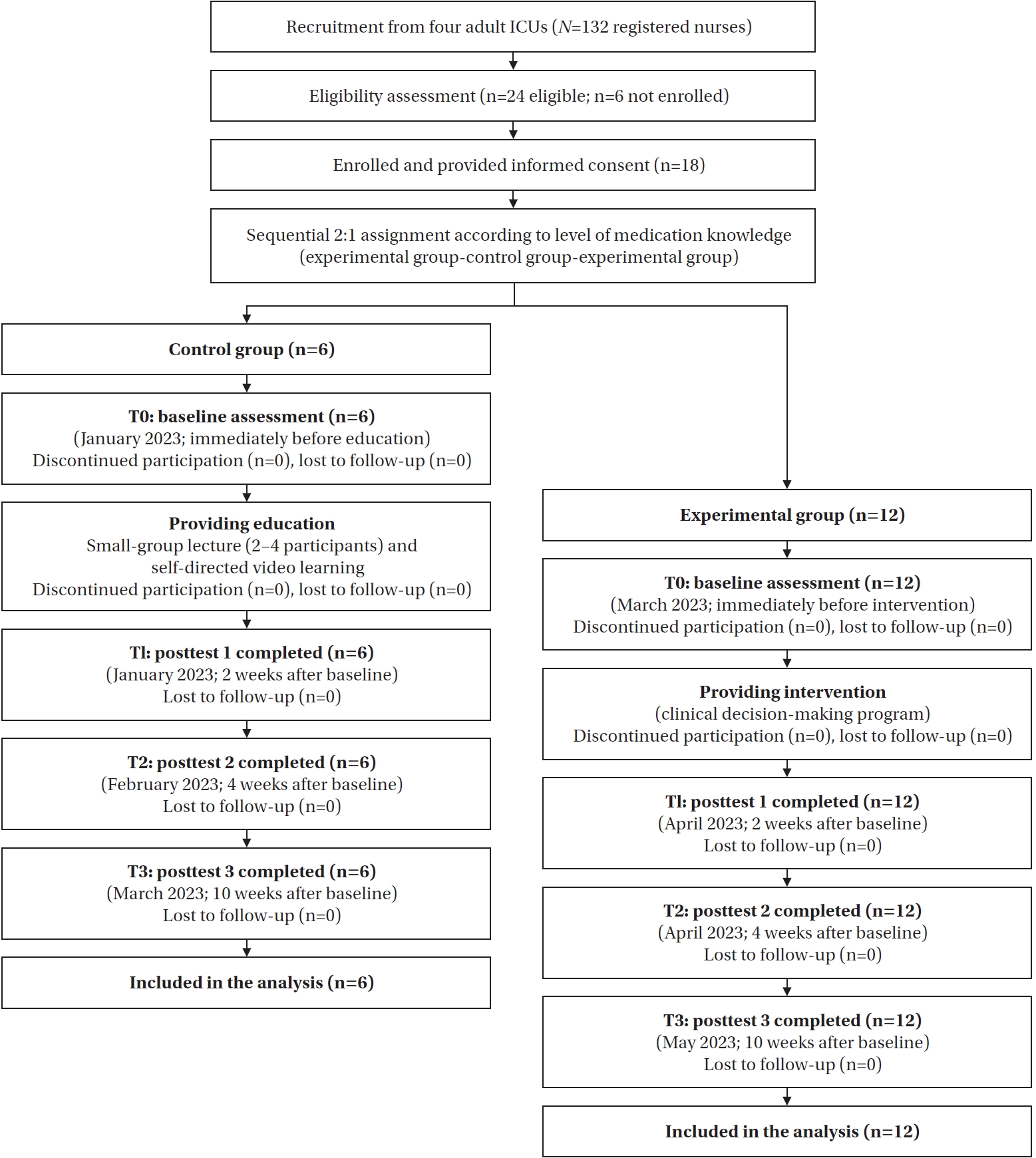
Figure 2.
Development process of the clinical decision-making program.
CVI=content validity index; GAS=Gather-Analyze-Summarize; ICU=intensive care unit.
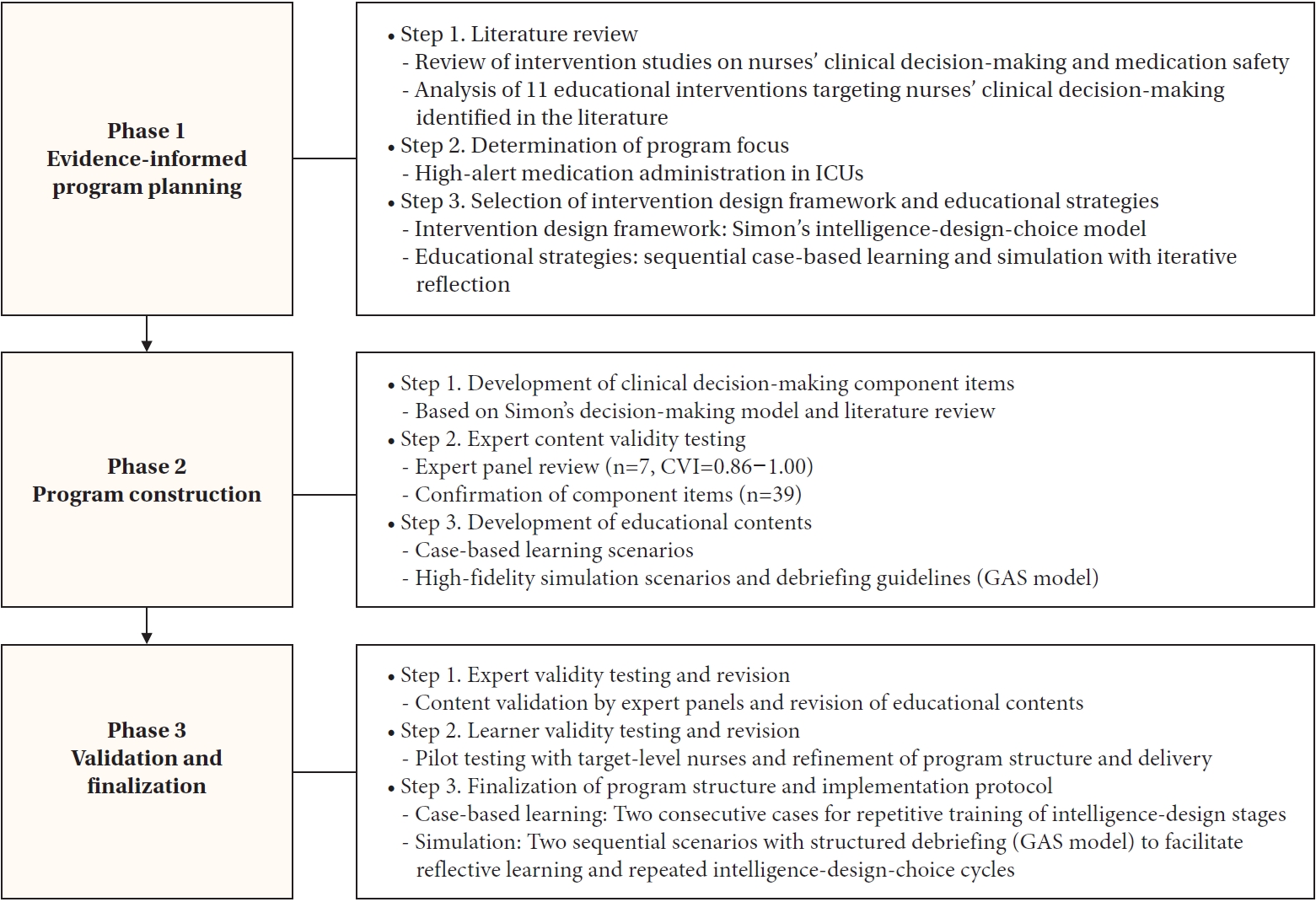
Figure 3.
Structure of the clinical decision-making program.
GAS=Gather-Analyze-Summarize; ICU=intensive care unit; KCl=potassium chloride; RCA=root cause analysis.
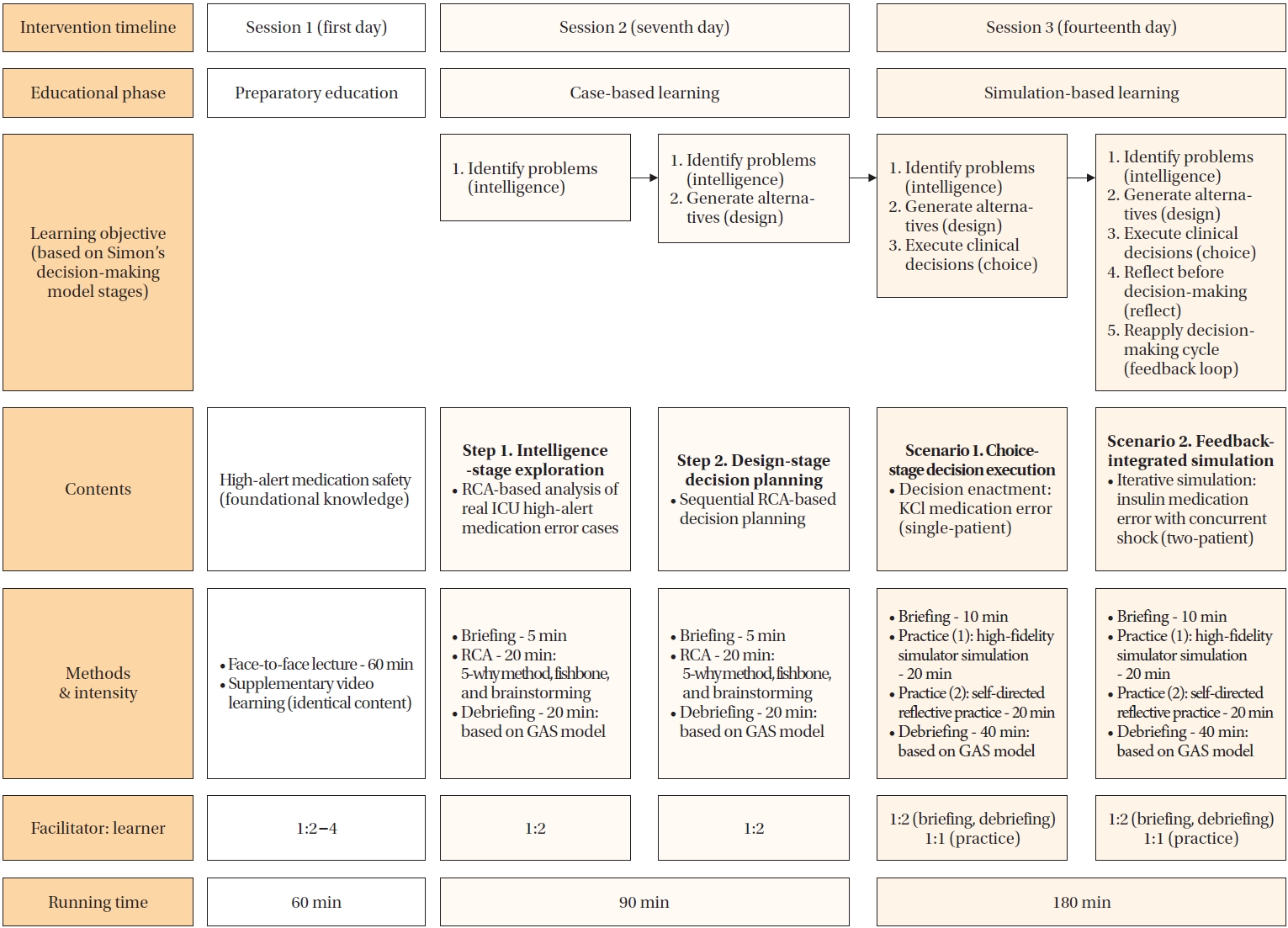
Table 1.Homogeneity of General Characteristics and Baseline Variables between the Two Groups (N=18)
|
Characteristics |
Categories |
Exp (n=12) |
Cont (n=6) |
Test |
|
n (%) or M±SD |
χ²/t/Z |
p
|
|
General characteristics |
|
|
|
|
|
|
Sex |
Male |
4 (33.3) |
3 (50.0) |
- |
.627†
|
|
Female |
8 (66.7) |
3 (50.0) |
|
|
|
Age (year) |
|
25.42±1.51 |
28.17±3.54 |
–1.96‡
|
.050 |
|
Educational level |
Bachelor’s degree |
12 (100.0) |
5 (83.3) |
- |
.333†
|
|
Graduate-level education (master’s or higher) |
0 (0.0) |
1 (16.7) |
|
|
|
Clinical experience (month) |
22.58±5.87 |
28.67±4.27 |
–2.12‡
|
.034 |
|
Homogeneity of baseline variables |
|
|
|
|
|
Clinical decision-making ability |
135.83±8.22 |
136.67±10.60 |
–0.19§
|
.856 |
|
Medication safety competency |
133.67±10.57 |
129.83±11.27 |
–0.94‡
|
.348 |
|
Safety motivation |
21.50±1.93 |
20.83±4.12 |
0.38§
|
.719 |
|
Near-miss medication error experiences |
11.33±2.23 |
12.50±2.88 |
–0.95§
|
.355 |
Table 2.Effects of the Clinical Decision-Making Program on Dependent Variables (N=18)
|
Variables |
Groups |
Pre |
Post 1 (2 weeks) |
Post 2 (4 weeks) |
Post 3 (10 weeks) |
Test |
|
M±SD |
Source |
F |
p
|
|
Clinical decision-making ability |
Exp (n=12) |
135.83±8.22 |
150.33±9.55 |
148.67±12.83 |
- |
Clinical experience |
0.51 |
.478 |
|
G |
8.37 |
.006 |
|
Cont (n=6) |
136.67±10.60 |
127.50±21.57 |
128.83±17.75 |
T |
0.21 |
.810 |
|
G × T |
3.94 |
.026 |
|
Medication safety competency |
Exp (n=12) |
133.67±10.57 |
158.33±5.85 |
155.08±12.96 |
- |
Clinical experience |
0.08 |
.784 |
|
G |
21.80 |
<.001 |
|
Cont (n=6) |
129.83±11.27 |
130.00±12.59 |
126.83±23.11 |
T |
4.15 |
.022 |
|
G × T |
4.97 |
.011 |
|
Safety motivation |
Exp (n=12) |
21.50±1.93 |
24.67±1.83 |
24.83±1.99 |
- |
Clinical experience |
0.00 |
.948 |
|
G |
25.91 |
<.001 |
|
Cont (n=6) |
20.83±4.12 |
21.17±1.47 |
19.00±2.45 |
T |
2.40 |
.102 |
|
G × T |
5.20 |
.009 |
|
Near-miss medication error experiences |
Exp (n=12) |
11.33±2.23 |
- |
9.92±1.00 |
9.25±0.45 |
Clinical experience |
0.82 |
.378 |
|
G |
12.77 |
.003 |
|
Cont (n=6) |
12.50±2.88 |
- |
10.67±2.88 |
15.00±3.52 |
T |
4.12 |
.019 |
|
G × T |
14.28 |
<.001 |
REFERENCES
- 1. Supreme Court of Korea. Supreme Court Decision 2005Do8980, December 24, 2009 [Internet]. Sejong: Korea Ministry of Government Legislation; 2009 [cited 2026 August 1]. Available from: https://www.law.go.kr/LSW/precInfoP.do?evtNo=2005%EB%8F%848980
- 2. Korea Ministry of Government Legislation. Nursing Act (Act No. 20445, September 20, 2024) [Internet]. Sejong: Korea Ministry of Government Legislation; 2024 [cited 2026 August 1]. Available from: https://law.go.kr/lsInfoP.do?efYd=20250621&lsiSeq=265413
- 3. Farzi S, Saghaei M, Irajpour A, Ravaghi H. The most frequent and important events that threaten patient safety in intensive care units from the perspective of health-care professionals'. J Res Med Sci. 2018;23:104. https://doi.org/10.4103/jrms.JRMS_140_18
- 4. Xu J, Reale C, Slagle JM, Anders S, Shotwell MS, Dresselhaus T, et al. Facilitated nurse medication-related event reporting to improve medication management quality and safety in intensive care units. Nurs Res. 2017;66(5):337-49. https://doi.org/10.1097/NNR.0000000000000240
- 5. Yoon J, Yug JS, Ki DY, Yoon JE, Kang SW, Chung EK. Characterization of medication errors in a medical intensive care unit of a university teaching hospital in South Korea. J Patient Saf. 2022;18(1):1-8. https://doi.org/10.1097/PTS.0000000000000878
- 6. Benner P. From novice to expert: excellence and power in clinical nursing practice. Menlo Park, CA: Addison-Wesley; 1984.
- 7. Benner P, Tanner C, Chesla C. Expertise in nursing practice: caring, clinical judgment, and ethics. 2nd ed. New York, NY: Springer Publishing; 2009.
- 8. Kim NY. Novice and advanced beginner nurses’ patient safety management activities: mediating effects of informal learning. J Korean Acad Nurs Adm. 2020;26(5):542-9. https://doi.org/10.11111/jkana.2020.26.5.542
- 9. Kim J, Song Y, Suh SR. The predictive factors of medication errors in clinical nurses. J Health Info Stat. 2021;46(1):19-27. https://doi.org/10.21032/jhis.2021.46.1.19
- 10. Cho I, Park H, Choi YJ, Hwang MH, Bates DW. Understanding the nature of medication errors in an ICU with a computerized physician order entry system. PLoS One. 2014;9(12):e114243. https://doi.org/10.1371/journal.pone.0114243
- 11. Simon HA. Administrative behavior: a study of decision-making processes in administrative organization. New York, NY: Macmillan; 1947.
- 12. Jeong HS. Development and effects of patient safety management competence improvement program for nursing college students: based on decision making model [dissertation]. Jinju: Gyeongsang National University; 2018.
- 13. Park SY, Park S, Kim GY, Hong SA, Choi HO, Moon S. The effect of a clinical decision-making program for preventing high-alert medication errors among intensive care unit nurses in South Korea: a quasi-experimental study with a nonequivalent control group design. J Korean Biol Nurs Sci. 2025;27(3):366-77. https://doi.org/10.7586/jkbns.25.031
- 14. Park J, Seomun G. Development and validation of the medication safety competence scale for nurses. West J Nurs Res. 2021;43(7):686-97. https://doi.org/10.1177/0193945920969929
- 15. Kim YH, Ryu S. Influence of medication errors and medication safety competency on medication safety nursing activities among general hospital nurses. Nurs Health Issues. 2024;29(2):199-208. https://doi.org/10.33527/nhi2024.29.2.199
- 16. Park JH, Lee EN. Influencing factors and consequences of near miss experience in nurses’ medication errors. J Korean Acad Nurs. 2019;49(5):631-42. https://doi.org/10.4040/jkan.2019.49.5.631
- 17. Lee SE, Ha YJ. Effects of critical thinking disposition and clinical decision making ability of nurse in tertiary hospitals on medication safety competency. J Korean Soc Wellness. 2022;17(2):73-80. https://doi.org/10.21097/ksw.2022.5.17.2.73
- 18. Lee YH, Lee Y, Ahn JA, Kim HJ. Critical thinking disposition, medication error risk level of high-alert medication and medication safety competency among intensive care unit nurses. J Korean Crit Care Nurs. 2022;15(2):1-13. https://doi.org/10.34250/jkccn.2022.15.2.1
- 19. Neal A, Griffin MA. A study of the lagged relationships among safety climate, safety motivation, safety behavior, and accidents at the individual and group levels. J Appl Psychol. 2006;91(4):946-53. https://doi.org/10.1037/0021-9010.91.4.946
- 20. Vu T, Magis-Weinberg L, Jansen BR, van Atteveldt N, Janssen TW, Lee NC, et al. Motivation-achievement cycles in learning: a literature review and research agenda. Educ Psychol Rev. 2022;34(1):39-71. https://doi.org/10.1007/s10648-021-09616-7
- 21. Nielsen A, Gonzalez L, Jessee MA, Monagle J, Dickison P, Lasater K. Current practices for teaching clinical judgment: results from a national survey. Nurse Educ. 2023;48(1):7-12. https://doi.org/10.1097/NNE.0000000000001268
- 22. Concannon BJ, Esmail S, Roduta Roberts M. Immersive virtual reality for the reduction of state anxiety in clinical interview exams: prospective cohort study. JMIR Serious Games. 2020;8(3):e18313. https://doi.org/10.2196/18313
- 23. Mok SH, Kim SH. Development and effect of simulation-based educational program for communication to prevent patients from safety accident by nurses working in the public medical institutions. J Korea Acad-Ind Coop Soc. 2020;21(10):115-26. https://doi.org/10.5762/KAIS.2020.21.10.115
- 24. Franck LS, Gay CL, Hoffmann TJ, Kriz RM, Bisgaard R, Cormier DM, et al. Neonatal outcomes from a quasi-experimental clinical trial of Family Integrated Care versus Family-Centered Care for preterm infants in U.S. NICUs. BMC Pediatr. 2022;22(1):674. https://doi.org/10.1186/s12887-022-03732-1
- 25. Kim MS, Jung HK. Correlation among the medication error risk of high-alert medication, attitudes to single checking medication, and medication safety activities of nurses in the intensive care unit. J Korean Crit Care Nurs. 2015;8(1):1-10.
- 26. Baek MK. Relationship between level of autonomy and clinical decision-making ability in nursing scale of E.T. nurse [master’s thesis]. Seoul: Yonsei University; 2005.
- 27. Jenkins HM. Improving clinical decision making in nursing. J Nurs Educ. 1985;24(6):242-3. https://doi.org/10.3928/0148-4834-19850601-07
- 28. Chung SK. A structural model of safety climate and safety compliance of hospital organization employees. Asia Pac J Multimed Serv Converg Art Humanit Sociol. 2017;7(8):947-61. https://doi.org/10.35873/ajmahs.2017.7.8.089
- 29. Korea Institute for Healthcare Accreditation. Intravenous infusion of undiluted potassium chloride poses a fatal risk to patients [Internet]. Seoul: Korea Institute for Healthcare Accreditation; 2021 [cited 2022 November 1]. Available from: https://www.kops.or.kr/portal/aam/atent/atentAlarmCntrmsrDetail.do?atentAlarmNo=485
- 30. Lee HJ, Choi EY, Ock MS, Lee SI. Guidelines for performing root cause analysis. Qual Improv Health Care. 2017;23(1):25-38. https://doi.org/10.14371/QIH.2017.23.1.25
- 31. Cook DA, Hatala R, Brydges R, Zendejas B, Szostek JH, Wang AT, et al. Technology-enhanced simulation for health professions education: a systematic review and meta-analysis. JAMA. 2011;306(9):978-88. https://doi.org/10.1001/jama.2011.1234
- 32. Cepeda NJ, Pashler H, Vul E, Wixted JT, Rohrer D. Distributed practice in verbal recall tasks: a review and quantitative synthesis. Psychol Bull. 2006;132(3):354-80. https://doi.org/10.1037/0033-2909.132.3.354
- 33. Phrampus PE, O’Donnell JM. Debriefing using a structured and supported approach. In: Levine AI, DeMaria S Jr, Schwartz AD, Sim AJ, editors. The comprehensive textbook of healthcare simulation. New York, NY: Springer Publishing; 2013. p. 73-84.
- 34. Gueorguieva R, Krystal JH. Move over ANOVA: progress in analyzing repeated-measures data and its reflection in papers published in the Archives of General Psychiatry. Arch Gen Psychiatry. 2004;61(3):310-7. https://doi.org/10.1001/archpsyc.61.3.310
- 35. Wijnen-Meijer M, Brandhuber T, Schneider A, Berberat PO. Implementing Kolb’s experiential learning cycle by linking real experience, case-based discussion and simulation. J Med Educ Curric Dev. 2022;9:23821205221091511. https://doi.org/10.1177/23821205221091511




 E-SUBMISSION