Abstract
-
Purpose
This scoping review examined the characteristics and educational effects of simulation-based disaster nursing education programs for nursing students and nurses and aimed to provide foundational evidence for future curriculum design and research.
-
Methods
Following Joanna Briggs Institute methodology and the Preferred Reporting Items for Systematic Reviews and Meta-Analyses extension for scoping reviews, we searched four international and four Korean databases for studies published between January 2010 and December 2025. Studies were selected using the population, concept, and context framework and were limited to simulation-based educational interventions for disaster situations that reported quantitative learning outcomes. Twenty-four experimental or quasi-experimental studies with control groups met the inclusion criteria and were analyzed.
-
Results
Most studies included nursing students, although several involved practicing nurses. Simulation modalities included online and virtual simulations, high-fidelity manikins, standardized patients, tabletop exercises, and blended formats, and addressed scenarios such as earthquakes, mass-casualty incidents, hazardous events, and infectious disease outbreaks. Educational outcomes were grouped into cognitive, affective, and performance domains. Across studies, improvements were frequently reported in disaster-related knowledge, self-efficacy, performance competency, and learning motivation; however, evidence for long-term retention, teamwork, and interprofessional collaboration remained limited.
-
Conclusion
Simulation-based disaster nursing education may strengthen integrated disaster response competencies among nursing students and nurses. Structured programs incorporating pre-learning, scenario-centered practice, debriefing, and opportunities for repeated exposure may support competency development. Further research is needed to evaluate long-term and team-based outcomes and to develop multidisciplinary programs that more closely reflect real-world disaster contexts.
-
Key Words: Disaster nursing; Nursing education; Simulation training; Nursing students
INTRODUCTION
Disasters are internationally defined as events that severely disrupt the functioning of a community or society and create conditions that exceed the affected population’s capacity to cope using its own resources and response capabilities [
1]. They may be classified by cause as natural disasters, such as earthquakes, floods, typhoons, and infectious disease pandemics, or as human-induced or technological disasters, including industrial accidents, chemical or radiological incidents, and terrorism [
2]. In recent years, complex disasters involving interacting hazards have become more frequent because of climate change, urbanization, and increasingly advanced industrial systems [
3]. Such events can cause large-scale loss of life within a short period and place substantial burdens on society, particularly on healthcare systems. Technological and human-induced disasters may also produce long-term health consequences and substantial social and economic losses [
4]. These features underscore the need for resilience at the national and community levels, preparedness within healthcare systems, and proactive training for professionals involved in disaster response and recovery [
5].
Nurses are key healthcare professionals who help maintain healthcare-system functioning during disasters. They are deployed from the early stages of a disaster and serve as frontline responders with critical responsibilities, including triage, emergency care, severity assessment, ongoing nursing care, resource allocation, and communication and coordination within healthcare teams [
6,
7]. In large-scale disasters, nurses must manage multiple patients simultaneously under severe time and resource constraints. Their clinical judgment, situational awareness, and team-based collaboration are therefore central to effective disaster response and patient survival [
8]. To perform these roles effectively, nurses need an educational foundation that supports the systematic development of disaster response competencies before disasters occur. However, nursing students and practicing nurses have very limited opportunities to learn directly from real disaster situations. The unpredictable course of large-scale disasters, together with safety concerns and ethical constraints, makes direct participation in real-world disaster settings impractical for educational purposes [
9]. Simulation-based education has therefore been widely adopted in nursing education to address these limitations.
Simulation-based education reproduces disaster-like situations in a controlled environment, allowing learners to practice decision-making and nursing performance repeatedly [
10]. This approach helps learners move beyond knowledge acquisition and develop core competencies needed in disaster situations, including critical thinking, clinical judgment, team-based communication, and effective performance under stress [
11]. Previous studies have reported multiple educational outcomes associated with simulation-based learning in nursing education. Evidence suggests that simulation-based education improves knowledge and technical performance among nursing students and practicing nurses and has positive effects on self-efficacy and learning satisfaction [
8,
12,
13]. Disaster nursing simulations have also been shown to enhance disaster nursing competencies, team-based communication in complex and time-pressured situations, confidence in disaster response, and willingness to participate in such response [
12,
14,
15]. Recent studies have evaluated high-fidelity simulation, standardized patients, and virtual reality across complex disaster scenarios, including mass-casualty incidents, natural disasters, technological disasters, and infectious disease outbreaks [
10,
12,
15-
17]. These studies have reported significant improvements in disaster preparedness, disaster nursing competencies, triage decision-making ability, and confidence in crisis response after simulation-based education [
6,
7]. Together, these findings suggest that simulation-based education may support the development of integrated competencies required in real-world disaster situations, rather than merely transmitting knowledge.
Although many studies have reported positive educational outcomes of simulation-based disaster nursing education, single-group pre-post designs remain common, limiting rigorous evaluation of intervention effects. Heterogeneity in research designs and outcome measures also makes findings difficult to compare and interpret across studies [
6,
12]. In addition, evaluations have often emphasized short-term cognitive outcomes, such as knowledge acquisition and learning satisfaction, rather than outcomes that more directly reflect disaster response competencies in real-world settings [
6,
12]. Therefore, this scoping review focused on quantitative studies that evaluated simulation-based disaster nursing education using experimental or quasi-experimental designs with control groups. We aimed to analyze the general characteristics of intervention studies on simulation-based disaster nursing education among nursing students and nurses, including program components, educational strategies, and reported educational outcomes. Ultimately, this review provides foundational evidence for designing and implementing disaster nursing simulation education programs and identifies current evidence and research trends in this field.
METHODS
1. Study Design
This scoping review was conducted to identify the program characteristics and educational effects of simulation-based disaster nursing education for nursing students and nurses. The review followed the five stages proposed by Arksey and O’Malley [
18]: (1) identifying the research question; (2) identifying relevant studies; (3) selecting studies; (4) charting the data; and (5) collating, summarizing, and reporting the results. The literature review was conducted according to the scoping review guidelines of the Joanna Briggs Institute (JBI) [
19], and the results were reported in accordance with the Preferred Reporting Items for Systematic Reviews and Meta-Analyses extension for Scoping Reviews (PRISMA-ScR) [
20]. The protocol for this scoping review was registered on the Open Science Framework (DOI: 10.17605/OSF.IO/GQFVZ).
A scoping review methodology was used to provide a comprehensive overview of the characteristics, educational strategies, and reported outcomes of simulation-based disaster nursing education. Given the diversity of disaster contexts, participant groups, simulation modalities, and outcome measures in the literature, this approach was appropriate for examining the existing evidence and identifying research trends. Accordingly, the review mapped and described the available evidence rather than quantitatively synthesizing intervention effects or determining overall effectiveness.
2. Identifying the Research Question
This study used the Population, Concept, and Context framework proposed by JBI to establish the eligibility criteria for study selection [
19]. The population comprised nursing students and nurses who directly participated in simulation-based disaster nursing education programs. The concept included disaster-related educational programs using simulation that reported learner educational outcomes. The context was restricted to educational programs designed to improve nursing competencies in disaster situations, including disaster response, triage, decision-making, and teamwork. Educational topics were not limited by disaster type; however, only studies with clearly defined educational purposes and learning outcomes were included. Based on these criteria, the primary research question was: “What are the educational characteristics and learning outcomes of simulation-based disaster nursing education programs for nursing students and nurses?”
The literature search for this scoping review was conducted in January 2026. After publication of the International Council of Nurses Framework of Disaster Nursing Competencies in 2009, disaster nursing education gained increasing recognition as a key area of nursing education [
21]. Accordingly, this review searched for relevant literature published between January 2010 and December 2025 to capture developments after publication of the framework.
The international databases searched were PubMed, the Cumulative Index to Nursing and Allied Health Literature (CINAHL), the Cochrane Central Register of Controlled Trials (CENTRAL), and Excerpta Medica Database (Embase). The search strategy combined four concept groups using the Boolean operator AND: (1) nurs* OR “nursing student*” OR “undergraduate nursing student*”; (2) “education” OR “learning” OR “training”; (3) “simulation” OR “scenario-based” OR “high-fidelity”; and (4) disaster OR “disaster nursing” OR “emergency” OR “mass casualty” OR “triage.”
The Korean databases searched were Research Information Sharing Service (RISS), Korean Studies Information Service System (KISS), DBpia, and KMbase. The South Korean database search strategy was based on the international strategy, with minor modifications or simplifications to accommodate the search functions of each database. Searches were conducted using combinations of Korean-language keywords corresponding to the four concept groups (e.g., the Korean equivalents of “nursing student,” “nurse,” “simulation,” “disaster,” “disaster nursing,” “mass casualty,” and “triage”), according to the search functions of each database. Detailed search strategies for each database, including the complete Boolean queries, search fields, controlled vocabulary where applicable, and search limits, are provided in
Supplementary Table 1.
This scoping review included studies that examined the characteristics and educational effects of simulation-based disaster nursing education programs for nursing students and practicing nurses. Eligible studies applied educational interventions to these populations and used simulation-based education to improve nursing competencies in disaster situations, including disaster response, triage, decision-making, and teamwork. Included studies also reported at least one quantitative learning outcome, such as knowledge, skills, attitudes, or self-efficacy.
Included studies were limited to peer-reviewed articles published in Korean or English. Eligible designs were experimental or quasi-experimental studies with a control group. Although scoping reviews may include a wide range of study designs, the JBI framework allows reviewers to include or exclude specific designs depending on the purpose and research question [
19]. Therefore, to enable objective comparison of learning outcomes in simulation-based disaster nursing education programs, this review included only quantitative comparative studies that clearly reported intervention effects.
Studies were excluded if they did not involve nursing students or nurses, were unrelated to disaster contexts, or did not include an educational intervention. Studies that did not report quantitative learning outcomes were also excluded, as were gray literature sources such as theses, conference abstracts, and non-peer-reviewed reports. In addition, single-group studies, qualitative studies, descriptive surveys, meta-analyses, literature reviews, animal studies, pilot studies, and studies without available full text were excluded. After duplicate records were removed, two researchers independently screened the titles and abstracts of all identified studies according to the inclusion and exclusion criteria. Studies that appeared eligible were then assessed through full-text review by the same two researchers. Disagreements about study eligibility were resolved through discussion and consensus.
A total of 925 studies were identified through database searches: 215 from PubMed, 146 from CINAHL, 268 from CENTRAL, 127 from Embase, 78 from RISS, 26 from KISS, 53 from DBpia, and 12 from KMbase. After 485 duplicate records were removed, 440 records remained. Of these, 92 gray literature records, including theses, conference abstracts, and non-peer-reviewed reports, were excluded because they did not meet the publication-type eligibility criterion. Consequently, 348 studies remained for title and abstract screening. During this stage, 276 studies were excluded for not meeting the inclusion criteria, leaving 72 studies for full-text review. Of these, 11 were excluded because full texts were unavailable, 21 because they did not include disaster-related simulation interventions, and 16 because they did not report quantitative outcomes. Ultimately, 24 studies met the inclusion criteria and were included in this scoping review (
Figure 1).
The study selection process followed scoping review procedures, and the flow of study selection was reported according to PRISMA-ScR [
20]. Data extraction was performed independently by two researchers, a professor with a doctoral degree in nursing and a doctoral candidate in nursing, using the standardized data extraction tool recommended by JBI [
19]. Extracted data included general study characteristics, such as author, year of publication, and country; participant characteristics; study design; characteristics of the simulation-based intervention; and educational outcomes. Discrepancies between researchers were resolved through discussion and consensus. To ensure completeness of the included evidence, the reference lists of selected articles were also manually reviewed to identify additional relevant studies; however, no additional eligible studies were identified through this process.
The extracted data were categorized and descriptively summarized according to the objectives of this scoping review. Studies were grouped into three domains: (1) structural characteristics of simulation-based disaster nursing education interventions, including implementation settings, participant characteristics, disaster scenarios, and simulation modalities; (2) design characteristics of educational programs, including educational objectives, scenario and technological components, teaching and learning strategies, simulation implementation strategies, evaluation components, and application of learning theories; and (3) educational outcomes, including disaster-related knowledge and knowledge retention, self-efficacy and confidence, performance competency, attitudes, beliefs, learning motivation, and process- and learning-transfer-related indicators. Within each domain, similarities and differences across studies were compared and analyzed to identify key trends and recurring patterns in simulation-based disaster nursing education research.
7. Ethical Considerations
This study did not involve human participants and was therefore exempted from review by the Public Institutional Review Board designated by the Ministry of Health and Welfare of Korea (No. P01-202602-01-061).
RESULTS
1. General Characteristics
1) Publication year and country distribution
Among the 24 included studies, publication years were distributed as follows (
Supplementary Data 1): one study each in 2013 (4.2%) [A24], 2015 (4.2%) [A23], 2018 (4.2%) [A22], 2019 (4.2%) [A21], and 2020 (4.2%) [A20]; four studies in 2021 (16.7%) [A16-19]; six studies in 2022 (25.0%) [A10-15]; one study in 2023 (4.2%) [A9]; four studies in 2024 (16.7%) [A5-8]; and four studies in 2025 (16.7%) [A1-4].
By country, eight studies (33.3%) were conducted in South Korea [A1,A4-7,A9,A13,A21], followed by seven studies (29.2%) in the United States [A11,A17,A18,A20,A22-24] and four studies (16.7%) in China [A8,A10,A16,A19]. Two studies (8.3%) were conducted in Iran [A12,A15], and one study each (4.2%) was conducted in Taiwan [A14], Turkiye [A2], and Indonesia [A3].
2) Participants and sample size
Most studies targeted nursing students, accounting for 16 studies (66.7%) [A1-5,A9,A10,A12,A15-18,A21-24], whereas seven studies (29.2%) targeted nurses [A6-8,A13,A14,A19,A20]. One study (4.2%) used a multidisciplinary sample comprising nursing students, graduate students in public health, and graduate students in social welfare [A11].
Sample sizes ranged from 30 to 213 participants. Three studies (12.5%) included fewer than 50 participants [A13,A15,A24], whereas 13 studies (54.2%) included 50-99 participants [A1-4,A6,A7,A9,A12,A14,A16,A18,A20,A21]. Four studies(16.7%) included 100-149 participants [A5,A17,A19,A23], three studies (12.5%) included 150–199 participants [A8,A10,A22], and one study (4.2%) included 200 or more participants [A11].
3) Disaster types and simulation modalities
Analysis by disaster type showed that earthquake-related disasters were the most frequently addressed, accounting for eight studies (33.3%) [A2,A3,A5,A6,A8,A10,A12,A16]. Disasters involving chemical, biological, radiological, nuclear, or explosive events, as well as hazardous materials, accounted for five studies (20.8%) [A13,A14,A17,A22,A23]. Mass-casualty incidents, primarily focused on triage, were addressed in three studies (12.5%) [A1,A4,A24], and complex disasters were also addressed in three studies (12.5%) [A9,A11,A21]. Two studies (8.3%) addressed infectious disease-related disasters, including coronavirus disease 2019 [A7,A19], and two studies (8.3%) focused on natural disasters [A18,A20]. One study (4.2%) addressed bioterrorism-related disasters [A15].
Simulation modalities were classified according to the primary mode of educational delivery. Online simulation was the most frequently used modality, appearing in 13 studies (54.2%) [A1,A6-8,A10,A11,A14,A17,A18,A20,A22-24]. Standardized patient, manikin, and scenario-based face-to-face simulations were used in nine studies (37.5%) [A2-5,A9,A13,A15,A16,A21], and blended simulations combining online and offline components were reported in two studies (8.3%) [A12,A19].
2. Components and Educational Strategies of Simulation-Based Disaster Nursing Education Programs
A summary of the components and educational strategies of the simulation-based disaster nursing education programs identified in this review is presented in
Table 2.
1) Program components
(1) Types of educational objectives
Analysis of educational objectives showed that programs aiming to improve disaster nursing knowledge and theoretical understanding, including literacy and knowledge retention, were the most common, accounting for 17 studies (70.8%) [A1-3,A8-10,A12,A13,A15,A16,A18-24]. Programs aiming to enhance disaster response performance and technical skills were equally common, also accounting for 17 studies (70.8%) [A1,A4-7,A9,A11,A13,A15-23]. Programs aiming to improve emotional attitudes, self-efficacy, and confidence in disaster response accounted for 14 studies (58.3%) [A1,A3-5,A7,A13-18,A20,A21,A23], whereas those focusing on decision-making ability, critical thinking, and judgment accounted for 12 studies (50.0%) [A2,A4-12,A16,A18]. Programs targeting disaster preparedness accounted for eight studies (33.3%) [A2,A5,A9,A14,A15,A18-20]. Programs addressing learning motivation, learning satisfaction, and self-directed learning accounted for six studies (25.0%) [A3,A6-8,A10,A17], and those focusing on non-technical skills, such as communication, collaboration, and leadership, accounted for five studies (20.8%) [A6,A7,A11,A12,A20].
(2) Scenario components
Analysis of scenario components showed that scenarios incorporating mass-casualty triage were the most common, accounting for 11 studies (45.8%) [A1,A4,A5,A8,A9,A11,A12,A14,A16,A18,A24]. Scenarios reflecting all phases of disaster management, including preparedness, response, and recovery, accounted for seven studies (29.2%) [A2,A3,A9,A11,A16,A18,A21], and scenarios focusing on hospital-based disaster response also accounted for seven studies (29.2%) [A7,A9,A14,A15,A19-21]. Scenarios incorporating decontamination procedures accounted for six studies (25.0%) [A14,A15,A17,A22-24], and scenarios including psychological first aid also accounted for six studies (25.0%) [A5-7,A12,A13,A16].
(3) Technical components
Based on the technology and media used to implement simulation scenarios, screen-based simulations were the most frequently reported technical component, appearing in 13 studies (54.2%) [A2,A3,A6-8,A10-12,A18,A20,A22-24]. In these simulations, learners engaged with content through computer, tablet, or mobile-device screens using web-based or online platforms. Game-based simulations, including serious games, were used in seven studies (29.2%) [A2,A6-8,A10,A12,A16]. Head-mounted display-based three-dimensional virtual reality simulations, in which learners performed tasks through physical interaction in an immersive virtual environment, were reported in five studies (20.8%) [A1,A14,A17,A19,A22], and standardized patient-based simulations were also reported in five studies (20.8%) [A5-7,A12,A13]. Tabletop simulations were reported in four studies (16.7%) [A3,A4,A9,A11], whereas high-fidelity simulator-based simulations were used in three studies (12.5%) [A5,A15,A21].
(4) Outcome measurement methods
Outcome measurement methods were analyzed according to measurement instruments, assessment timing, and comparison type. Knowledge tests, competency and performance checklists, self-report questionnaires, preparedness scales, self-efficacy scales, satisfaction questionnaires, and objective structured clinical examinations were used to evaluate educational outcomes across the included studies (
Supplementary Table 3). For assessment timing, pre- and post-intervention assessments were the most frequently used approach, reported in 20 studies (83.3%) [A1-3,A5-10,A12-16,A18,A19,A21-24]. Post-test-only assessments were conducted in three studies (12.5%) [A4,A17,A20], whereas one study (4.2%) used a retrospective pre-post assessment [A11]. Follow-up assessments were performed in seven studies (29.2%) [A8,A10,A12,A14,A15,A22,A24]. For comparison type, within-group pre-post and between-group comparisons were used in 20 studies (83.3%) [A1-3,A5,A7-16,A18,A19,A21-24], whereas between-group comparisons only were reported in four studies (16.7%) [A4,A6,A17,A20]. Detailed information on the measurement instruments, assessment timing, and comparison methods for each study is presented in
Supplementary Table 3.
(5) Outcome measures
When educational outcomes were synthesized by outcome domain, disaster-related knowledge was the most frequently evaluated outcome, reported in 14 studies (58.3%) [A3,A6-8,A10,A12,A14,A15,A18,A19,A21-24]. Studies evaluating self-efficacy or confidence accounted for 11 studies (45.8%) [A1,A2,A4,A5,A7,A9,A13,A14,A17,A19,A23], and studies objectively assessing performance or technical skills also accounted for 11 studies (45.8%) [A1,A9,A12,A15-17,A19-23]. Studies assessing affective outcomes, including attitudes, beliefs, and learning motivation, accounted for 10 studies (41.7%) [A2,A3,A5-8,A10,A11,A14,A21], whereas studies evaluating learning satisfaction accounted for eight studies (33.3%) [A3,A8,A10,A11,A17,A19,A22,A23].
Seven studies (29.2%) incorporated process outcomes, such as task completion time, time required, and knowledge retention [A1,A10,A12,A17,A20,A22,A23]. Studies evaluating transfer-related outcomes, including problem-solving ability, self-leadership, and transfer of learning motivation, accounted for five studies (20.8%) [A6-9,A20].
2) Educational strategies of the programs
(1) Types of educational strategies
Educational strategies were analyzed according to learning approach, participation structure, and operational characteristics. Regarding learning approach, all studies incorporated experience-based or problem-based learning approaches [A1-24].
Regarding participation structure, individual learning accounted for the largest proportion, with 13 studies (54.2%) [A2,A6-8,A10,A12,A13,A17,A18,A20,A22-24], followed by team-based collaborative learning in seven studies (29.2%) [A3,A4,A9,A11,A15,A16,A21]. A mixed structure combining individual and team-based learning was identified in four studies (16.7%) [A1,A5,A14,A19]. Regarding operational characteristics, 23 studies (95.8%) involved instructor-designed and facilitated learning environments in which learner performance and decision-making were actively incorporated [A1-3,A5-24], whereas only one study (4.2%) used a predominantly instructor-centered approach [A4].
(2) Simulation implementation strategies
Analysis of simulation implementation strategies showed that a structured, stepwise approach incorporating pre-learning, such as prior theoretical instruction, was the most frequently applied strategy, identified in 20 studies (83.3%) [A1-8,A10-18,A22-24]. Structured debriefing was implemented in 15 studies (62.5%) [A1,A4-9,A11-14,A16,A18,A19,A21], and immediate feedback during or immediately after simulation was reported in 13 studies (54.2%) [A2,A6-8,A10,A14,A16,A18-20,A22-24]. Repetitive practice to reinforce learning was reported in 11 studies (45.8%) [A1,A2,A8,A10,A12,A17-19,A22-24].
(3) Applied learning theories
Analysis of applied learning theories showed that 12 studies (50.0%) explicitly reported using a learning theory or theoretical framework [A1-3,A5,A6,A12,A16-18,A21,A22,A24]. Experiential learning theory [A3,A5,A6] and simulation education theories, including National League for Nursing/Jeffries Simulation Theory or the Jeffries Simulation Framework [A5,A17,A22], were each used in three studies (12.5%) and were the most frequently applied frameworks. Situated Learning/Cognition Theory was identified in two studies (8.3%) [A18,A24]. Other theories, including the Health Belief Model [A2], Flow Theory [A16], Cognitive Continuum Theory [A1], Precision Teaching [A12], Behavioral Fluency Theory [A12], the Theory of Reasoned Action [A21], and Constructivist Learning Theory [A21], were each used in one study (4.2%).
3. Reported Educational Outcomes of Simulation-Based Disaster Nursing Education Programs
Various comparison conditions were used across the included studies. These included lecture-based education in eight studies (33.3%) [A1-3,A5,A8-10,A13], no intervention in three studies (12.5%) [A4,A5,A21], face-to-face simulation in three studies (12.5%) [A11,A14,A18], self-learning in two studies (8.3%) [A6,A7], web-based education in two studies (8.3%) [A23,A24], and written case-based education in two studies (8.3%) [A12,A22]. Other comparison conditions included workshop/lecture [A15], scenario-based simulation [A16], high-fidelity simulation [A17], conventional education [A19], multimedia lecture [A20], and handout [A13]. Studies using more than one comparison condition were classified into all applicable categories; therefore, study numbers may be repeated across categories.
A summary of the reported educational outcomes of the simulation-based disaster nursing education programs identified in this review is presented in
Table 3.
The primary outcome measures of the programs included disaster-related knowledge, self-efficacy or confidence, performance competency or technical skills, affective outcomes, learning satisfaction, process outcomes, and transfer-related outcomes. Disaster-related knowledge significantly improved in the experimental groups in 14 studies (58.3%) [A1,A2,A5–A8,A10,A12–A16,A18,A24]. Four studies (16.7%) additionally reported sustained knowledge retention over time [A8,A10,A12,A24]. Self-efficacy or confidence significantly increased in the experimental groups in nine studies (37.5%) [A1,A2,A4,A5,A7,A9,A13,A14,A19], whereas two studies (8.3%) reported no significant between-group differences [A17,A23]. Performance competency or technical skills were higher in the experimental groups than in the control or comparison groups in eight studies (33.3%), including outcomes such as triage accuracy, decontamination performance, communication, and command system performance [A1,A9,A12,A13,A15,A16,A19,A21]. However, seven studies (29.2%) reported no significant between-group differences in certain outcomes, including task completion time, performance, knowledge, self-efficacy, and preparedness [A1,A14,A17,A19,A20,A22,A23]. In two studies, control groups showed better technical skill or decontamination performance outcomes [A19,A23]. Affective outcomes improved in five studies (20.8%), including learning motivation, engagement, and disaster preparedness beliefs [A2,A6-8,A10], mainly in studies applying game-based or virtual simulations. Process outcomes showed reduced task completion time or improved learning retention through repeated practice in five studies (20.8%) [A8,A10,A12,A22,A24], whereas two studies (8.3%) reported no significant between-group differences in task completion time or immediate performance accuracy [A20,A22]. Transfer-related outcomes were reported in five studies (20.8%) [A6-9,A20].
DISCUSSION
This review identified disaster-related knowledge, performance competency, mass-casualty triage scenarios, and technology-enhanced simulation as core components of simulation-based disaster nursing education. Structured instructional strategies, including pre-learning, repetitive practice, immediate feedback, and debriefing, emerged as key approaches for supporting learning. Across the included studies, improvements were most frequently reported in disaster-related knowledge, self-efficacy, performance competency, and learning motivation. Performance competency outcomes included triage accuracy, communication, decontamination performance, and command system performance, reflecting the practical competencies required for disaster response. These findings suggest that simulation-based disaster nursing education may help prepare learners for disaster response.
The educational outcomes reported across the included studies may be explained by the experiential and applied nature of simulation, which allows learners to apply knowledge and skills in realistic disaster situations while engaging in active decision-making and reflection [
11,
14,
22]. Disaster response requires healthcare professionals to assess situations rapidly, prioritize care, allocate limited resources, and communicate effectively under uncertainty [
1,
14]. Simulation offers opportunities to practice these competencies in a safe learning environment while reproducing key features of real disaster situations, including time pressure, uncertainty, and resource limitations [
12,
16]. Consistent with these features, the included studies reported improvements not only in disaster-related knowledge and self-efficacy but also in practical disaster response competencies, including triage accuracy, communication, decontamination performance, and command system performance. The included studies also reported improvements in confidence, situational awareness, and disaster response competency [
6,
12]. However, because comparison conditions varied across studies, including lecture-based education, self-learning, web-based education, written case-based education, no intervention, and alternative simulation modalities, the reported educational effects should be interpreted with caution.
Analysis of program characteristics revealed several educational components that appear particularly relevant to disaster nursing education. Most interventions emphasized disaster-related knowledge [A1-3,A8-10,A12,A13,A15,A16,A18-24] and performance competency [A1,A4-7,A9,A11,A13,A15-23] as primary educational goals. This emphasis reflects the complexity of disaster situations, which require cognitive, technical, and collaborative competencies rather than theoretical knowledge alone [
6,
7]. Mass-casualty triage scenarios were frequently adopted because they require rapid prioritization and decision-making with limited resources [
1]. Technology-enhanced simulation, particularly virtual reality and web-based simulation, also emerged as an important component because it enables repeated exposure to realistic disaster situations while reducing safety risks and logistical constraints [
12,
16]. Although these approaches may enhance learner engagement, motivation, and self-efficacy [
8,
17], future programs should balance technological fidelity with educational effectiveness and learner-centered design [
16,
17]. Moreover, many scenarios focused primarily on the response phase of disaster management. Future educational programs should therefore expand to include prevention, preparedness, and recovery phases to better reflect the full disaster management cycle.
This review also identified several instructional strategies that may contribute to learning outcomes. Experience-based and problem-based approaches were identified across the included stud ies [A1-24], reflecting the importance of critical thinking and collaborative decision-making in disaster response [
14,
22]. Structured learning processes incorporating pre-learning, simulation participation, immediate feedback, repetitive practice, and debriefing were also commonly implemented [
11]. Among these strategies, debriefing appears particularly important because it enables learners to reflect on their actions and decision-making processes, thereby strengthening situational awareness and clinical reasoning [
15]. Future disaster nursing education should also integrate individual learning with team-based collaborative learning to better reflect real-world disaster response [
14,
23]. Stronger theoretical integration, particularly through experiential learning theory [
24] and the Jeffries Simulation Framework [
25], may further improve alignment among educational objectives, instructional design, and outcome evaluation.
Several implications for future research emerged from this review. Although disaster-related knowledge was the most frequently evaluated outcome, relatively few studies examined long-term or process outcomes, such as learning retention, transfer of learning, preparedness, and team performance. Future research should therefore adopt multidimensional evaluation frameworks that assess performance competency, collaboration, preparedness, behavioral change, and sustained learning effects. In addition, disaster response is inherently collaborative and organizational rather than discipline-specific [
9,
14,
26]. Future educational interventions should therefore move beyond single-discipline approaches and develop multidisciplinary educational models that promote interprofessional communication and team-based decision-making. Current evaluations remain largely focused on immediate educational outcomes and may not fully capture the broader effects of disaster nursing education. Assessing whether learning is retained, transferred to practice, and sustained over time may provide a more comprehensive understanding of disaster preparedness competencies. Such evidence could support the development of evidence-based educational guidelines and strengthen the practical relevance of simulation-based disaster nursing education.
This study has several limitations. Because the analysis focused on quantitative comparative studies with control groups, qualitative aspects such as learners’ meaning-making processes and changes in perceptions were not fully captured. Differences in simulation types, program duration and intensity, evaluation tools, and comparison conditions may also have influenced the reported educational effects and limited direct comparisons across studies. In addition, the included studies varied in research design, outcome measures, methodological rigor, and evaluation methods, further limiting direct comparison. Because this review did not include a formal methodological quality appraisal of the included studies, the findings should be interpreted with caution. Given that disaster response is a collective and organizational process involving collaboration among diverse healthcare professionals rather than nurses alone, future research on disaster nursing simulation should move beyond single-discipline designs and expand toward multidisciplinary educational models. In particular, when learning objectives explicitly address interprofessional role understanding, communication, and team-based decision-making, and when these objectives are reflected in intervention design, disaster response competencies can be evaluated at a more realistic and practice-relevant level.
CONCLUSION
This scoping review found that studies on simulation-based disaster nursing education frequently reported positive educational outcomes in disaster-related knowledge, performance competency, self-efficacy, and learning motivation. Key elements, including safe and repeated exposure to realistic disaster scenarios, structured debriefing and feedback, and scenario-centered design, were commonly reported in studies describing active learner engagement and competency development. However, most studies focused on nursing students, and evidence regarding applicability in clinical settings and long-term outcomes remains limited. Few studies examined social and organizational outcomes, such as interprofessional collaboration competencies. Future research should adopt multidisciplinary approaches involving diverse healthcare professionals and incorporate intervention designs that reflect real clinical contexts. Such efforts may support a more comprehensive understanding of the educational and practical applicability of simulation-based disaster nursing education.
-
CONFLICTS OF INTEREST
The authors declared no conflict of interest.
-
AUTHORSHIP
Study conception and design - MP and JWK; data acquisition and analysis - MP and JWK; interpretation of the findings - MP and JWK; drafting and critical revision of the manuscript for important intellectual content - MP and JWK.
-
FUNDING
None.
-
ACKNOWLEDGEMENT
None.
-
DATA AVAILABILITY STATEMENT
All data extracted and analyzed in this scoping review are presented in the article and its supplementary materials.
SUPPLEMENTARY MATERIAL
Figure 1.
Flow diagram of literature selection.
CENTRAL=Cochrane Central Register of Controlled Trials; CINAHL=Cumulative Index to Nursing and Allied Health Literature; Embase=Excerpta Medica; KISS=Korean Studies Information Service System; RISS=Research Information Sharing Service.
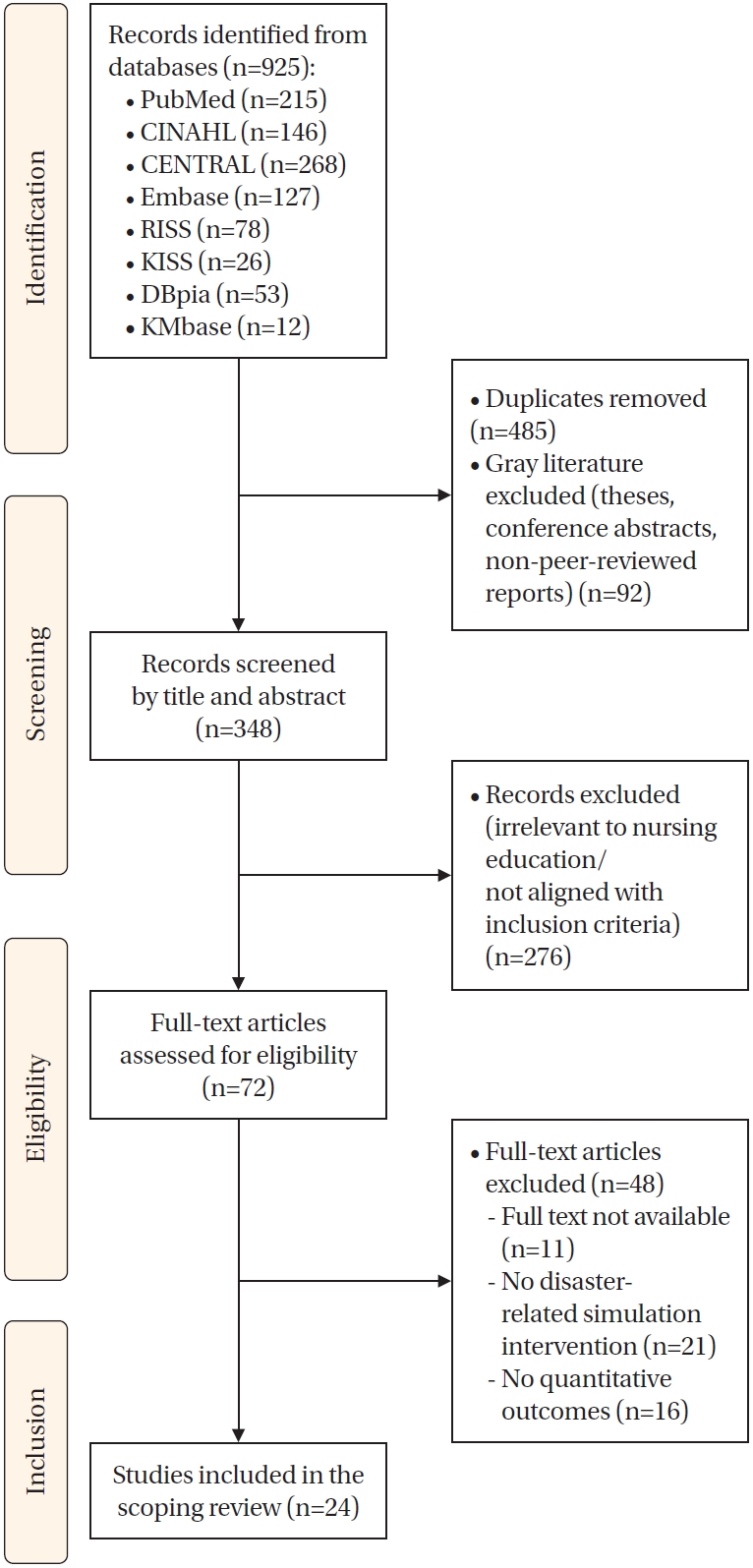
Table 1.Characteristics of the Included Studies
|
Studies |
Countries |
No. of participants |
Disaster types |
Simulation modalities |
Study no. |
|
Kim et al. (2025) |
South Korea |
3rd–4th-year nursing students (n=67; Exp: 33, Cont: 34) |
MCI |
Exp: online simulation |
A1 |
|
Cont: lecture-based education |
|
Genc et al. (2025) |
Turkiye |
4th-year nursing students (n=74; Exp: 36, Cont: 38) |
Earthquake disaster |
Exp: face-to-face simulation |
A2 |
|
Cont: lecture-based education |
|
Emaliyawati et al. (2025) |
Indonesia |
Undergraduate nursing students (n=94; Exp: 47, Cont: 47) |
Earthquake disaster |
Exp: face-to-face simulation |
A3 |
|
Cont: lecture-based education |
|
Seok and Park (2025) |
South Korea |
3rd-year nursing students (n=52; Exp: 25, Cont: 27) |
MCI |
Exp: face-to-face simulation |
A4 |
|
Cont: no intervention |
|
Park and Hwang (2024) |
South Korea |
4th-year nursing students (n=140; Exp: 70, Comp: 35, Cont: 35) |
Earthquake disaster |
Exp: face-to-face simulation |
A5 |
|
Comp: lecture-based education |
|
Cont: no intervention |
|
Choi and Choi (2024) |
South Korea |
Clinical and community nurses (n=58; Exp: 30, Cont: 28) |
Earthquake disaster |
Exp: online simulation |
A6 |
|
Cont: self-learning (e-book) |
|
Ko and Choi (2024) |
South Korea |
Clinical nurses (n=93; Exp: 45, Cont: 48) |
Infectious disease (COVID-19) |
Exp: online simulation |
A7 |
|
Cont: self-learning (text-based education) |
|
Hu et al. (2024) |
China |
New EMT nurses (n=198; Exp: 101, Cont: 97) |
Earthquake disaster |
Exp: online simulation |
A8 |
|
Cont: lecture-based education |
|
Lee and Jung (2023) |
South Korea |
3rd-year nursing students (n=54; Exp: 27, Cont: 27) |
Complex disaster |
Exp: face-to-face simulation |
A9 |
|
Cont: lecture-based education |
|
Hu et al. (2022) |
China |
Nursing students (n=158; Exp: 78, Cont: 80) |
Earthquake disaster |
Exp: online simulation |
A10 |
|
Cont: lecture-based education |
|
Wong et al. (2022) |
United States |
Interprofessional students (n=213; Exp: 63, Cont: 150) |
Complex disaster |
Exp: online simulation |
A11 |
|
Cont: face-to-face simulation |
|
Masoumian Hosseini et al. (2022) |
Iran |
3rd-year nursing students (n=60; Exp: 30, Cont: 30) |
Earthquake disaster |
Exp: blended simulation |
A12 |
|
Cont: case-based education |
|
Kim and Choi (2022) |
South Korea |
Clinical nurses (n=30; Exp: 10, Comp: 10, Cont: 10) |
CBRNE (chemical) |
Exp: face-to-face simulation |
A13 |
|
Comp: lecture-based education |
|
Cont: handout |
|
Chang et al. (2022) |
Taiwan |
Emergency nurses (n=67; Exp: 32, Cont: 35) |
CBRNE (chemical) |
Exp: online simulation |
A14 |
|
Cont: face-to-face simulation |
|
Ghahremani et al. (2022) |
Iran |
4th-year nursing students (n=40; Exp: 20, Cont: 20) |
Bioterrorism |
Exp: face-to-face simulation |
A15 |
|
Cont: workshop/lecture |
|
Ma et al. (2021) |
China |
Nursing students (n=51; Exp: 25, Cont: 26) |
Earthquake disaster |
Exp: face-to-face simulation |
A16 |
|
Cont: scenario-based simulation |
|
Smith et al. (2021) |
United States |
4th-year nursing students (n=121; Exp: 61, Cont: 60) |
CBRNE (decontamination) |
Exp: online simulation |
A17 |
|
Cont: high-fidelity simulation |
|
Wiese et al. (2021) |
United States |
Nursing students (n=80; crossover: both interventions) |
Natural disaster |
Exp: online simulation |
A18 |
|
Cont: face-to-face simulation |
|
Zhang et al. (2021) |
China |
Clinical nurses (n=120; Exp: 60, Cont: 60) |
Infectious disease (COVID-19) |
Exp: blended simulation |
A19 |
|
Cont: conventional education |
|
Gray et al. (2020) |
United States |
NICU & pediatric emergency nurses (n=60; Exp: 30, Cont: 30) |
Natural disaster (evacuation) |
Exp: online simulation |
A20 |
|
Cont: multimedia lecture |
|
Kim et al. (2019) |
South Korea |
4th-year nursing students (n=70; Exp: 35, Cont: 35) |
Complex disaster |
Exp: face-to-face simulation |
A21 |
|
Cont: no intervention |
|
Smith et al. (2018) |
United States |
Nursing students (n=172; Exp: 59, Comp: 58, Cont: 55) |
CBRNE (decontamination) |
Exp: online simulation |
A22 |
|
Comp: online simulation |
|
Cont: written instructions |
|
Farra et al. (2015) |
United States |
Nursing students (n=106; Exp: 54, Cont: 52) |
CBRNE (decontamination) |
Exp: online simulation |
A23 |
|
Cont: web-based education |
|
Farra et al. (2013) |
United States |
Nursing students (n=47; Exp: 22, Cont: 25) |
MCI |
Exp: online simulation |
A24 |
|
Cont: web-based education |
Table 2.Components and Strategies of Simulation-Based Disaster Nursing Education
|
Main categories |
Categories |
Subcomponents |
n (%) |
Study no. |
|
Program components |
Educational objectives |
Knowledge and theoretical understanding |
17 (70.8) |
A1-3,A8-10,A12,A13,A15,A16,A18-24 |
|
Performance and technical skills |
17 (70.8) |
A1,A4-7,A9,A11,A13,A15-23 |
|
Affective outcomes (self-efficacy, confidence) |
14 (58.3) |
A1,A3-5,A7,A13-18,A20,A21,A23 |
|
Decision-making and critical thinking |
12 (50.0) |
A2,A4-12,A16,A18 |
|
Disaster preparedness |
8 (33.3) |
A2,A5,A9,A14,A15,A18-20 |
|
Learning outcomes (motivation, satisfaction, SDL) |
6 (25.0) |
A3,A6-8,A10,A17 |
|
Non-technical skills (communication, teamwork) |
5 (20.8) |
A6,A7,A11,A12,A20 |
|
Scenario components |
Mass casualty triage |
11 (45.8) |
A1,A4,A5,A8,A9,A11,A12,A14,A16,A18,A24 |
|
Disaster management phases |
7 (29.2) |
A2,A3,A9,A11,A16,A18,A21 |
|
Hospital-based disaster |
7 (29.2) |
A7,A9,A14,A15,A19-21 |
|
Decontamination |
6 (25.0) |
A14,A15,A17,A22-24 |
|
Psychological first aid |
6 (25.0) |
A5-7,A12,A13,A16 |
|
Technical components |
Screen-based simulation |
13 (54.2) |
A2,A3,A6-8,A10-12,A18,A20,A22-24 |
|
Game-based simulation |
7 (29.2) |
A2,A6-8,A10,A12,A16 |
|
HMD-based VR |
5 (20.8) |
A1,A14,A17,A19,A22 |
|
Standardized patient |
5 (20.8) |
A5-7,A12,A13 |
|
Tabletop simulation |
4 (16.7) |
A3,A4,A9,A11 |
|
High-fidelity simulation |
3 (12.5) |
A5,A15,A21 |
|
Outcome measures |
Knowledge |
14 (58.3) |
A3,A6-8,A10,A12,A14,A15,A18,A19,A21-24 |
|
Self-efficacy/confidence |
11 (45.8) |
A1,A2,A4,A5,A7,A9,A13,A14,A17,A19,A23 |
|
Performance/skills |
11 (45.8) |
A1,A9,A12,A15-17,A19-23 |
|
Affective outcomes |
10 (41.7) |
A2,A3,A5-8,A10,A11,A14,A21 |
|
Learning satisfaction |
8 (33.3) |
A3,A8,A10,A11,A17,A19,A22,A23 |
|
Process outcomes (time, retention) |
7 (29.2) |
A1,A10,A12,A17,A20,A22,A23 |
|
Transfer-related outcomes |
5 (20.8) |
A6-9,A20 |
|
Educational strategies |
Strategy types |
Experience-based or problem-based learning |
24 (100.0) |
A1-24 |
|
Individual learning |
13 (54.2) |
A2,A6-8,A10,A12,A13,A17,A18,A20,A22-24 |
|
Team-based learning |
7 (29.2) |
A3,A4,A9,A11,A15,A16,A21 |
|
Mixed learning structure |
4 (16.7) |
A1,A5,A14,A19 |
|
Simulation implementation |
Pre-learning |
20 (83.3) |
A1-8,A10-18,A22-24 |
|
Debriefing |
15 (62.5) |
A1,A4-9,A11-14,A16,A18,A19,A21 |
|
Immediate feedback |
13 (54.2) |
A2,A6-8,A10,A14,A16,A18-20,A22-24 |
|
Repetition |
11 (45.8) |
A1,A2,A8,A10,A12,A17-19,A22-24 |
|
Learning theories |
Theory applied |
12 (50.0) |
A1-3,A5,A6,A12,A16-18,A21,A22,A24 |
|
Theory not applied |
12 (50.0) |
A4,A7-11,A13-15,A19,A20,A23 |
Table 3.Summary of Reported Educational Outcomes of Simulation-Based Disaster Nursing Education
|
Outcome categories |
Reported educational outcomes |
n (%) |
Study no. |
|
Knowledge |
Increased disaster-related knowledge |
14 (58.3) |
A1,A2,A5-8,A10,A12-16,A18 ,A24 |
|
Knowledge retention |
Promoted retention of knowledge over time |
4 (16.7) |
A8,A10,A12,A24 |
|
Self-efficacy/confidence |
Increased self-efficacy and confidence in disaster response |
9 (37.5) |
A1,A2,A4,A5,A7,A9,A13,A14,A19 |
|
Performance competency/technical skills |
Improved triage accuracy, decontamination performance, communication, and command system performance |
8 (33.3) |
A1,A9,A12,A13,A15,A16,A19,A21 |
|
Affective outcomes |
Improved learning motivation, engagement, and disaster preparedness beliefs |
5 (20.8) |
A2,A6-8,A10 |
|
Process outcomes |
Reduced task completion time and improved learning retention through repeated practice |
5 (20.8) |
A8,A10,A12,A22,A24 |
|
Transfer-related outcomes |
Reported post-learning application and change-related outcomes |
5 (20.8) |
A6-9,A20 |
REFERENCES
- 1. United Nations Office for Disaster Risk Reduction (UNDRR). The Sendai Framework Terminology on Disaster Risk Reduction: “Disaster” [Internet]. Geneva: UNDRR; 2017 [cited 2026 January 12]. Available from: https://www.undrr.org/terminology/disaster
- 2. Centre for Research on the Epidemiology of Disasters (CRED). Classification glossary [Internet]. Brussels: CRED; 2020 [cited 2026 January 12]. Available from: https://doc.emdat.be/docs/data-structure-and-content/glossary/
- 3. United Nations Office for Disaster Risk Reduction (UNDRR). 2022 Global assessment report on disaster risk reduction: our world at risk: transforming governance for a resilient future [Internet]. Geneva: UNDRR; 2022 [cited 2026 February 20]. Available from: https://digitallibrary.un.org/record/3969846
- 4. Lorenzoni N, Stuhlinger V, Stummer H, Raich M. Long-term impact of disasters on the public health system: a multi-case analysis. Int J Environ Res Public Health. 2020;17(17):6251. https://doi.org/10.3390/ijerph17176251
- 5. Hanefeld J, Mayhew S, Legido-Quigley H, Martineau F, Karanikolos M, Blanchet K, et al. Towards an understanding of resilience: responding to health systems shocks. Health Policy Plan. 2018;33(3):355-67. https://doi.org/10.1093/heapol/czx183
- 6. Nikitara M, Kalu A, Latzourakis E, Constantinou CS, Velonaki VS. Training nurses for disasters: a systematic review on self-efficacy and preparedness. Healthcare (Basel). 2025;13(24):3323. https://doi.org/10.3390/healthcare13243323
- 7. Labrague LJ, Hammad K, Gloe DS, McEnroe-Petitte DM, Fronda DC, Obeidat AA, et al. Disaster preparedness among nurses: a systematic review of literature. Int Nurs Rev. 2018;65(1):41-53. https://doi.org/10.1111/inr.12369
- 8. Hsiao CC, Huang CY, Lai FC, Chen TL, Cheng SF. Development and evaluation of an immersive cinematic escape room for disaster preparedness and self-efficacy among nurses. Clin Simul Nurs. 2024;91:101541. https://doi.org/10.1016/j.ecns.2024.101541
- 9. Veenema TG, Griffin A, Gable AR, MacIntyre L, Simons RN, Couig MP, et al. Nurses as leaders in disaster preparedness and response: a call to action. J Nurs Scholarsh. 2016;48(2):187-200. https://doi.org/10.1111/jnu.12198
- 10. Lateef F. Simulation-based learning: just like the real thing. J Emerg Trauma Shock. 2010;3(4):348-52. https://doi.org/10.4103/0974-2700.70743
- 11. Jeffries PR. Simulation in nursing education: from conceptualization to evaluation. 3rd ed. Philadelphia, PA: Wolters Kluwer; 2020.
- 12. Cant RP, Cooper SJ. The value of simulation-based learning in pre-licensure nurse education: a state-of-the-art review and meta-analysis. Nurse Educ Pract. 2017;27:45-62. https://doi.org/10.1016/j.nepr.2017.08.012
- 13. Koca B, Arkan G. The effect of the disaster management training program among nursing students. Public Health Nurs. 2020;37(5):769-77. https://doi.org/10.1111/phn.12760
- 14. Reeves S, Fletcher S, Barr H, Birch I, Boet S, Davies N, et al. A BEME systematic review of the effects of interprofessional education: BEME guide No. 39. Med Teach. 2016;38(7):656-68. https://doi.org/10.3109/0142159X.2016.1173663
- 15. INACSL Standards Committee. Onward and upward: introducing the healthcare simulation standards of best practice™. Clin Simul Nurs. 2021;58:1-4. https://doi.org/10.1016/j.ecns.2021.08.006
- 16. Foronda CL, Fernandez-Burgos M, Nadeau C, Kelley CN, Henry MN. Virtual simulation in nursing education: a systematic review spanning 1996 to 2018. Simul Healthc. 2020;15(1):46-54. https://doi.org/10.1097/SIH.0000000000000411
- 17. Makransky G, Petersen GB. The Cognitive Affective Model of Immersive Learning (CAMIL): a theoretical research-based model of learning in immersive virtual reality. Educ Psychol Rev. 2021;33:937-58. https://doi.org/10.1007/s10648-020-09586-2
- 18. Arksey H, O’Malley L. Scoping studies: towards a methodological framework. Int J Soc Res Methodol. 2005;8(1):19-32. https://doi.org/10.1080/1364557032000119616
- 19. Peters MDJ, Marnie C, Tricco AC, Pollock D, Munn Z, Alexander L, et al. Updated methodological guidance for the conduct of scoping reviews. JBI Evid Synth. 2020;18(10):2119-26. https://doi.org/10.11124/JBIES-20-00167
- 20. Tricco AC, Lillie E, Zarin W, O'Brien KK, Colquhoun H, Levac D, et al. PRISMA extension for scoping reviews (PRISMA-ScR): checklist and explanation. Ann Intern Med. 2018;169(7):467-73. https://doi.org/10.7326/M18-0850
- 21. World Health Organization; International Council of Nurses. ICN framework of disaster nursing competencies. Geneva: International Council of Nurses; 2009.
- 22. Salas E, DiazGranados D, Klein C, Burke CS, Stagl KC, Goodwin GF, et al. Does team training improve team performance? a meta-analysis. Hum Factors. 2008;50(6):903-33. https://doi.org/10.1518/001872008X375009
- 23. Kozlowski SW, Ilgen DR. Enhancing the effectiveness of work groups and teams. Psychol Sci Public Interest. 2006;7(3):77-124. https://doi.org/10.1111/j.1529-1006.2006.00030.x
- 24. Kolb DA. Experiential learning: experience as the source of learning and development. 2nd ed. Boston, MA: Pearson; 2015.
- 25. Jeffries PR. A framework for designing, implementing, and evaluating simulations used as teaching strategies in nursing. Nurs Educ Perspect. 2005;26(2):96-103.
- 26. Abbas R, Miller T. Exploring communication inefficiencies in disaster response: perspectives of emergency managers and health professionals. Int J Disaster Risk Reduct. 2025;120:105393. https://doi.org/10.1016/j.ijdrr.2025.105393




 E-SUBMISSION