Abstract
-
Purpose
This scoping review identified the core components of nursing competence required for general ward nurses to recognize and manage clinical deterioration and examined how this competence has been conceptualized in previous studies. It also synthesized individual- and system-level factors associated with competence and identified research gaps relevant to nursing education, future research, and patient safety initiatives.
-
Methods
This scoping review was conducted using Arksey and O’Malley’s framework and reported in accordance with the PRISMA-ScR guidelines. Six databases—PubMed, CINAHL, Embase, the Cochrane Library, Scopus, and Web of Science—were searched for studies published between January 2016 and December 2025 using search terms related to clinical deterioration and nursing competence.
-
Results
Twenty-one studies met the inclusion criteria. The findings were organized into two domains: nursing competencies and factors associated with competence. Technical competencies included physical assessment, vital-sign monitoring, surveillance, information analysis, and application of escalation protocols. Non-technical competencies included situational awareness, clinical decision-making, intuition, leadership, interprofessional communication, and teamwork. Individual-level factors included clinical experience, self-confidence, skill acquisition, and clinical judgment. System-level factors included education and training, relationship-building with physicians, supportive work environments, electronic tools, organizational support, and teamwork culture.
-
Conclusion
Nursing competence in managing clinical deterioration is multidimensional and reflects the interaction of individual capabilities with system-level supports. Future research should develop educational strategies that strengthen both technical and non-technical skills while reinforcing organizational systems that support timely and effective responses to deterioration.
-
Key Words: Clinical deterioration; Clinical competence; Nurses; Patient safety
INTRODUCTION
Clinical deterioration (CD), defined as the subjective or objective manifestation of hemodynamic instability caused by declining physiological compensatory mechanisms, is a major threat to patient safety and quality of care in hospitals [
1]. Despite advances in clinical monitoring technologies and rapid response systems, in-hospital CD remains a substantial patient-safety concern. In-hospital cardiac arrest, one of the most serious consequences of CD, occurs at a reported rate of approximately 1–6 cases per 1,000 hospital admissions [
2]. CD is also clinically important in general ward settings. In a cohort of 224,912 adult medical-surgical ward admissions, approximately 5% of admissions involved CD, operationally defined as unplanned transfer from the ward to the intensive care unit (ICU) or death on the ward [
3]. Because physiological abnormalities often precede these events, clinicians have a critical opportunity to recognize early changes and escalate care before more severe adverse outcomes occur [
3]. Early recognition of subtle physiological changes and timely intervention are therefore essential for preventing further decline and improving patient outcomes [
4].
Nurses are frontline providers of patient care and play a central role in detecting early signs of deterioration through continuous observation and assessment [
5]. Previous studies have identified several essential components of nursing competence in managing CD, including accurate vital-sign monitoring [
6], understanding of patient conditions [
7], and analysis of clinical information [
8]. Communication and teamwork are also essential because timely responses to deterioration often require coordinated action across professionals [
9,
10].
The competence required to manage CD may differ by healthcare setting and patient acuity. In emergency departments (EDs), for example, nurses must demonstrate clinical confidence, classify patient severity, communicate effectively, and make collaborative decisions with physicians [
11]. ICU nurses require advanced expertise in patient monitoring, pathophysiology, and complex communication [
12]. In contrast, community healthcare settings emphasize patient assessment, screening-tool use, and adherence to clinical guidelines [
13]. These differences show that competence must be tailored to patient complexity and to the clinical demands of each care environment [
14,
15].
Nursing competence includes both technical and non-technical skills. Technical skills involve clinical procedures and specialized knowledge, whereas non-technical skills are the “cognitive, social, and personal resource skills that complement technical skills and contribute to safe and efficient performance” [
16]. Non-technical skills, including communication, situational awareness, and decision-making, help reduce errors and support patient safety, although their specific expression differs across clinical domains.
Although nurses in many clinical settings must recognize and respond to patient deterioration, general ward nurses face a distinct set of challenges. EDs and ICUs typically provide high-acuity care with continuous monitoring and immediate medical support, whereas general wards often include patients with diverse conditions whose deterioration may be subtle, gradual, and difficult to detect. In these settings, nurses are frequently the first healthcare professionals to notice early changes in a patient’s condition and must decide whether to escalate care despite limited monitoring resources, competing workload demands, and variable access to rapid response systems.
Recent reviews have examined related topics, including factors influencing ward nurses’ recognition of and response to patient deterioration [
9], antecedents of CD in ward patients [
5], ward nurses’ roles in recognizing and responding to CD [
17], and ward nurses’ roles and responsibilities during rapid response team (RRT) activation [
18]. However, these reviews have primarily addressed recognition, response, antecedents, escalation, or system activation rather than mapping the full range of competencies required to manage CD in general ward settings. In particular, previous syntheses have given limited attention to how technical skills, such as physical assessment and vital-sign monitoring, work together with non-technical skills, such as situational awareness, clinical decision-making, intuition, leadership, interprofessional communication, and teamwork. The individual- and system-level factors that shape these competencies among general ward nurses also remain insufficiently synthesized.
This scoping review examined what is known in the existing literature about nursing competence in managing CD among general ward nurses. Specifically, this study aimed to (1) identify the core components of nursing competence required to recognize and manage CD in general ward settings, (2) examine how nursing competence related to CD has been described and operationalized in previous studies, (3) explore individual- and system-level factors associated with nurses’ competence in managing CD, and (4) map the characteristics of existing studies and identify gaps in the literature to inform future research, nursing education, and patient safety initiatives.
METHODS
1. Study Design
This scoping review followed the methodological framework proposed by Arksey and O’Malley [
19] and further refined by Levac et al. [
20]. The review question was structured using the Population-Concept-Context framework. The population was nurses; the concept was competence in managing CD, including knowledge, attitudes, technical skills, and non-technical skills such as intuition, decision-making, communication, and teamwork; and the context was general ward clinical settings. Reporting followed the PRISMA-ScR guidelines [
21].
This review included studies that examined nursing competencies for managing CD among general ward nurses. Studies were excluded if they were (1) non–peer-reviewed publications, such as dissertations, editorials, letters, replies, conference abstracts, or review articles, because these sources generally had limited data presentation; (2) focused on pediatric or mental health deterioration; (3) conducted among nurses working in EDs, ICUs, or community settings; (4) unrelated to nursing competence in CD; or (5) published in languages other than English.
3. Search Methods
A comprehensive search was conducted in six electronic databases—PubMed, CINAHL, Embase, the Cochrane Library, Scopus, and Web of Science—to identify studies published between January 2016 and December 2025. The final search was conducted on March 10, 2026. The review protocol was not registered because protocol registration is not mandatory for scoping reviews, and no prospective registration was completed before the review began. The timeframe was selected to reflect the growing global emphasis on patient safety and the widespread implementation of rapid response systems, both of which have shaped contemporary understanding of CD in nursing practice [
22,
23]. The search strategy combined controlled vocabularies, including Medical Subject Headings, Emtree, and CINAHL Headings, with free-text keywords. Search terms were organized around four conceptual domains: nursing professionals (e.g., “nurses,” “nursing”), clinical situations (e.g., “clinical deterioration,” “patient deterioration”), clinical settings (e.g., “in-hospital,” “general ward”), and care escalation and competencies (e.g., “escalation,” “attitude,” “management,” “clinical competence,” “performance”). Boolean operators were used to combine search terms and refine the search strategy for each database (
Supplementary Data 1). An experienced medical librarian reviewed and validated the search strategy to support methodological rigor and comprehensiveness.
Two reviewers independently screened titles and abstracts according to the predefined inclusion and exclusion criteria. Consistent with scoping review methodology, no formal risk-of-bias or quality assessment was undertaken because the purpose of the review was to map and synthesize existing evidence rather than evaluate intervention effectiveness [
19,
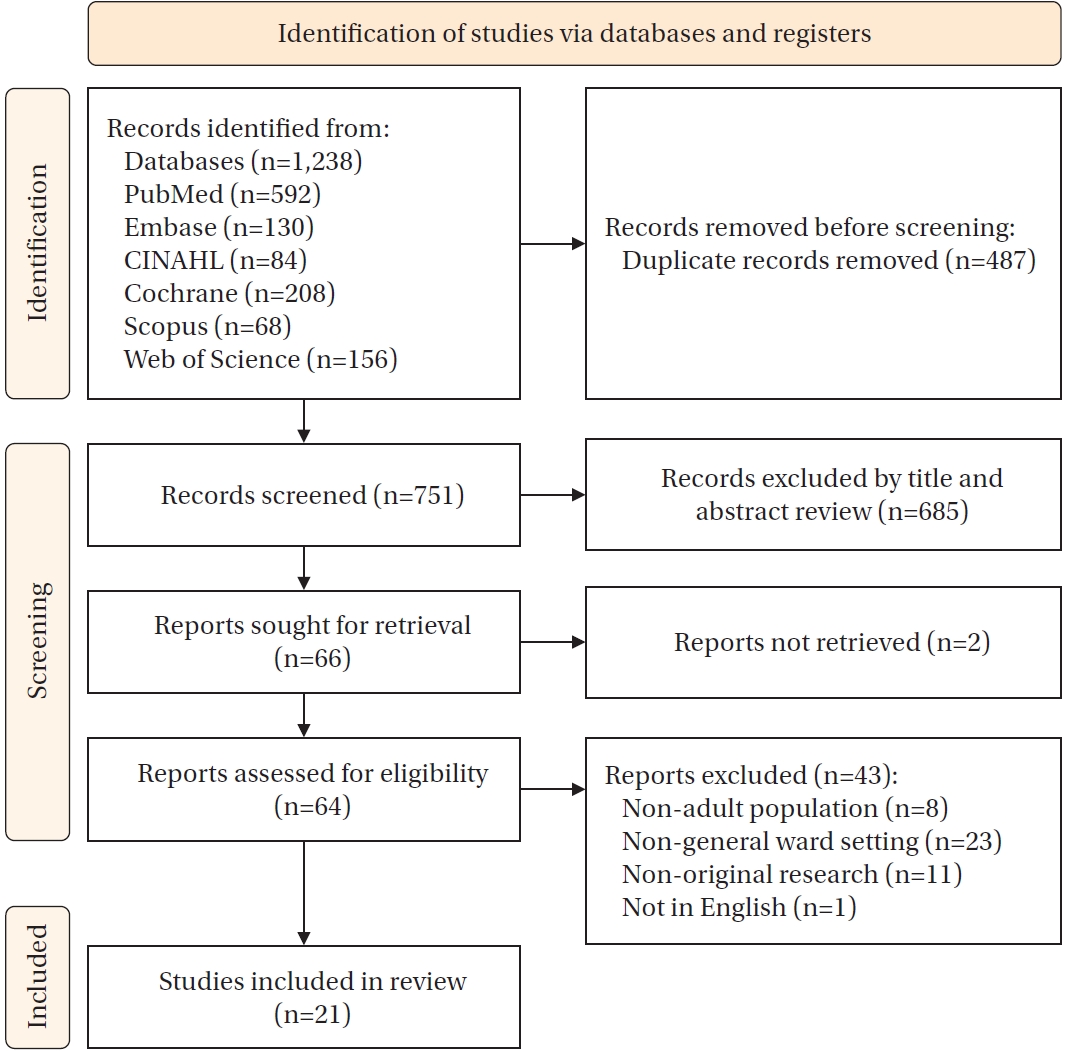
20]. Predefined eligibility criteria were applied throughout screening to support the selection of relevant studies. After title and abstract screening, both reviewers independently assessed the full-text articles. Discrepancies were resolved through discussion until consensus was achieved. Overall, 21 studies met the inclusion criteria and were included in the final analysis (
Figure 1,
Supplementary Data 2).
Eligibility for inclusion was confirmed through a systematic and transparent selection process. Two researchers independently reviewed each study for relevance to the research question and appropriateness for inclusion, focusing on the clarity of study objectives, adequacy of data presentation, and alignment with the concept of nursing competence in managing CD. Disagreements were resolved through discussion until consensus was reached. Although formal quality appraisal or risk-of-bias assessment was not conducted because it is not required for scoping reviews, predefined inclusion and exclusion criteria were applied to improve the consistency and transparency of study selection.
Data extraction was performed by one reviewer and cross-checked by a second reviewer for accuracy and completeness. Extracted data included (1) study characteristics, such as year of publication and country; (2) methodological characteristics, such as study design and sample size; (3) nurse characteristics, such as age and work experience; (4) essential components of nursing competence in managing CD; and (5) factors associated with nursing competence.
6. Data Analysis and Synthesis
A descriptive numerical and narrative synthesis was performed to summarize study characteristics and identify the essential components of and factors associated with nursing competence in managing CD. Data extraction and categorization followed a hybrid approach that combined deductive and inductive methods. First, essential components of nursing competence were deductively categorized as technical or non-technical skills based on Flin and O’Connor’s conceptual framework of non-technical skills [
16]. Technical skills included clinical assessment, vital-sign monitoring, surveillance, information analysis, and application of escalation protocols, whereas non-technical skills included situational awareness, clinical decision-making, intuition, leadership, interprofessional communication, and teamwork.
Inductive thematic analysis was then used to identify and categorize factors associated with nursing competence. During data extraction, one reviewer conducted initial open coding to identify factors influencing competence, and a second reviewer cross-checked the extracted data for accuracy and completeness. The two reviewers then used constant comparison across included studies to group the initial codes into broader categories. Through this process, associated factors were categorized into two overarching domains: individual-level factors and system-level factors.
Discrepancies during coding and categorization were resolved through iterative discussion until consensus was reached. When necessary, the research team reviewed and refined the initial coding framework and final categories to enhance the reliability and trustworthiness of the synthesis. Because a single study could report more than one factor associated with nursing competence, individual studies were allowed to contribute to multiple individual- or system-level categories. Therefore, the percentages represent the proportion of the 21 included studies that reported each factor.
RESULTS
Table 1 summarizes the general characteristics of the 21 included studies. Qualitative methods were used in nine studies (42.9%), descriptive designs in six studies (28.6%), quasi-experimental designs in three studies (14.3%), mixed-methods designs in two studies (9.5%), and a modified Delphi design in one study (4.8%). Sample sizes varied widely, ranging from 8 to 534 participants. The age of participating nurses was reported in 14 studies; eight studies presented mean ages, while six reported age ranges or age categories. The remaining seven studies did not report age information. Participants’ work experience ranged from newly graduated nurses to those with up to 50 years of experience, although two studies did not report participants’ years of experience.
Across the included studies, nursing competence in managing CD was conceptualized not simply as a set of technical skills but as a dynamic, multidimensional process. Several studies defined competence primarily as clinical judgment, emphasizing nurses’ ability to recognize discordant cues, synthesize data, and navigate system vulnerabilities [A7,A16]. Other studies conceptualized competence as sequential recognition and response abilities closely linked to objective early warning scores [A4,A7,A10,A11]. A distinct subset of studies emphasized non-technical attributes, defining competence through situational awareness, experience-based intuition, and interprofessional communication [A9,A12,A15].
The operationalization and evaluation of competence varied considerably across the 21 studies, reflecting differences in study design. Nine qualitative studies explored competence through nurses’ experiences and accounts of recognizing, interpreting, and responding to clinical deterioration within various clinical contexts [A2-5,A7,A9,A13,A16,A20]. Six studies using descriptive, case-based, or multisource quantitative approaches evaluated competence through various indicators related to nurses’ recognition of and response to clinical deterioration, including clinical practices, perceptions, attitudes, and associated factors [A8,A12,A14,A17,A18,A21]. Three quasi-experimental studies operationalized competence by examining changes in knowledge, confidence, clinical performance, or rapid response system activation following simulation-based education or just-in-time training interventions [A6,A10,A11]. Two mixed-methods studies combined quantitative indicators with qualitative accounts to provide a comprehensive understanding of nurses’ competence in managing clinical deterioration [A15, A19]. One modified Delphi study operationalized competence by establishing expert consensus on its essential domains and indicators through an iterative process [A1].
1. Essential Components of Nursing Competence in Managing CD
The included studies identified 11 essential components of nursing competence related to CD management (
Table 2). Vital-sign monitoring was identified in 13 studies (61.9%), physical assessment in 12 studies (57.1%), escalation-protocol application in 10 studies (47.6%), interprofessional communication and collaborative teamwork in nine studies each (42.9%), information analysis in eight studies (38.1%), clinical decision-making and surveillance in seven studies each (33.3%), clinical intuition in five studies (23.8%), and situational awareness and leadership in two studies each (9.5%). These components indicate that competence in managing CD extends across the full deterioration-management process, from recognizing early changes to interpreting clinical information and initiating an appropriate response.
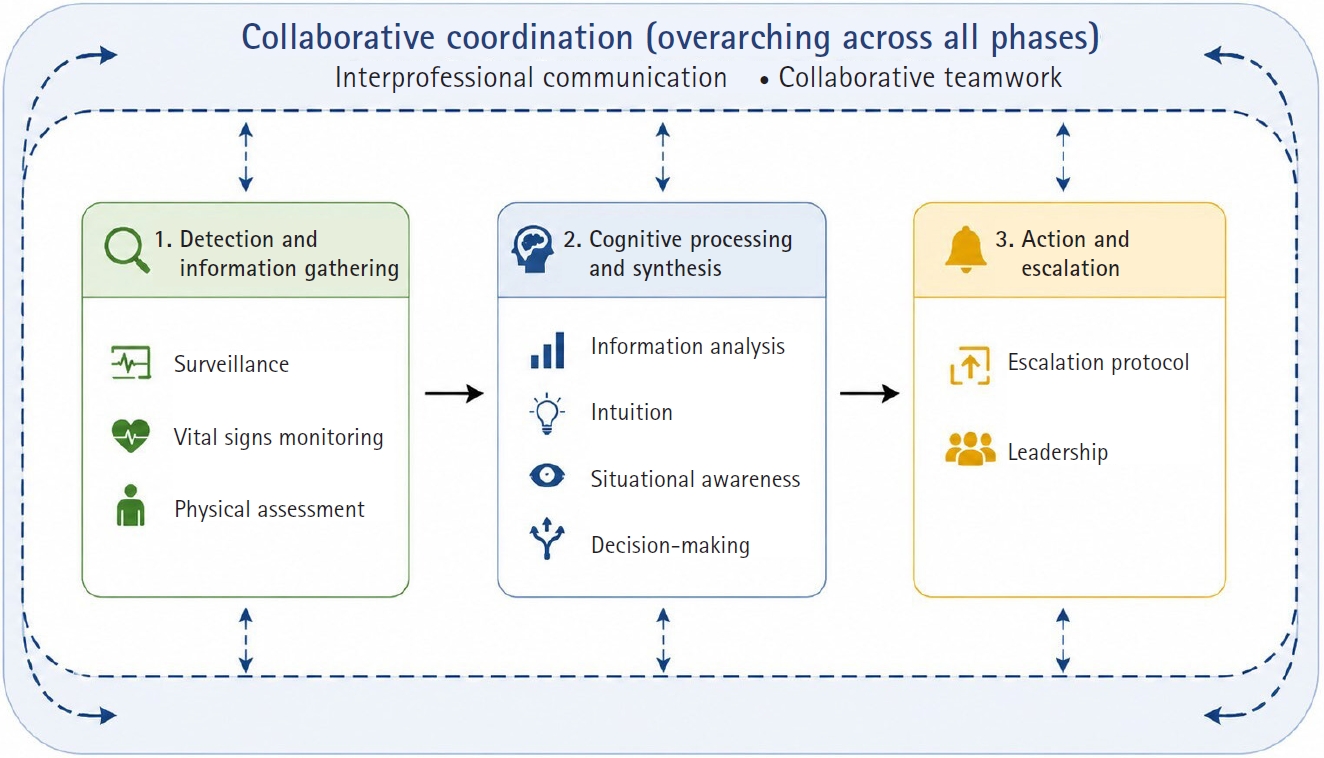
The 11 core components were organized into a conceptual framework with three sequential but interconnected phases, with collaborative coordination spanning all phases. First, the detection and information-gathering phase involved surveillance, vital-sign monitoring, and physical assessment to identify early physiological changes. Second, the cognitive processing and synthesis phase involved information analysis and intuition, which supported interpretation of clinical cues and contributed to situational awareness and decision-making. Third, the action and escalation phase involved escalation-protocol application and leadership to facilitate timely responses to deterioration. Across all three phases, collaborative coordination, comprising interprofessional communication and collaborative teamwork, supported integration of the overall deterioration-management process. This synthesized framework shows how assessment and information gathering are linked with cognitive processing, clinical action, and collaborative coordination in CD management (
Figure 2).
Factors associated with nursing competence were classified into individual- and system-level domains (
Table 3). At the individual level, prior experience was the most frequently identified factor (9 studies, 42.9%), including experience in acute care, managing patient deterioration, serving as a preceptor, and activating rapid response systems [A2-5,A7-10,A16]. Other individual-level factors included self-confidence [A12,A15,A18,A21], skill acquisition [A4], and clinical judgment [A16].
At the system level, education and training emerged as the most frequently reported factor (8 studies, 38.1%) [A1,A6,A10,A12,A14,A18-20], underscoring the importance of continuous, context-specific learning opportunities. Other system-level factors included relationship-building with physicians [A9,A13,A14,A16], work environment [A2,A3,A6,A12,A16,A18,A19], technological support, such as electronic monitoring tools and data systems [A7,A10,A11,A13,A17,A19], organizational support systems, such as rapid response teams [A15,A18,A20], and teamwork culture [A17,A18,A21].
DISCUSSION
The findings of this review are consistent with previous research [
6,
9,
17], indicating that vital-sign monitoring, physical assessment, data interpretation, clinical decision-making, and adherence to escalation protocols are essential competencies for nurses across diverse clinical settings. For contextual comparison, similar competence domains have been reported in external literature on nurses working in EDs [
11,
24,
25], ICUs [
12], and community healthcare environments [
13], although these settings were excluded from the present scoping review. These core elements represent fundamental clinical abilities needed for effective patient monitoring and timely intervention. The present findings also reaffirm that situational awareness, clinical judgment, and interprofessional communication are broadly relevant capabilities for recognizing and managing patient deterioration promptly and appropriately.
The application of nursing competence in responding to CD differs by clinical setting. In general wards, where patient decline is often subtle and gradual, nurses rely heavily on continuous observation, vigilance, and experience-based intuition, particularly when continuous monitoring or immediate system support is unavailable [A4,A12,
26,
27]. In contrast, ED nurses work in high-acuity, fast-paced environments that require rapid triage, clear role delineation, and structured communication to manage unpredictable deterioration [
11,
24]. Similarly, in ICUs, where patients are critically ill, clinically complex, and at high risk of instability, nursing competence emphasizes sustained surveillance, advanced technical interventions, and multidisciplinary teamwork supported by standardized protocols and monitoring technologies [
12,
28].
In community care, nurses manage deterioration in contexts characterized by chronic illness, frailty, and limited resources, requiring holistic assessment, autonomous decision-making, and interprofessional coordination to support safe, patient-centered care [
13,
27]. Compared with the resource-rich and highly structured environments of ICUs and EDs, general ward settings involve high patient loads and complex escalation pathways. This contrast highlights the contribution of the present review: early recognition and decision-making in general wards require context-specific competencies rather than reliance on technological alerts alone.
Despite these contextual differences, early recognition, timely intervention, and effective communication remain essential across settings, although their expression varies by patient acuity, available resources, and organizational structure. These findings support competence-development strategies that are aligned with the realities of each care environment. For general ward nurses, educational initiatives should emphasize recognition of subtle and progressive deterioration [A2,A6] through experiential learning strategies, including simulation-based education, case-based training, and reflective practice [
26,
29]. Training programs should therefore move beyond acute emergency scenarios alone and include simulations of gradual deterioration, structured debriefings, and exercises in decision-making under uncertainty to strengthen situational awareness and clinical reasoning. Embedding these competencies into pre-licensure curricula, continuing professional education, and interprofessional training may improve nurses’ preparedness for real-world ward-based deterioration events.
At the individual level, clinical experience was a key factor, particularly in the development of complex cognitive competencies such as intuition. To understand this relationship, intuition should be distinguished from clinical reasoning and clinical judgment. Clinical reasoning refers to the analytical, stepwise cognitive process of gathering objective data, synthesizing information, and formulating a hypothesis [
30]. Clinical judgment is the actionable conclusion derived from this reasoning process [
31]. In contrast, intuition operates as a rapid, non-analytical synthesis of subtle and often unquantifiable cues that develops through extensive clinical experience. Rather than replacing objective assessment, intuition may function as an early tacit signal—a sense that “something is wrong”—that prompts nurses to initiate formal clinical reasoning and apply clinical judgment before physiological parameters exceed predefined warning thresholds [
32].
Repeated exposure to deterioration events and emergency situations may improve nurses’ ability to recognize subtle, recurring patterns of patient decline. Through accumulated clinical experience, these pattern-recognition processes may contribute to intuition, which can serve as an early cue for clinical reasoning and support timely clinical judgment before overt physiological deterioration becomes evident [
29,
33,
34]. Experienced nurses also often serve as mentors, helping novice staff develop competence through role modeling and feedback [
26]. At the system level, educational infrastructure, escalation protocols, teamwork, and staffing conditions influenced nurses’ ability to respond effectively. Supportive work environments with clear procedures and sufficient resources facilitated timely action, whereas communication barriers and staff shortages hindered effective responses [
10,
35].
Compared with previous studies focused primarily on emergency and intensive care contexts, this review highlights the distinct challenges of general ward settings, where system resources are often limited and escalation processes may be inconsistently applied [
36]. The findings suggest that interventions should strengthen individual competence through experiential learning while also reinforcing system-level supports tailored to ward environments. Such combined strategies may improve early recognition, timely intervention, and patient safety. Recent evidence indicates that organizational culture, role ambiguity, and insufficient empowerment continue to impede ward nurses’ escalation of care [A2,A17,A20], underscoring the need for institutional policies that clearly define and integrate ward nurses’ roles within RRT frameworks [
18].
This scoping review has several limitations. First, formal methodological quality appraisal and risk-of-bias assessment were not conducted. Although such evaluations are not mandatory for scoping reviews, the heterogeneity of study designs, sample sizes, and clinical contexts may have introduced varying degrees of bias and may limit the strength of conclusions that can be drawn from the synthesized evidence. Second, the search strategy had several restrictions. The review was limited to peer-reviewed English-language studies published from January 2016 to December 2025 and excluded non-English studies and gray literature. Although this timeframe was selected to reflect contemporary clinical practice shaped by patient safety initiatives, rapid response systems, early warning systems, and escalation protocols, excluding studies published before 2016 may have limited the review’s ability to capture earlier conceptual development of nursing competence related to CD. In addition, although the search terms were designed to identify studies on CD and nursing competence, related concepts used in adjacent clinical fields, such as failure to rescue, rapid response system activation, escalation of care, clinical judgment, and patient surveillance, may not have been fully captured. Relevant studies using different terminology may therefore have been missed. The absence of supplementary hand-searching or reference-list screening may also have led to omission of potentially relevant literature not indexed in the selected electronic databases. Third, although systematic data extraction and synthesis procedures were used, qualitative categorization of competency components and associated factors may have involved some subjectivity. To reduce this limitation, extracted data and categories were cross-checked by the reviewers and refined through discussion. Finally, the operational definition of general ward nursing may not fully capture variation across healthcare systems, including differences in staffing models, nurse-to-patient ratios, monitoring resources, and escalation protocols, which may limit the generalizability of the findings.
This review also has several strengths. By focusing exclusively on general ward nursing, an area often underrepresented in deterioration-related literature, it clarifies the challenges nurses face when detecting and responding to early, subtle signs of patient decline. The review also provides a preliminary map of nursing competence in this context by synthesizing both individual- and system-level factors and describing how contextual conditions shape nurses’ performance. By incorporating qualitative and mixed-methods studies, the synthesis captures experiential insights that are often missed in purely quantitative analyses and provides a foundation for future empirical research.
Educational interventions should move beyond acute emergency scenarios alone and place greater emphasis on recognizing subtle, progressive deterioration, using intuition appropriately, and making clinical decisions under uncertainty. Interprofessional debriefings and role-clarification exercises may reduce role conflict and build nurses’ confidence within RRT systems [
18]. Competency development should also be treated as a continuum, beginning with multi-stage integrated simulation curricula for third- and fourth-year pre-licensure students and continuing with experience-tailored training for practicing ward nurses.
Effective educational strategies should move beyond lecture-only approaches and incorporate experiential learning. Recommended delivery methods include mixed reality, high-fidelity simulations of subtle ward deterioration, case-based reflection, and interprofessional debriefings. These programs should be evaluated using standardized metrics that assess both objective performance and self-efficacy, such as the Perceived Self-Efficacy in Nursing Competencies Scale [
37]. Education also requires system-level reinforcement; healthcare organizations should implement clear escalation protocols and early warning systems and foster a nonpunitive culture to reduce escalation hesitancy among ward nurses [
38]. Notably, although not included among the 21 studies reviewed, Xu et al. [
8] developed and validated a structured instrument, the Recognition and Response to Clinical Deterioration (RRCD), to systematically measure junior nurses’ recognition and response abilities to clinical deterioration. This instrument provides an important foundation for the standardized assessment of deterioration-related nursing competence. Future research should develop and validate standardized instruments for measuring context-specific competencies, including intuition and deterioration-related decision-making, particularly within the Korean healthcare context. Such tools will be important for advancing empirical research and improving education and policy frameworks aimed at strengthening nurses’ competence in managing CD.
Future research should investigate the developmental trajectory of intuition using established theoretical frameworks, such as Benner’s Novice to Expert theory [
39] and Tanner’s Clinical Judgment Model [
40]. Such theory-informed studies may clarify how repeated clinical exposure, reflective learning, and progressive expertise contribute to intuitive recognition, clinical judgment, and timely responses to patient deterioration.
CONCLUSION
This scoping review identified key components of and factors associated with nursing competence in managing CD in general wards. Core competencies such as vital-sign monitoring, assessment, clinical reasoning, and escalation are broadly relevant across settings, but their application is shaped by ward-specific challenges, including subtle symptom progression and limited monitoring support. Competence development should address both technical proficiency and non-technical abilities, including situational awareness, intuition, and decision-making under uncertainty. Individual competence may be strengthened through simulation-based training and mentorship, whereas system-level improvement requires supportive teamwork cultures and simplified escalation pathways.
To address existing research gaps, future studies should move beyond descriptive designs and focus on actionable priorities. First, ward-specific measurement tools should be developed and validated to assess non-technical competencies, such as intuitive decision-making and situational awareness, with adequate reliability and validity. Second, future research should evaluate the effects of organizational-level interventions, such as integrated early warning systems, structured interprofessional debriefings, and revised escalation protocols, on nurses’ behavioral responses and patient safety outcomes. Finally, longitudinal studies are warranted to examine how continuous competency-based education and accumulated clinical experience interact to sustain deterioration-management skills over time.
-
CONFLICTS OF INTEREST
The authors declared no conflict of interest.
-
AUTHORSHIP
Study conception and design - URS; data collection - URS; analysis - URS and YJ; interpretation of the data - URS and YJ; and drafting or critical revision of the manuscript for important intellectual content - URS and YJ.
-
FUNDING
None.
-
ACKNOWLEDGEMENT
None.
-
DATA AVAILABILITY STATEMENT
The data can be obtained from the corresponding author.
SUPPLEMENTARY MATERIAL
Figure 1. Flow diagram of study selection.
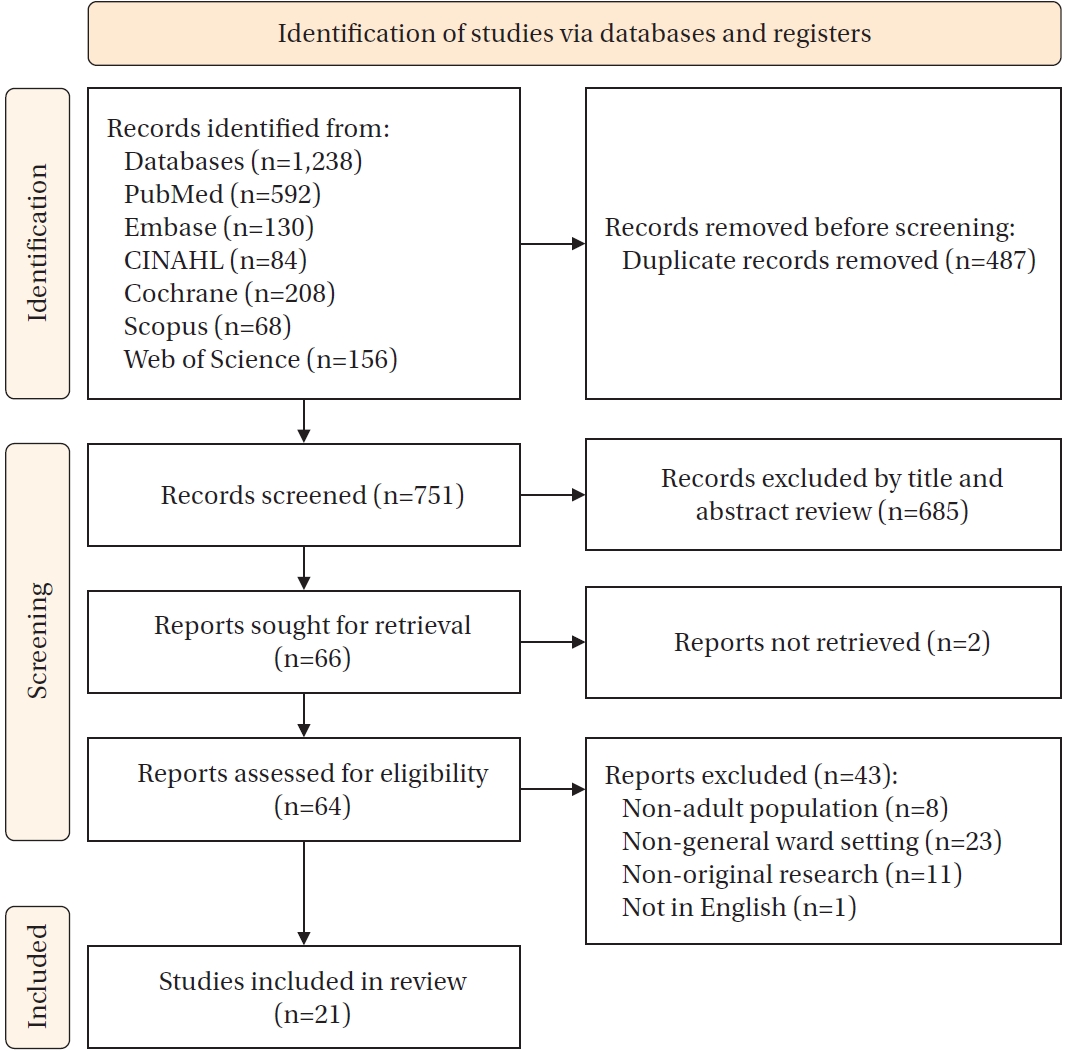
Figure 2. Conceptual framework of nursing competence in managing clinical deterioration.
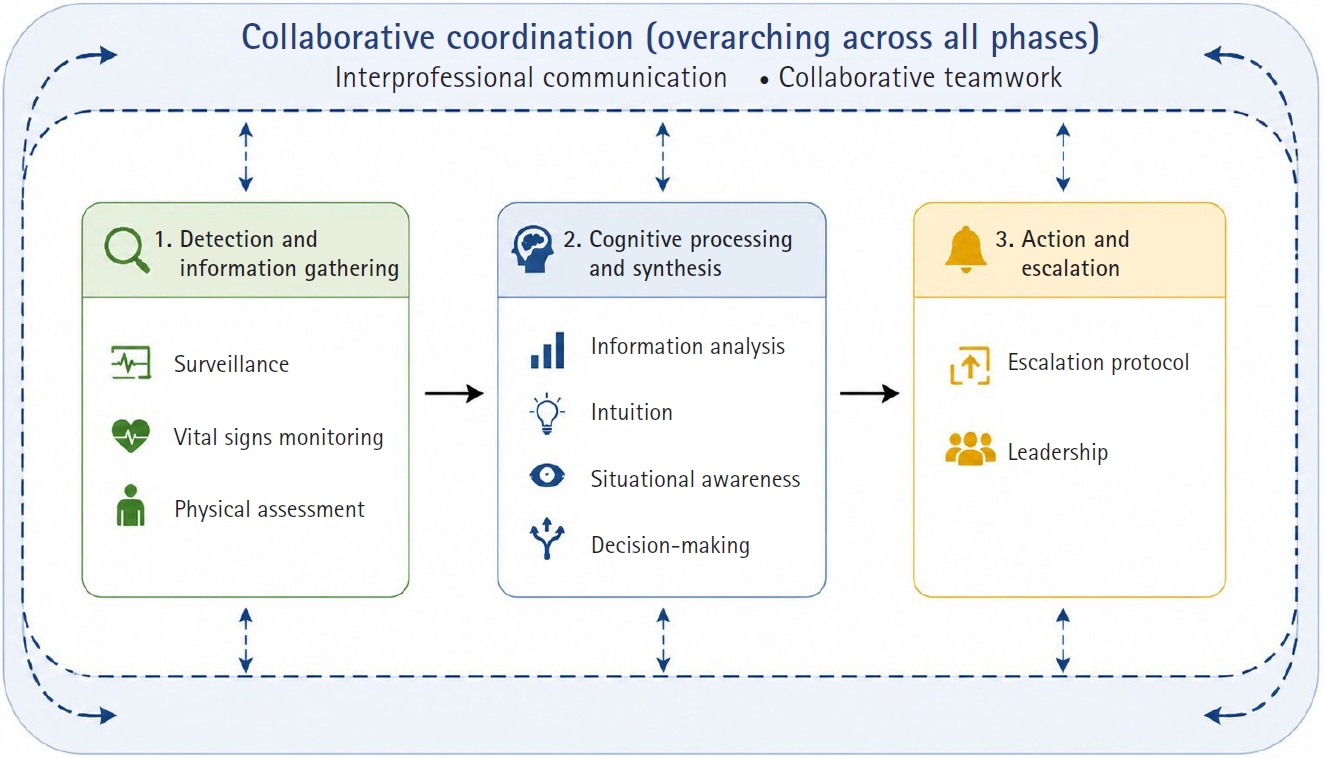
Table 1.General Characteristics of Included Studies
|
Author |
Country |
Study design |
Sample size |
Age (year) |
Work experience (year) |
Findings |
|
M (range) or % |
|
Douglas et al. [A1] |
Australia |
Modified Delphi study |
150 |
37 (21 to 65) |
11 (5 to 20) |
Clinical assessment included airway, breathing, circulation, disability, and exposure assessments, with detailed evaluation of consciousness, skin integrity, mobility, and elimination. |
|
Hart et al. [A2] |
USA |
Qualitative |
28 |
40.0 (23 to 62) |
10.5 (1 to 45) |
Medical-surgical nurses identified and responded to early warning signs of deterioration, including altered levels of consciousness, changes in vital signs, and abnormal physical assessment findings. Challenges during deterioration events included room layout, lack of equipment, technology-related workflow issues, workload demands related to patient-care complexity, and lack of role clarity. |
|
Bacon [A3] |
USA |
Qualitative |
14 |
44.2 (26 to 67) |
17.3 (1.5 to 45) |
Nurses' responses after a failure-to-rescue surgical death may differ when no nursing error contributed to the event. Mentoring junior nurses in protective surveillance skills is essential. |
|
Dalton et al. [A4] |
UK |
Qualitative |
10 |
N/A |
- (<1 to >20) |
The main factors influencing nurses' assessments were collegial relationships, intuition, and interpretation of the MEWS. Nurses had no difficulty escalating care when patients had a high MEWS score but found it challenging to validate their findings and escalate care when the MEWS score was low. |
|
Della Ratta [A5] |
USA |
Qualitative |
11 |
32.8 (24 to 51) |
9.4 (2 to 29) |
Preceptors balanced patient-safety responsibilities with their preceptor role to support novice nurse development. Debriefing emerged as an essential tool for reviewing technical aspects of care, allowing emotional processing, and providing evaluative feedback and reassurance to novice nurses. |
|
Duff et al. [A6] |
Australia |
Quasi-Experimental |
60 |
40.7 |
10.4 |
Multimodal educational strategies, including post-program coach/educator support, helped sustain improvements in nurses' technical and non-technical skills over time. |
|
Foley and Dowling [A7] |
Ireland |
Qualitative |
8 |
N/A |
5 to 22 |
Three themes emerged: protocol adherence versus clinical judgment, parameter adjustment and escalation, and culture. Protocol nonadherence, failure to modify parameters, and ineffective communication contributed to a task-driven approach to EWS practice. |
|
Orique et al. [A8] |
USA |
Descriptive |
86 |
37.04 (24 to 62) |
7.89 (0.33 to 39) |
Experience, rather than fatigue, education, or certification, helped nurses detect deterioration cues and reflected skill acquisition. |
|
Chua et al. [A9] |
Singapore |
Qualitative |
24 |
N/A |
- (1 to ≥10) |
Nurses reported positive effects of the daily outreach service. Escalation of care involved nurses and junior doctors navigating clinical judgment, hierarchical dynamics, and fear of criticism when deciding whether to activate the MET or call the primary team, often resulting in delayed escalation despite patient deterioration. |
|
Peebles et al. [A10] |
Australia |
Quasi-Experimental |
534 |
N/A |
N/A |
Just-in-time training improved escalation practices, increased nurses' confidence, and increased MET call rates. |
|
Warren et al. [A11] |
USA |
Quasi-Experimental |
29 |
- (20 to 69) |
- (<1 to 25) |
Simulation-based education significantly improved nurses' knowledge, confidence, and responses to deterioration. Escalation of care involved applying MEWS thresholds, promptly notifying providers, and activating rapid response to address clinical deterioration; escalation actions improved after simulation-based training. |
|
Azimirad et al. [A12] |
UK and Finland |
Descriptive |
179 |
- (18 to ≥46) |
- (≤5 to ≥21) |
Overall, nurses had positive attitudes toward rapid response systems. British and Finnish nurses' attitudes toward RRS activation were divided when they encountered a clinically stable patient with normal vital signs who nevertheless caused concern. The only sociodemographic factor associated with greater willingness to activate the RRS was work experience of ≥10 years. |
|
Hession and Meaney [A13] |
Ireland |
Qualitative |
12 |
- (20 to 50) |
- (1 to ≥20) |
Three main themes emerged: clinical support, decision-making, and knowledge sharing and communication. |
|
Jin et al. [A14] |
Korea |
Descriptive |
229 |
27.76 (20 to 39) |
N/A |
Activities to improve openness, accuracy, satisfaction, and mutual understanding between physicians and nurses are needed to support patient safety. |
|
Chua et al. [A15] |
Singapore |
Mixed - methods |
168 |
- (20 to ≥50) |
≤2: 17.3%, 3–5: 25.6%, 6–10: 36.9%, 11–15: 18.4%, >15: 1.8% |
The automated system led nurses to monitor vital signs more cautiously, but it did not encourage comprehensive patient assessments to detect early signs of deterioration. Although nurses valued automated RRS activation as a safety net, it did not address sociocultural barriers to escalation of care. |
|
Dresser et al. [A16] |
USA |
Qualitative |
20 |
- (22 to 63) |
≥3 |
Eight themes emerged related to noticing, interpreting, and responding to patient deterioration, along with the overarching theme of nurses' strong sense of responsibility. Nurses' clinical judgment during patient deterioration is complex and shaped by nurse, patient, and clinical-environment factors. |
|
Al-Ghraiybah et al. [A17] |
Australia |
Descriptive |
304 |
34.4 (20 to 73) |
9.2 (0.02 to 50) |
Each additional patient per nurse and increased missed care for patient surveillance were associated with a higher risk of 30-day inpatient mortality. |
|
Dwyer et al. [A18] |
Australia |
Descriptive |
291 |
N/A |
≥10: 42% |
Nurses reported high levels of previous compliance and strong intentions to continue complying. The proposed conceptual model indicated that clinical judgment, education, interprofessional trust, workplace norms, and cultural factors directly or indirectly influence nurses' intention to comply with EWS protocols. |
|
Mbuthia et al. [A19] |
Kenya |
Mixed - methods |
405 |
N/A |
- (<1 to ≥30) |
Less than 2% of the reviewed patient records had complete documentation of all six vital signs during the 24 hours before death. Five interrelated factors hindered nurses' ability to detect and respond to clinical deterioration: insufficient vital-sign monitoring, limited equipment and supplies, poor staffing and high workload, lack of training and guidelines, and communication and teamwork constraints. |
|
Ruiz et al. [A20] |
USA |
Qualitative |
24 |
N/A |
- (2 to 30) |
Five key themes were identified: recognizing deterioration, deciding to escalate, team responsiveness, communication during escalation, and perceived effectiveness. |
|
Chipeta et al. [A21] |
Malawi |
Descriptive |
322 |
20–29: 51.7%, 30–39: 43.9%, ≥40: 4.3% |
<1: 22.4%, 1–2: 43.8%, 3–4: 25.8%, 5: 8.1% |
Nurses with more experience, ICU backgrounds, or prior experience discussing deterioration were significantly less likely to struggle with escalation decisions. |
Table 2.Essential Components of Nursing Competence in Managing Clinical Deterioration
|
Authors |
Physical assessment |
Vital signs |
Information analysis |
Surveillance |
|
Escalation protocol |
Situational awareness |
Decision-making |
Intuition |
Leadership |
Interprofessional communication |
Collaborative teamwork |
|
Douglas et al. [A1] |
✔ |
|
|
✔ |
|
|
|
|
|
|
|
|
|
Hart et al. [A2] |
✔ |
✔ |
|
|
✔ |
|
|
|
✔ |
|
✔ |
✔ |
|
Bacon [A3] |
✔ |
✔ |
|
✔ |
|
|
|
|
|
|
✔ |
|
|
Dalton et al. [A4] |
✔ |
✔ |
✔ |
|
✔ |
|
|
|
✔ |
|
|
✔ |
|
Della Ratta [A5] |
|
|
|
|
|
|
|
✔ |
✔ |
|
|
|
|
Duff et al. [A6] |
✔ |
✔ |
|
|
|
|
✔ |
|
|
✔ |
✔ |
|
|
Foley and Dowling [A7] |
|
|
✔ |
|
✔ |
|
|
✔ |
|
|
✔ |
✔ |
|
Orique et al. [A8] |
✔ |
✔ |
|
✔ |
|
|
✔ |
|
|
|
|
|
|
Chua et al. [A9] |
✔ |
✔ |
✔ |
|
✔ |
|
|
✔ |
|
|
|
✔ |
|
Peebles et al. [A10] |
✔ |
✔ |
|
|
|
|
|
|
|
|
✔ |
|
|
Warren et al. [A11] |
|
✔ |
|
|
✔ |
|
|
|
|
|
|
|
|
Azimirad et al. [A12] |
|
✔ |
|
|
✔ |
|
|
✔ |
✔ |
|
|
|
|
Hession and Meaney [A13] |
|
|
|
|
|
|
|
✔ |
|
|
✔ |
✔ |
|
Jin et al. [A14] |
|
|
|
|
|
|
|
|
|
|
✔ |
✔ |
|
Chua et al. [A15] |
✔ |
✔ |
✔ |
|
✔ |
|
|
|
|
|
|
|
|
Dresser et al. [A16] |
✔ |
✔ |
✔ |
✔ |
✔ |
|
|
|
|
|
|
✔ |
|
Al-Ghraiybah et al. [A17] |
|
|
|
✔ |
|
|
|
|
|
|
|
|
|
Dwyer et al. [A18] |
|
|
|
|
✔ |
|
|
✔ |
|
|
|
✔ |
|
Mbuthia et al. [A19] |
✔ |
✔ |
✔ |
✔ |
✔ |
|
|
|
|
|
|
|
|
Ruiz et al. [A20] |
|
|
✔ |
|
|
|
|
|
✔ |
✔ |
✔ |
✔ |
|
Chipeta et al. [A21] |
✔ |
✔ |
✔ |
✔ |
|
|
|
✔ |
|
|
✔ |
|
|
Total, n (%) |
12 (57.1) |
13 (61.9) |
8 (38.1) |
7 (33.3) |
10 (47.6) |
|
2 (9.5) |
7 (33.3) |
5 (23.8) |
2 (9.5) |
9 (42.9) |
9 (42.9) |
Table 3.Factors Associated with Nursing Competence in Managing Clinical Deterioration
|
Level |
Factor |
Studies |
n (%) |
|
Individual |
Prior experience: acute care, deterioration events, preceptorship, and RRS activation |
[A2-5,A7-10,A16] |
9 (42.9) |
|
Self-confidence |
[A12,A15,A18,A21] |
4 (19.0) |
|
Level of skill acquisition |
[A4] |
1 (4.8) |
|
Effective clinical judgment |
[A16] |
1 (4.8) |
|
System |
Relationship-building with physicians |
[A9,A13,A14,A16] |
4 (19.0) |
|
Education and training: basic, advanced, decision-making, and intuition-support training |
[A1,A6,A10,A12,A14,A18-20] |
8 (38.1) |
|
Work environment: staffing adequacy, workload, role clarity, and protocol adherence |
[A2,A3,A6,A12,A16,A18,A19] |
7 (33.3) |
|
Electronic tools and technology |
[A7,A10,A11,A13,A17,A19] |
6 (28.6) |
|
Support systems, including RRTs |
[A15,A18,A20] |
3 (14.3) |
|
Teamwork culture |
[A17,A18,A21] |
3 (14.3) |
REFERENCES
- 1. Padilla RM, Mayo AM. Clinical deterioration: a concept analysis. J Clin Nurs. 2018;27(7-8):1360-8. https://doi.org/10.1111/jocn.14238
- 2. Fennessy G, Hilton A, Radford S, Bellomo R, Jones D. The epidemiology of in-hospital cardiac arrests in Australia and New Zealand. Intern Med J. 2016;46(10):1172-81. https://doi.org/10.1111/imj.13039
- 3. Campbell V, Conway R, Carey K, Tran K, Visser A, Gifford S, et al. Predicting clinical deterioration with Q-ADDS compared to NEWS, Between the Flags, and eCART track and trigger tools. Resuscitation. 2020;153:28-34. https://doi.org/10.1016/j.resuscitation.2020.05.027
- 4. Dresser S, Teel C, Peltzer J. Frontline nurses' clinical judgment in recognizing, understanding, and responding to patient deterioration: a qualitative study. Int J Nurs Stud. 2023;139:104436. https://doi.org/10.1016/j.ijnurstu.2023.104436
- 5. Al-Moteri M, Plummer V, Cooper S, Symmons M. Clinical deterioration of ward patients in the presence of antecedents: a systematic review and narrative synthesis. Aust Crit Care. 2019;32(5):411-20. https://doi.org/10.1016/j.aucc.2018.06.004
- 6. Mok WQ, Wang W, Liaw SY. Vital signs monitoring to detect patient deterioration: an integrative literature review. Int J Nurs Pract. 2015;21 Suppl 2:91-8. https://doi.org/10.1111/ijn.12329
- 7. Fontenot NM, Hamlin SK, Hooker SJ, Vazquez T, Chen HM. Physical assessment competencies for nurses: a quality improvement initiative. Nurs Forum. 2022;57(4):710-6. https://doi.org/10.1111/nuf.12725
- 8. Xu L, Tan J, Chen Q, Luo Z, Song L, Liu Q, et al. Development and validation of an instrument for measuring junior nurses' recognition and response abilities to clinical deterioration (RRCD). Aust Crit Care. 2023;36(5):754-61. https://doi.org/10.1016/j.aucc.2022.09.010
- 9. Massey D, Chaboyer W, Anderson V. What factors influence ward nurses' recognition of and response to patient deterioration? An integrative review of the literature. Nurs Open. 2017;4(1):6-23. https://doi.org/10.1002/nop2.53
- 10. Jin BG, Kang K, Cho HJ. Korean nurses' perception and performance on communication with physicians in clinical deterioration. Medicine (Baltimore). 2022;101(38):e30570. https://doi.org/10.1097/MD.0000000000030570
- 11. Hacker Teper M, Naghavi N, Pozzobon L, Lee D, Parpia C, Taher A. A scoping review of barriers, facilitators and tools to escalation of care processes in the emergency department. CJEM. 2022;24(3):300-12. https://doi.org/10.1007/s43678-022-00268-2
- 12. Lavoie P, Pepin J, Alderson M. Defining patient deterioration through acute care and intensive care nurses' perspectives. Nurs Crit Care. 2016;21(2):68-77. https://doi.org/10.1111/nicc.12114
- 13. McCullough K, Baker M, Bloxsome D, Crevacore C, Davies H, Doleman G, et al. Clinical deterioration as a nurse sensitive indicator in the out-of-hospital context: a scoping review. J Clin Nurs. 2024;33(3):874-89. https://doi.org/10.1111/jocn.16925
- 14. Henriksen KF, Hansen BS, Woien H, Tonnessen S. The core qualities and competencies of the intensive and critical care nurse, a meta-ethnography. J Adv Nurs. 2021;77(12):4693-710. https://doi.org/10.1111/jan.15044
- 15. Trisyani Y, Emaliyawati E, Prawesti A, Mirwanti R, Mediani HS. Emergency nurses' competency in the emergency department context: a qualitative study. Open Access Emerg Med. 2023;15:165-75. https://doi.org/10.2147/OAEM.S405923
- 16. Flin R, O'Connor P. Safety at the sharp end: a guide to non-technical skills. London: CRC Press; 2017.
- 17. Donnelly N, Fry M, Elliott R, Merrick E. The role of the ward nurse in recognition and response to clinical deterioration: a scoping review. Contemp Nurse. 2024;60(6):584-613. https://doi.org/10.1080/10376178.2024.2413125
- 18. Kaljeh H, Saghafi F, Greenwood M. Ward nurses' roles and responsibilities during rapid response team activation for patient deterioration: a scoping review. Aust Crit Care. 2025;38(5):101268. https://doi.org/10.1016/j.aucc.2025.101268
- 19. Arksey H, O'Malley L. Scoping studies: towards a methodological framework. Int J Soc Res Methodol. 2005;8(1):19-32. https://doi.org/10.1080/1364557032000119616
- 20. Levac D, Colquhoun H, O'Brien KK. Scoping studies: advancing the methodology. Implement Sci. 2010;5:69. https://doi.org/10.1186/1748-5908-5-69
- 21. Tricco AC, Lillie E, Zarin W, O'Brien KK, Colquhoun H, Levac D, et al. PRISMA Extension for Scoping Reviews (PRISMA-ScR): checklist and explanation. Ann Intern Med. 2018;169(7):467-73. https://doi.org/10.7326/M18-0850
- 22. Ruiz C, Golec K, Vonderheid SC. Nurses' experience with patient deterioration and rapid response teams. Appl Nurs Res. 2024;79:151823. https://doi.org/10.1016/j.apnr.2024.151823
- 23. Zhang Q, Lee K, Mansor Z, Ismail I, Guo Y, Xiao Q, et al. Effects of a rapid response team on patient outcomes: a systematic review. Heart Lung. 2024;63:51-64. https://doi.org/10.1016/j.hrtlng.2023.09.007
- 24. Alexander EG, Denny F, Gordon MW, McKiernan C, Lowe DJ. Evaluation of video review tools for assessing non-technical skills in emergency department resuscitation teams: a systematic review. BMC Emerg Med. 2023;23(1):141. https://doi.org/10.1186/s12873-023-00895-7
- 25. Cooper S, Connell C, Cant R. Review article: use of the team emergency assessment measure in the rating of emergency teams' non-technical skills: a mapping review. Emerg Med Australas. 2023;35(3):375-83. https://doi.org/10.1111/1742-6723.14184
- 26. Chipeta C, Lingli P, Nget M, Thamala CB. Factors associated with junior nurses ability to recognise and respond to clinical deterioration: a cross-sectional study in tertiary hospitals in Malawi. J Eval Clin Pract. 2025;31(1):e14243. https://doi.org/10.1111/jep.14243
- 27. Hodge SY, Ali MR, Hui A, Logan P, Gordon AL. Recognising and responding to acute deterioration in care home residents: a scoping review. BMC Geriatr. 2023;23(1):399. https://doi.org/10.1186/s12877-023-04082-y
- 28. Liu Q, Zheng X, Xu L, Chen Q, Zhou F, Peng L. The effectiveness of education strategies for nurses to recognise and manage clinical deterioration: a systematic review. Nurse Educ Today. 2023;126:105838. https://doi.org/10.1016/j.nedt.2023.105838
- 29. Hart PL, Spiva L, Dolly L, Lang-Coleman K, Prince-Williams N. Medical-surgical nurses' experiences as first responders during deterioration events: a qualitative study. J Clin Nurs. 2016;25(21-22):3241-51. https://doi.org/10.1111/jocn.13357
- 30. Simmons B. Clinical reasoning: concept analysis. J Adv Nurs. 2010;66(5):1151-8. https://doi.org/10.1111/j.1365-2648.2010.05262.x
- 31. Cappelletti A, Engel JK, Prentice D. Systematic review of clinical judgment and reasoning in nursing. J Nurs Educ. 2014;53(8):453-8. https://doi.org/10.3928/01484834-20140724-01
- 32. Byrne AL, Massey D, Flenady T, Connor J, Chua WL, Le Lagadec D. When nurses worry: a concept analysis of intuition in clinical deterioration. J Adv Nurs. 2025;81(8):4566-83. https://doi.org/10.1111/jan.16956
- 33. Bacon CT. Nurses' experiences with patients who die from failure to rescue after surgery. J Nurs Scholarsh. 2017;49(3):303-11. https://doi.org/10.1111/jnu.12294
- 34. Azimirad M, Magnusson C, Wiseman A, Selander T, Parviainen I, Turunen H. A clinical competence approach to examine British and Finnish nurses' attitudes towards the rapid response system model: a study in two acute hospitals. Aust Crit Care. 2022;35(1):72-80. https://doi.org/10.1016/j.aucc.2021.02.011
- 35. Al-Ghraiybah T, Lago L, Fernandez R, Sim J. Effects of the nursing practice environment, nurse staffing, patient surveillance and escalation of care on patient mortality: a multi-source quantitative study. Int J Nurs Stud. 2024;156:104777. https://doi.org/10.1016/j.ijnurstu.2024.104777
- 36. Dwyer T, Flenady T, Signal T, Boyle CM, Connor J, Le Lagadec D, et al. A theoretical framework for identifying sociocultural factors that influence nurses' compliance with early warning systems for acute clinical deterioration: a cross-sectional survey. Int J Nurs Stud. 2024;158:104846. https://doi.org/10.1016/j.ijnurstu.2024.104846
- 37. Arribas-Marin J, Plumed-Moreno C, Hernandez-Franco V. Self-efficacy in nursing competencies during students' clinical practicum: the development of a self-assessment scale. Nurs Rep. 2024;14(3):2327-39. https://doi.org/10.3390/nursrep14030173
- 38. Virtudazo MD, Ede J, Smith D, Pattison N. The determinants of nursing staff escalating clinical deterioration out-of-hours: a mixed methods systematic review. Int J Nurs Stud. 2026;178:105406. https://doi.org/10.1016/j.ijnurstu.2026.105406
- 39. Benner P. From novice to expert: excellence and power in clinical nursing practice. Menlo Park, CA: Addison-Wesley; 1984.
- 40. Tanner CA. Thinking like a nurse: a research-based model of clinical judgment in nursing. J Nurs Educ. 2006;45(6):204-11. https://doi.org/10.3928/01484834-20060601-04
Figure & Data
Citations
Citations to this article as recorded by




 E-SUBMISSION