Abstract
-
Purpose
This review presents a comprehensive overview of the utilization of educational technology for formative assessment in nursing education and proposes directions for its future application.
-
Methods
Arksey and O'Malley’s scoping review design was adopted. A total of 509 articles were retrieved in February 2025 from the Cumulative Index to Nursing and Allied Health Literature, the Cochrane Library, Embase, Education Resources Information Center, Scopus, PubMed, PsycINFO, and Web of Science databases.
-
Results
Twenty-five articles that conducted formative assessments utilizing educational technology among nursing students and nurses were analyzed. The analysis identified three key themes: educational technology, formative assessment, and educational feedback. Online platforms were the most frequently employed educational technology, while mobile applications have gained prominence since 2020. Formative assessment primarily evaluated knowledge in theoretical courses but has increasingly been used to evaluate skills in practicum settings since 2020. Immediate constructive feedback was provided by educators, peer learners, and non-human agents. Since 2020, feedback delivery has increasingly been automated through non-human agents, including artificial intelligence-based non-human agents.
-
Conclusion
This review, which focused on the implementation of educational technology-based formative assessment in nursing education, highlights the increasing adoption of non-human agents for delivering educational feedback in practicum courses. To strengthen educators’ competency in providing immediate and constructive educational feedback, sustained support from policymakers and educational institutions is required.
-
Key Words: Education, nursing; Educational measurement; Feedback; Information technology; Review
INTRODUCTION
The advent of the Fourth Industrial Revolution, together with advances in information and communication technology (ICT) and the circumstances created by the coronavirus disease 2019 (COVID-19) pandemic, has accelerated digital transformation across multiple sectors [
1]. The widespread proliferation of ICT established the foundation for significant changes in various fields [
2], particularly in education, where it has contributed to the emergence of a new educational paradigm. Consistent with this trend, the number of educational technology-related publications increased from 77 before 2000 to 148 in the 2000s and 441 in the 2010s [
3]. The rapid expansion of educational technology use during the COVID-19 pandemic underscored the importance of digital pedagogy and fundamentally transformed instructional approaches [
4]. The suspension of in-person classes and clinical practice compelled nurse educators to adopt blended learning, flipped learning, game-based learning, and virtual simulation [
5]. Educational technology has enabled interaction and collaboration among nursing students, enhanced problem-solving abilities, and promoted self-directed learning [
6]. Furthermore, it offers an effective means of strengthening nursing students’ critical thinking and clinical decision-making by linking theoretical knowledge with practical application [
7]. Collectively, these developments contribute to a more effective teaching and learning environment in nursing education.
To systematically evaluate students’ learning processes and improve learning outcomes, nurse educators have employed formative assessment. Formative assessment refers to assessment for learning and involves the use of processes and tools that generate meaningful feedback about learning to guide subsequent instructional decisions [
8]. Specific and timely feedback fosters self-directed learning skills and contributes to improved learning outcomes [
9]. For example, Mackintosh-Franklin [
10] reported that nursing students who participated in formative assessment developed a deeper understanding of the learning process through feedback and demonstrated higher summative performance. Continuous formative assessment and feedback not only enabled nursing students to refine their learning approaches and deepen their understanding of subject matter [
11], but also enhanced their preparation for clinical nursing skills [
12]. Nursing education extends beyond the simple transmission of knowledge and instead emphasizes a continuum integrating theoretical instruction, practical application, and clinical experience [
13]. Students first acquire foundational knowledge, subsequently apply these concepts in skills laboratories and simulation settings, and ultimately transfer their competencies to patient care during clinical practicums. This continuous learning process cannot be adequately captured by a single assessment; rather, it is strengthened through ongoing and iterative feedback, which allows learners to integrate knowledge into future learning contexts [
14]. Consequently, formative assessment supports self-regulated learning by enabling students to monitor their progress and adjust learning strategies, thereby sustaining continuity in nursing education.
In summary, formative assessment functions as a foundational framework for educational evaluation, with feedback serving as a key mechanism for promoting self-directed learning and improving learning outcomes. Educational technology facilitates the effective implementation of formative assessment and feedback. The application of educational technology to formative assessment has been shown to enhance nursing students’ motivation, promote self-directed learning, and improve learning outcomes [
15]. These findings indicate that educational technology-based formative assessment can be considered an effective assessment strategy in nursing education. Despite this potential, research on educational technology-based formative assessment remains limited. Many existing studies focus on higher education broadly or on health professions education in general [
16], rather than specifically addressing nursing education. In addition, related research often examines a single type of ICT, without considering the broader implementation of formative assessment across multiple digital platforms [
15]. Accordingly, a focused review of educational technology-based formative assessment in nursing education is needed to clarify current research trends, identify gaps, and establish best practices. The findings of this review offer guidance for nursing educators regarding the effective integration of technology-enhanced formative assessment. By identifying evidence-based strategies, these findings support the development of adaptive learning environments that foster self-directed learning in nursing education. Therefore, this study aimed to systematically examine current applications and research trends in educational technology-based formative assessment in nursing education and to provide evidence and guidance for its effective integration into future practice. This study aimed to identify trends in published articles on educational technology-based formative assessment and to explore effective strategies for implementing educational technology-based formative assessment in nursing education.
METHODS
1. Study Design
This study is a scoping review conducted in accordance with the five-stage framework of scoping review methodology proposed by Arksey and O'Malley [
17]. A scoping review is used to identify key concepts, sources of information, and types of available evidence that collectively define a research domain.
The research questions are as follows: 1) What are the publication and research characteristics of articles related to educational technology-based formative assessment for nursing students and nurses? 2) How has the utilization of educational technology for formative assessment changed over time? 3) What strategies can enhance the implementation of educational technology-based formative assessment in nursing education?
3. Identifying relevant studies (Stage 2)
The literature search was conducted in February 2025, with no restrictions on publication date. Three authors independently searched for relevant peer-reviewed journal articles using a comprehensive electronic literature search strategy. The literature review included publications from database inception through February 2025. A thorough search was conducted across multiple databases, including the Cumulative Index to Nursing and Allied Health Literature (CINAHL), Cochrane Library, Embase, Education Resources Information Center (ERIC), Scopus, PubMed, PsycINFO, and Web of Science. The search strategy employed a combination of keywords designed to capture articles relevant to the topic: (nurse* OR "student nurse*" OR "nursing student*") AND ("information communication technology" OR computer* OR web OR internet OR "artificial intelligence" OR "big data" OR "neural network" OR "natural language processing" OR "machine learning" OR "deep learning" OR mobile OR smartphone OR digital* OR simulation OR virtual OR "augmented reality" OR "mixed reality" OR "extended reality" OR e-learning OR "blended learning" OR "online learning" OR gam*) AND ("formative assessment" OR "formative evaluation" OR "formative test" OR "formative exam").
4. Study selection (Stage 3)
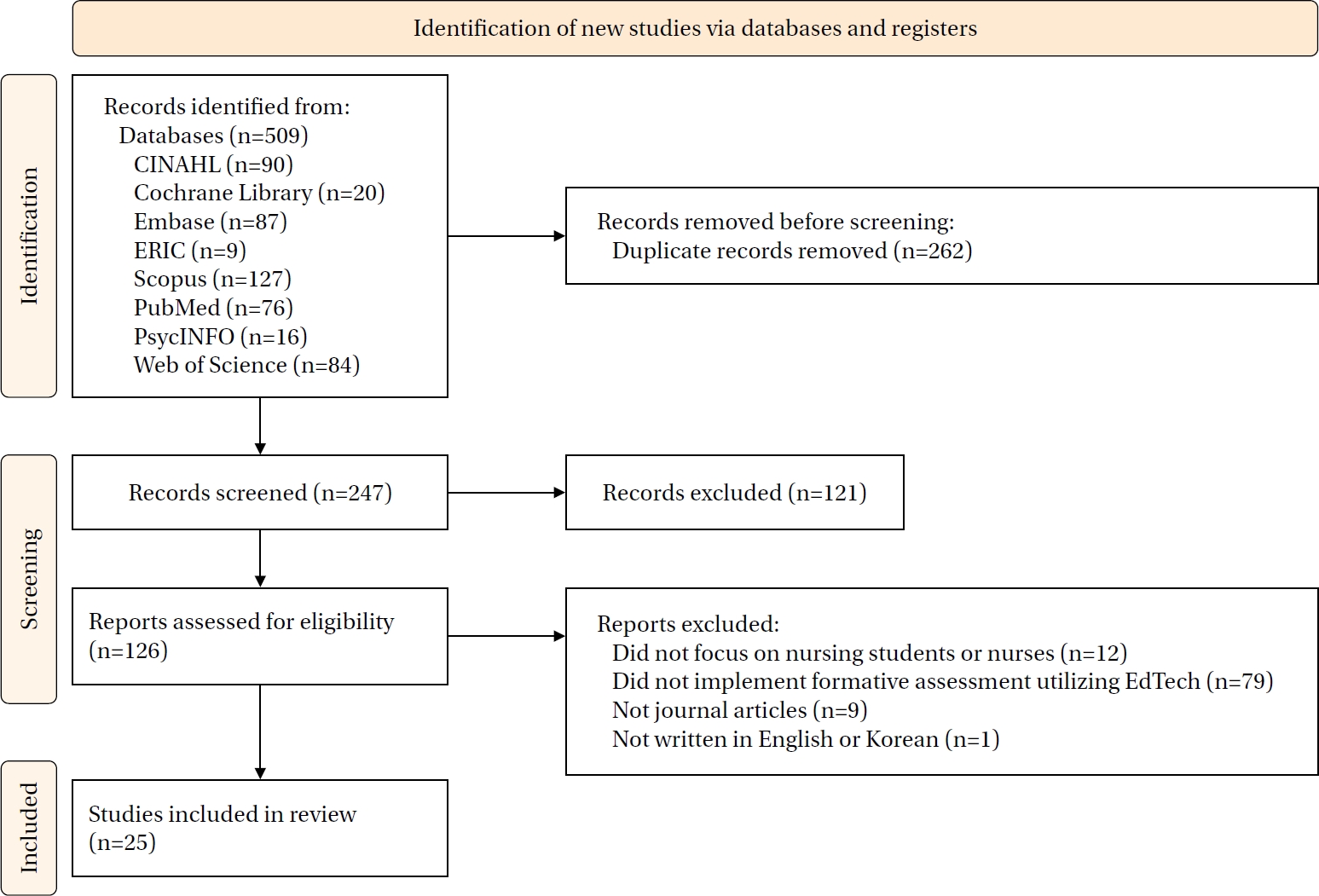
The processes of literature searching and study selection were conducted in accordance with the Preferred Reporting Items for Systematic Reviews and Meta-Analyses extension for Scoping Reviews (PRISMA-ScR) checklist (
Figure 1). A total of 509 articles were identified: 90 from CINAHL, 20 from the Cochrane Library, 87 from Embase, nine from ERIC, 127 from Scopus, 76 from PubMed, 16 from PsycINFO, and 84 from Web of Science. After removing 262 duplicate records, 247 articles remained for screening. Three researchers independently reviewed the titles and abstracts of these 247 articles. Discrepancies in study selection were resolved through research meetings until consensus was reached. The inclusion criteria were studies published in academic journals that addressed formative assessment utilizing educational technology for nursing students or nurses. The exclusion criteria were as follows: (1) dissertations, conference posters or abstracts, and books, and (2) studies published in languages other than Korean or English. As a result, the full texts of 126 articles were assessed for eligibility. Of these, 11 studies did not focus on nurses or nursing students, 79 did not implement formative assessment utilizing educational technology, nine were not journal articles, and one was published in a language other than Korean or English. Ultimately, 25 articles met all inclusion criteria and were included in the final analysis.
Data from the 25 included articles were charted using a standardized data charting form developed for this review. The form captured the following information: (1) characteristics of the selected studies, including author, year, study design, and participants; (2) educational technology, including the type and sub-type used for formative assessment; (3) formative assessment characteristics, including course, content, and assessment method; and (4) educational feedback characteristics, including provider, timing, and specificity. Three researchers independently extracted and recorded relevant data using this charting form. To enhance transparency, an example of the coding framework applied to one included study is presented in
Supplementary Table 1.
The study followed the PRISMA-ScR checklist to ensure comprehensive and transparent reporting of the scoping review process. The three researchers compared their analysis results and identified studies with discrepant evaluations. These studies were subsequently re-examined and discussed until full consensus was achieved, after which the extracted data were finalized. Several included studies exhibited methodological limitations, such as insufficient reporting of the reliability or validity of measurement instruments, the use of single-group designs without control groups that limited causal inference, and small sample sizes or reliance on descriptive statistical analyses, which reduced the generalizability of findings. However, all studies clearly articulated their research questions, and the data collected were consistently judged by the three reviewers to be adequate for addressing those questions. Because a scoping review emphasizes comprehensive mapping of the literature rather than study exclusion based on quality, all studies that met the inclusion criteria were retained. Following both independent and consensus-based review, all included studies were considered to meet minimum methodological standards and were included in the final synthesis. The results describe the general characteristics of the studies, the educational technologies employed, the formative assessment approaches used, and the characteristics of educational feedback. After completion of the search and review process, the literature was collated, and a summary of article characteristics was presented in
Table 1.
Ethical approval was exempted by the Institutional Review Board of Ewha Womans University (IRB No. ewha-202311-0007-01), as this study was a scoping review of published literature.
RESULTS
1. Characteristics of Selected Studies
A total of 25 articles published between 2006 and 2025 were analyzed (
Supplementary Data 1). Of these, nine articles were published between 2006 and 2019 [A1-9], and 16 were published between 2020 and 2025 [A10-25]. Articles published in the last five years accounted for more than half of the included studies (n=16), indicating growing interest in educational technology-based formative assessment in nursing education. Geographically, among the 25 articles, one study [A18] did not report identifiable geographic information, while the remaining 24 articles were conducted in the following locations: six in the USA [A2,A5,A7,A8,A11,A23]; three in Sweden [A6,A10,A21]; two each in Australia [A12,A24], China [A17,A20], Taiwan [A13,A16], and the UK [A1,A4]; and one each in Austria [A22], Brazil [A3], Canada [A9], Iran [A25], Morocco [A19], and Turkey [A14]. In addition, one study was conducted jointly in Ireland and Italy [A15]. Quantitative studies were the most common (n=14) [A1,A3-5,A7,A8,A14-18,A20,A23,A25], followed by mixed-methods studies (n=8) [A2,A9-13,A22,A24], qualitative studies (n=2) [A6,A21], and one methodological study (n=1) [A19]. Among the 25 reviewed articles, excluding the methodological study, participant characteristics in the remaining 24 articles showed that 21 studies involved nursing students [A1-10,A12-18,A20,A22,A24,A25], two involved nurses [A11,A23], and one included both nursing students and nurses [A21].
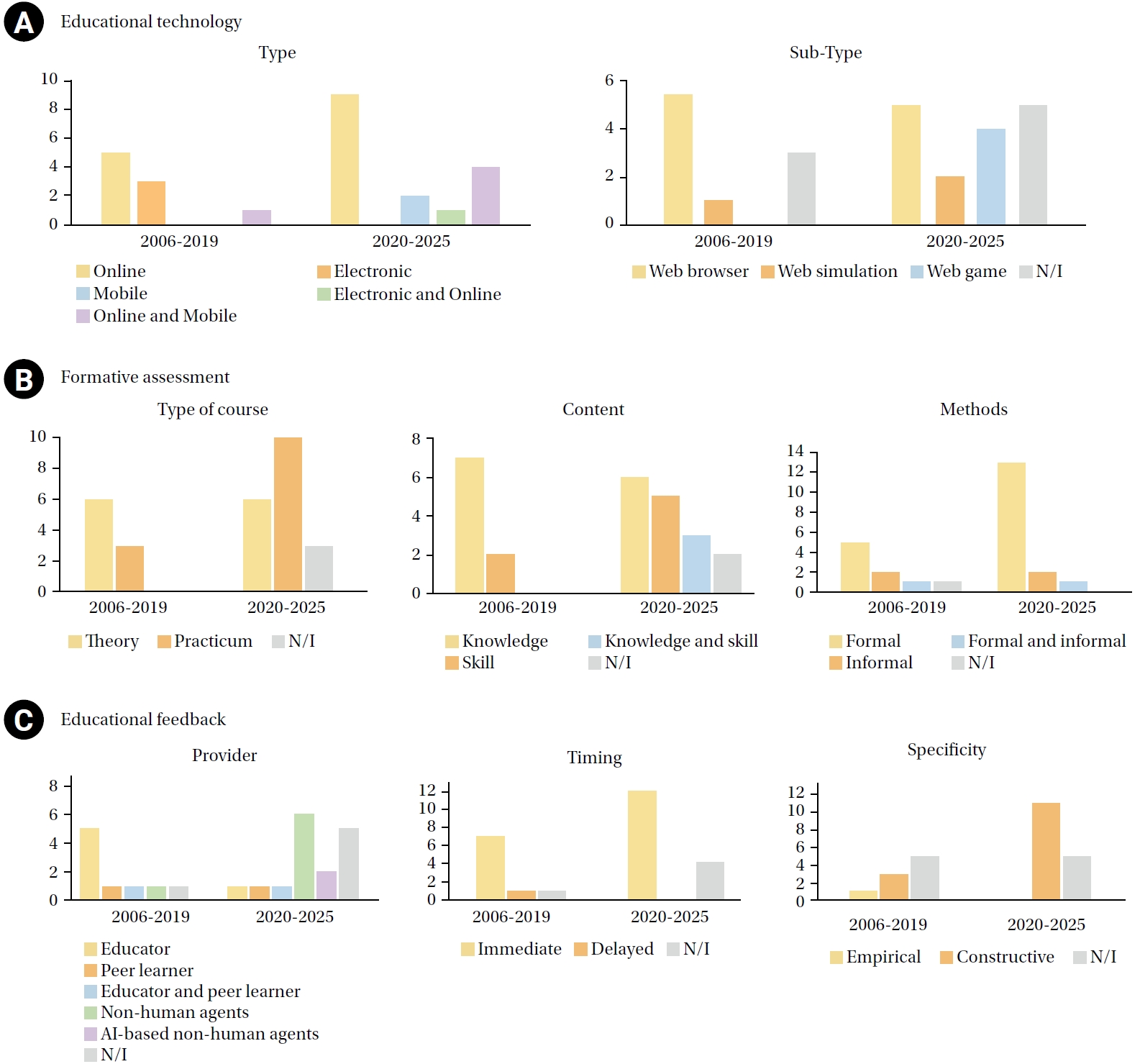
The analysis identified three key themes: educational technology, formative assessment, and educational feedback (
Table 2,
Figure 2).
1) Educational technology
Five types of educational technology were identified: online (n=14) [A1,A3,A5,A6,A8,A11-13,A17,A20,A22-25], mobile (n=2) [A19,A21], electronic (n=3) [A2,A4,A7], electronic and online (n=1) [A10], and online and mobile (n=5) [A9,A14-16,A18]. Prior to 2020, online (n=5) [A1,A3,A5,A6,A8] and electronic (n=3) [A2,A4,A7] technologies were used at similar frequencies, whereas after 2020, the combined use of online and mobile technologies (n=5) [A9,A14-16,A18] newly emerged.
Three sub-types of educational technology were identified, excluding eight articles in which sub-types were not specified [A4,A7,A9,A10,A16,A21,A22,A24]: web browser (n=10) [A1-3,A5,A8,A11,A13,A20,A23,A25], web game (n=4) [A14,A15,A18,A19], and web simulation (n=3) [A6,A12,A17]. The web browser was the most frequently utilized sub-type across the entire study period. After 2020, web games emerged alongside the expansion of mobile educational technology. Web browsers were consistently reported in studies published between 2006 and 2025. Web simulations were first reported in 2016 and appeared intermittently thereafter. Following 2020, web games were increasingly reported, primarily in studies published between 2021 and 2023.
2) Formative assessment
After excluding three articles in which the course type was not identified [A16,A19,A24], two course types were identified: theory (n=9) [A2-5,A8-10,A18,A20] and practicum (n=13) [A1,A6,A7,A11-15,A17,A21-23,A25]. Before 2020, formative assessment was primarily implemented in theoretical courses (n=6) [A2-5,A8,A9]. In these courses, audience response systems were used to facilitate real-time student discussion [A2,A4]. In addition, peer evaluation was conducted using Google Forms [A5], and real-time educational feedback was provided through case-based learning and gamification approaches [A8]. Overall, theoretical courses predominantly employed knowledge-based formal assessments. After 2020, formative assessment was more frequently applied in practicum courses (n=10) [A11-15,A17,A21-23,A25], with practicum-based applications increasing notably from 2021 onward.
After excluding two articles with unidentified formative assessment content [A17,A19], three categories of assessment content were identified: knowledge (n=13) [A2-6,A8-11,A15,A16,A18,A20], skill (n=7) [A1,A7,A12,A13,A21,A23,A25], and combined knowledge and skill (n=3) [A14,A22,A24]. Prior to 2020, assessments primarily focused on knowledge (n=7) [A2-6,A8,A9]. After 2020, there was a shift toward assessing skills (n=4) [A12,A13,A21,A25] or integrating both knowledge and skills (n=3) [A14,A22,A24]. From 2008 to 2021, formative assessment largely emphasized knowledge, whereas after 2021, studies increasingly assessed skills or combined competencies.
After excluding one article with unidentified formative assessment methods, three assessment methods were identified: formal (n=18) [A1,A2,A4,A6,A8,A10-12,A14-19,A21,A22,A24,A25], informal (n=4) [A5,A7,A13,A23], and a combination of formal and informal methods (n=2) [A3,A20]. Formal methods, such as quizzes and classroom tests, were the most commonly used forms of formative assessment, whereas informal methods, including discussion and peer feedback, were used less frequently.
3) Educational feedback
After excluding six articles in which educational feedback providers were not identified [A9,A10,A17,A18,A21,A24], five types of feedback providers were identified: educators (n=7) [A1-4,A8,A20,A25], peer learners (n=2) [A7,A13], a combination of educators and peer learners (n=2) [A5,A16], non-human agents (n=6) [A6,A12,A14,A15,A19,A22], and artificial intelligence (AI)-based non-human agents (n=2) [A11,A23]. Before 2020, educational feedback was primarily delivered by educators (n=5) [A1-4,A8]. Combined educator and peer learner feedback was reported in 2016 [A5] and again in 2022 [A16]. From 2020 onward, educational feedback was most commonly provided by non-human agents (n=5) [A12,A14,A15,A19,A22].
Across the 25 articles, two feedback timing types were identified: immediate (n=19) [A1-7,A11-15,A18-20,A22-25] and delayed (n=1) [A8]. Immediate feedback predominated, while five articles did not specify feedback timing.
In 15 articles, the specificity of educational feedback was reported as empirical (n=1) [A1] or constructive (n=14) [A2,A5,A8,A11-15,A18,A19,A22-25]. Constructive feedback was consistently reported across all publication periods, whereas empirical feedback appeared only once, in 2006. Ten articles did not specify the type of educational feedback provided.
DISCUSSION
This study conducted a scoping review of 25 articles addressing formative assessment utilizing educational technology in nursing education. In addition, the study identified publication trends and sought approaches for developing strategies to enhance educational technology-based formative assessment in nursing education. Because nursing education requires the ongoing integration of theory, skills, and clinical practice, formative assessment holds substantial pedagogical value. It supports learners’ continuous monitoring and reflection, helping to bridge classroom learning with clinical application and to sustain meaningful learning progression.
Analysis of the 25 articles indicated that online technology was the most frequently utilized modality. Online formative assessment can provide immediate and personalized feedback, which enhances learning outcomes and promotes self-directed learning, thereby supporting the development of student autonomy and agency [
18]. Similarly, an integrative review reported that online formative assessment in nursing education improves knowledge acquisition, examination performance, and learner confidence and satisfaction [
15]. However, in the absence of explicit instructional design guidelines, online formative assessment may not effectively promote learner communication, participation, or self-directed learning [
19]. To address these challenges, educators must acquire competencies related to the implementation of well-defined instructional design strategies. Li et al. [
20] found that nurse educators’ age, teaching experience, and awareness of digital technology were significantly associated with digital literacy. Senior faculty may benefit from targeted training in educational technology, whereas junior faculty may require integrated development in both pedagogy and educational technology. Accordingly, institutions should prioritize sustainable support mechanisms, such as tailored faculty development programs, to strengthen nurse educators’ assessment design competencies.
After 2020, mobile technology began to be newly utilized as an emerging form of educational technology. However, this shift does not necessarily indicate a heightened interest in mobile technology specifically for formative assessment, but may instead reflect the broader expansion of mobile-based education. This interpretation is supported by Chang et al. [
21], who reported an increase in mobile-based learning studies in nursing education from 24 before 2020 to 77 after 2020. Nikou and Economides [
22] examined 43 mobile-based assessment studies published in five major journals between 2009 and 2018 and found that 44% effectively incorporated formative assessment. Mobile technology can facilitate continuous and personalized formative assessment, enabling learners in the digital age to engage in learning conveniently anytime and anywhere [
23]. Mobile technology is particularly relevant to formative assessment in nursing education because it supports timely, context-aware feedback and facilitates learning continuity across classroom, simulation, and clinical environments, aligning with the situated and practice-oriented nature of nursing learning. Therefore, implementing formative assessment using mobile technology in nursing education may be meaningful.
However, the validity of formative assessment implemented through mobile technology must be carefully examined in light of this educational trend. In this context, country-level variation in ICT utilization represents a critical consideration when implementing mobile-based formative assessment in nursing education. Vargas-Montoya et al. [
24] demonstrated that the impact of ICT use for learning varies substantially between developed and developing countries, with high-income settings showing more consistent positive outcomes. These findings suggest that policymakers and educators should exercise caution when transferring technological interventions from developed to developing contexts. The implementation of mobile technology requires careful consideration of technical factors, including accessibility, usability, interface design, and data security, to promote educational equity and sustainability. In low-resource settings, implementation priorities should emphasize technical feasibility and equitable access, including features such as offline functionality, low-bandwidth optimization, multilingual support, and institutional capacity building for educators. In contrast, high-income countries should focus on pedagogical innovation and learner engagement, such as integrating mobile-based formative assessment with adaptive feedback, analytics dashboards, and AI-assisted feedback mechanisms to promote critical thinking and self-regulated learning. In summary, adapting implementation strategies to specific national contexts is essential to fully realize the potential of mobile-based formative assessment in nursing education. Such adaptation helps ensure that technological advancement leads to equitable and effective learning outcomes.
Since 2020, formative assessment has been implemented more frequently in practicum courses, with a greater emphasis on evaluating skills rather than knowledge. This trend suggests an increased focus on practice-oriented subjects in formative assessment utilizing educational technology in nursing education after 2020. The COVID-19 pandemic necessitated physical distancing and coincided with a rapid expansion of online health services and educational programs for healthcare professionals, thereby increasing reliance on technology to maintain continuity of education and clinical training [
25]. In this context, both the pandemic and technological advancement appear to have contributed to adaptations in educational technology-based learning environments. As a result, a notable shift toward practicum-based formative assessment has emerged. Educational technology-based formative assessment can effectively support practicum instruction. Practicum courses in nursing education are designed to facilitate adaptation to real clinical settings and emphasize the integrated development of knowledge, skills, and attitudes. In practicum contexts, formative assessment approaches such as clinical and return demonstrations combined with immediate feedback have been shown to enhance students’ performance in nursing procedures and support the development of essential competencies [
11]. Therefore, incorporating educational technology-based formative assessment into practicum courses is particularly meaningful for the development of nursing skills.
In formative assessment, providing immediate and specific educational feedback after assessment is recommended [
26]. Most studies reviewed in this research delivered educational feedback immediately and constructively; however, these findings should be interpreted with caution because many studies did not clearly specify the timing and specificity of feedback. High-quality feedback is timely, specific, and constructive, providing students with clear guidance regarding strengths, areas for improvement, and strategies for progress [
27]. This process may be regarded as essential to achieving the primary objective of formative assessment, namely assessment for learning. The effectiveness of educational feedback, a core element of formative assessment, varies according to timing, specificity, and spacing [
9]. Therefore, the absence of explicit information on feedback timing and specificity in several studies represents a significant limitation. Future research in nursing education should incorporate instructional design processes that explicitly address the timing and specificity of feedback to optimize formative assessment outcomes.
The use of AI can effectively facilitate the provision of immediate and specific educational feedback. Automated AI-based feedback systems are capable of delivering real-time diagnostics and tailored responses during the learning process [
28]. In a systematic review of AI applications in student assessment, Gonzalez-Calatayud et al. [
29] reported that 15 of 22 articles employed AI for formative assessment. In the context of nursing education, however, only two articles examined AI-based non-human agents providing educational feedback, indicating that the current evidence base is insufficient for generalization. Although existing research has primarily focused on the implementation of non-human agents for educational feedback, these initiatives provide a foundation for subsequent investigations into AI-based non-human agents. AI has the potential to reduce educators’ workload in simulation-based learning and objective structured clinical examinations, where timely and appropriate feedback is critical. Therefore, in contrast to earlier studies that focused mainly on feasibility and limited acceptability, further research is needed to evaluate the effectiveness of AI-based formative assessment.
However, the implementation of AI systems may reduce learner–educator interaction by limiting opportunities for dialogic engagement and personalized mentorship. Seo et al. [
30] reported that although AI can improve the scale and timeliness of communication, participants expressed concerns regarding violations of social boundaries, shifts in responsibility, and unclear authority structures when human instructors are less involved. AI-generated feedback systems may also disrupt the natural flow of educator-student interaction and weaken relational bonds in educational contexts [
31]. Furthermore, ethical concerns related to data privacy, algorithmic bias, transparency, and accountability become more pronounced with the adoption of AI technologies. Sengul et al. [
32], in an integrative review of AI in nursing education, highlighted ethical challenges including bias in training data, inequities in access, cultural sensitivity issues, and concerns regarding accuracy, integrity, and academic responsibility. To mitigate these risks, AI-based formative assessment should incorporate a human-in-the-loop approach, provide clear explanations to help students understand how feedback is generated, and preserve opportunities for educator intervention and override. Institutional policies should mandate robust data governance, regular fairness audits of AI algorithms, and ongoing ethical oversight during implementation.
CONCLUSION
This scoping review analyzed the application of educational technology-based formative assessment in nursing education, identified current practices, and proposed directions for future research. The findings indicate a growing trend toward integrating formative assessment into practicum courses through the use of non-human agents to deliver educational feedback. Given the limited implementation of AI-based non-human agents, further research is needed to evaluate their effectiveness within nursing education contexts. Effective implementation of educational technology-based formative assessment requires strengthening nurse educators’ digital literacy and instructional design competence, including the development of systematic formative feedback frameworks and their integration into curricula. National and institutional policies should support sustainable educational systems by enhancing educators’ digital literacy and instructional design skills, ensuring equitable access to digital infrastructure, and establishing ethical guidelines for AI-generated feedback to promote fairness and transparency in education.
This study was limited to articles published in English and Korean and lacked complete information on some key themes, which may have affected the comprehensiveness and interpretability of the findings. Despite these limitations, the review provides valuable insights into current trends, identifies important research gaps, and establishes a foundation for the implementation of educational technology-based formative assessment in nursing education.
-
CONFLICTS OF INTEREST
The authors declared no conflict of interest.
-
AUTHORSHIP
Study conception and design acquisition - SS; data collection -EH, ML, and ML; analysis and interpretation of the data - SS, EH, ML, and ML; and drafting or critical revision of the manuscript for important intellectual content- SS, EH, ML, and ML.
-
Funding
This work was supported by the National Research Foundation of Korea (NRF) grant funded by the Korea government (MSIT) (No. 2023R1A2C2006838).
-
ACKNOWLEDGEMENT
None.
-
DATA AVAILABILITY STATEMENT
The data can be obtained from the corresponding authors.
SUPPLEMENTARY MATERIAL
Figure 1.Article selection process. CINAHL=Cumulative Index to Nursing and Allied Health Literature; EdTech=educational technology; ERIC=Education Resources Information Center.
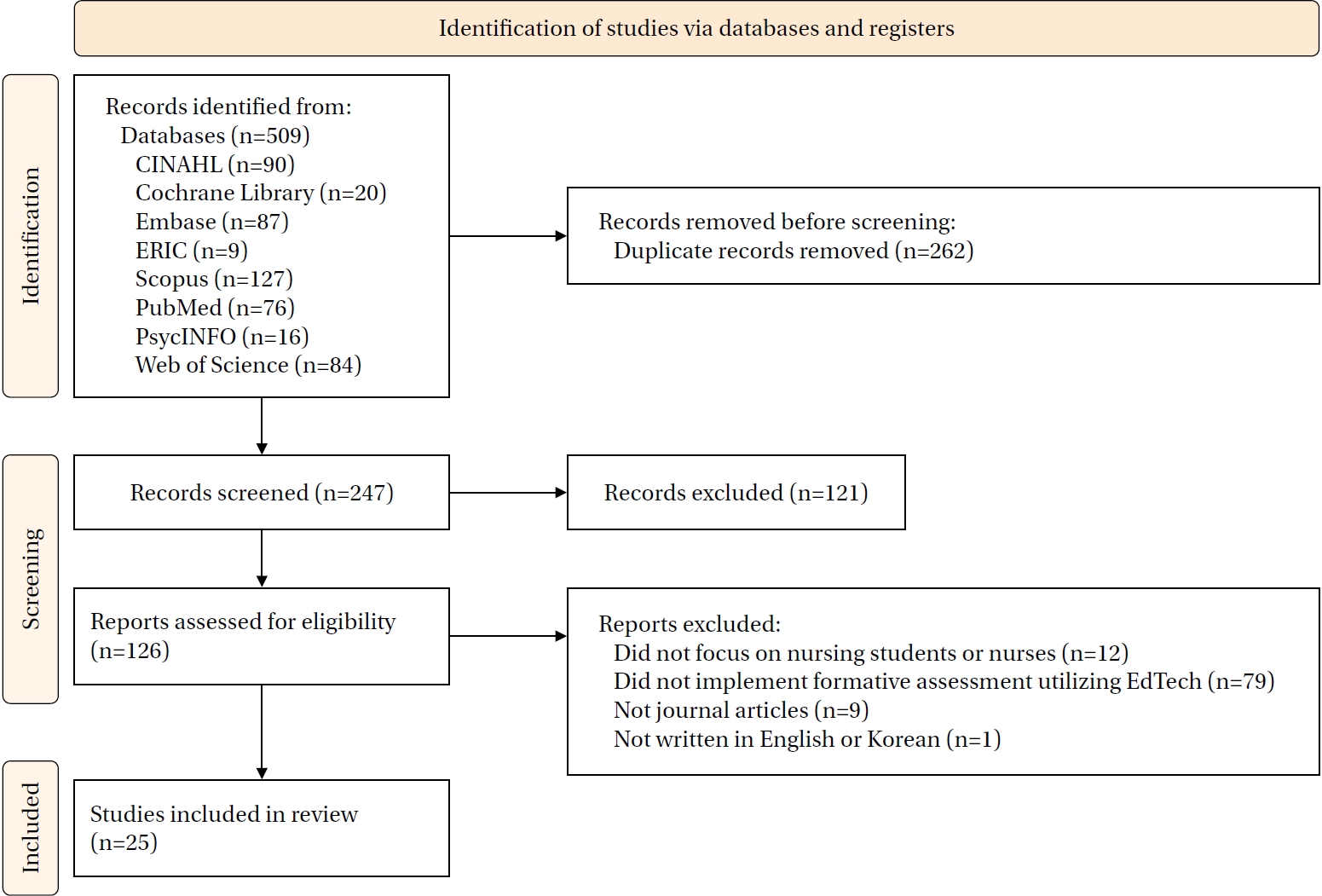
Figure 2.Classification of formative assessment and feedback utilizing educational technology: a comparison between 2006–2019 and 2020–2025. AI=artificial intelligence; N/I=no information.
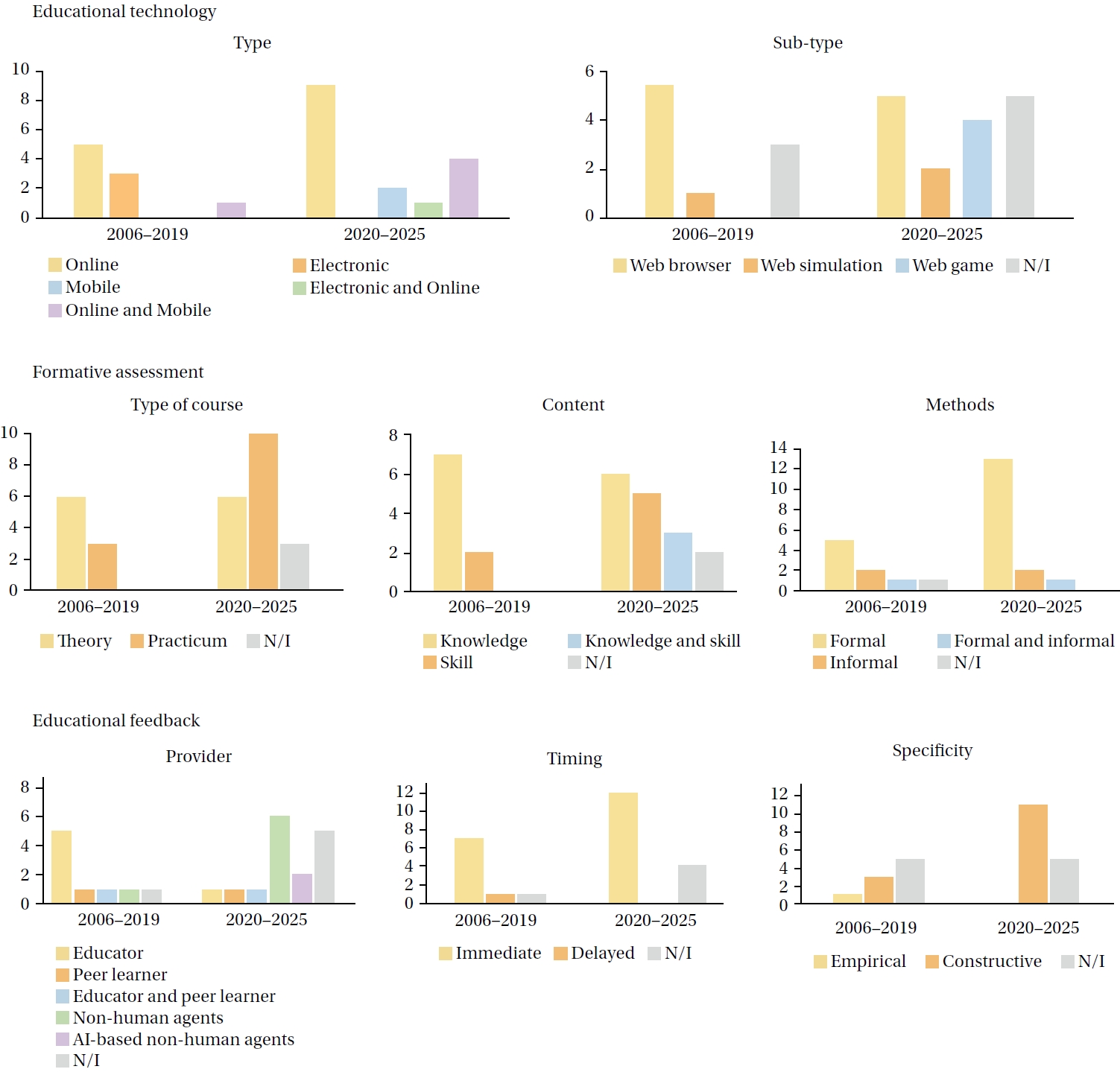
Table 1.Characteristics of the Studies Included
|
Study no. |
Authors (year) |
Country |
Methodology and research design |
Sample |
|
A1 |
Little (2006) |
UK |
Quantitative |
Undergraduate nursing students (n=177) |
|
A2 |
DeBourgh (2008) |
USA |
Mixed methods |
Undergraduate nursing students (n=65) |
|
A3 |
Rangel et al. (2010) |
Brazil |
Quantitative |
Undergraduate nursing students (n=44) |
|
A4 |
Efstathiou and Bailey (2012) |
UK |
Quantitative |
Undergraduate nursing students (n=195) |
|
A5 |
Adwan (2016) |
USA |
Quantitative |
Undergraduate nursing students (n=279) |
|
A6 |
Forsberg et al. (2016) |
Sweden |
Qualitative |
Graduate nursing students (n=14) |
|
A7 |
Gabriele et al. (2016) |
USA |
Quantitative |
Undergraduate nursing students (n=70) |
|
A8 |
Mackavey and Cron (2019) |
USA |
Quantitative |
Graduate nursing students (n=522) |
|
A9 |
Sheng et al. (2019) |
Canada |
Mixed methods |
Undergraduate nursing students (n=236) |
|
A10 |
Ahlstrom and Holmberg (2021) |
Sweden |
Mixed methods |
Undergraduate nursing students (n=246) |
|
A11 |
Darnell et al. (2021) |
USA |
Mixed methods |
Nurses (n=30) |
|
A12 |
Fernandez-Nieto et al. (2021) |
Australia |
Mixed methods |
Undergraduate nursing students (n=39) |
|
A13 |
Lin (2022) |
Taiwan |
Mixed methods |
Graduate nursing students (n=74) |
|
A14 |
Oz and Ordu (2021) |
Turkey |
Quantitative |
Undergraduate nursing students (n=110) |
|
A15 |
Coveney et al. (2022) |
Ireland and Italy |
Quantitative |
Nursing students (n=83) |
|
A16 |
Lin et al. (2021) |
Taiwan |
Quantitative |
Undergraduate nursing students (n=52) |
|
A17 |
Zhang et al. (2022) |
China |
Quantitative |
Intern nursing students (n=144); |
|
Junior college (n=13); |
|
Undergraduate (n=26); |
|
Postgraduate and above (n=2) |
|
A18 |
Cadet (2023) |
N/I |
Quantitative |
Undergraduate nursing students (n=37) |
|
A19 |
Lajane et al. (2023) |
Morocco |
Methodological |
N/A |
|
A20 |
Ma et al. (2023) |
China |
Quantitative |
Undergraduate nursing students (n=185) |
|
A21 |
Nilsson et al. (2023) |
Sweden |
Qualitative |
Undergraduate nursing students and nurses (n=27) |
|
A22 |
Say et al. (2023) |
Austria |
Mixed methods |
Undergraduate nursing students (n=802) |
|
A23 |
Darnell et al. (2024) |
USA |
Quantitative |
Nurses (n=18) |
|
A24 |
Say et al. (2024) |
Australia |
Mixed methods |
Undergraduate nursing students (n=1,082) |
|
A25 |
Khalafi et al. (2025) |
Iran |
Quantitative |
Graduate nursing students (n=62) |
Table 2.Classification of Formative Assessment and Feedback Utilizing Educational Technology
|
Study no. |
Educational technology |
Formative assessment |
Educational feedback |
|
Type |
Sub-type |
Course |
Content |
Method |
Provider |
Timing |
Specificity |
|
A1 |
Online |
Web browser |
Practicum |
Skill |
Formal |
Educator |
Immediate |
Empirical |
|
A2 |
Electronic |
Web browser |
Theory |
Knowledge |
Formal |
Educator |
Immediate |
Constructive |
|
A3 |
Online |
Web browser |
Theory |
Knowledge |
Formal and informal |
Educator |
Immediate |
N/I |
|
A4 |
Electronic |
N/I |
Theory |
Knowledge |
Formal |
Educator |
Immediate |
N/I |
|
A5 |
Online |
Web browser |
Theory |
Knowledge |
Informal |
Educator and peer learner |
Immediate |
Constructive |
|
A6 |
Online |
Web simulation |
Practicum |
Knowledge |
Formal |
Non-human agents |
Immediate |
N/I |
|
A7 |
Electronic |
Video |
Practicum |
Skill |
Informal |
Peer learner |
Immediate |
N/I |
|
A8 |
Online |
Web browser |
Theory |
Knowledge |
Formal |
Educator |
Delayed |
Constructive |
|
A9 |
Online and mobile |
N/I |
Theory |
Knowledge |
N/I |
N/I |
N/I |
N/I |
|
A10 |
Electronic and online |
N/I |
Theory |
Knowledge |
Formal |
N/I |
N/I |
N/I |
|
A11 |
Online |
Web browser |
Practicum |
Knowledge |
Formal |
AI-based non-human agents |
Immediate |
Constructive |
|
A12 |
Online |
Web simulation |
Practicum |
Skill |
Formal |
Non-human agents |
Immediate |
Constructive |
|
A13 |
Online |
Web browser |
Practicum |
Skill |
Informal |
Peer learner |
Immediate |
Constructive |
|
A14 |
Online and mobile |
Web game |
Practicum |
Knowledge and skill |
Formal |
Non-human agents |
Immediate |
Constructive |
|
A15 |
Online and mobile |
Web game |
Practicum |
Knowledge |
Formal |
Non-human agents |
Immediate |
Constructive |
|
A16 |
Online and mobile |
N/I |
N/I |
Knowledge |
Formal |
Educator and peer learner |
N/I |
N/I |
|
A17 |
Online |
Web simulation |
Practicum |
N/I |
Formal |
N/I |
N/I |
N/I |
|
A18 |
Online and mobile |
Web game |
Theory |
Knowledge |
Formal |
N/I |
Immediate |
Constructive |
|
A19 |
Mobile |
Web game |
N/I |
N/I |
Formal |
Non-human agents |
Immediate |
Constructive |
|
A20 |
Online |
Web browser |
Theory |
Knowledge |
Formal and informal |
Educator |
Immediate |
N/I |
|
A21 |
Mobile |
N/I |
Practicum |
Skill |
Formal |
N/I |
N/I |
N/I |
|
A22 |
Online |
N/I |
Practicum |
Knowledge and skill |
Formal |
Non-human agents |
Immediate |
Constructive |
|
A23 |
Online |
Web browser |
Practicum |
Skill |
Informal |
AI-based non-human agents |
Immediate |
Constructive |
|
A24 |
Online |
N/I |
N/I |
Knowledge and skill |
Formal |
N/I |
Immediate |
Constructive |
|
A25 |
Online |
Web browser |
Practicum |
Skill |
Formal |
Educator |
Immediate |
Constructive |
REFERENCES
- 1. Iivari N, Sharma S, Venta-Olkkonen L. Digital transformation of everyday life: how COVID-19 pandemic transformed the basic education of the young generation and why information management research should care? Int J Inf Manage. 2020;55:102183. https://doi.org/10.1016/j.ijinfomgt.2020.102183
- 2. Aceto G, Persico V, Pescape A. A survey on information and communication technologies for industry 4.0: state-of-the-art, taxonomies, perspectives, and challenges. IEEE Commun Surv Tutor. 2019;21(4):3467-501. https://doi.org/10.1109/COMST.2019.2938259
- 3. Bozkurt A. Educational technology research patterns in the realm of the digital knowledge age. J Interact Media Educ. 2020;2020(1):18. https://doi.org/10.5334/jime.570
- 4. Bozkurt A, Karakaya K, Turk M, Karakaya O, Castellanos-Reyes D. The impact of COVID-19 on education: a meta-narrative review. TechTrends. 2022;66(5):883-96. https://doi.org/10.1007/s11528-022-00759-0
- 5. Amankwaa I, Boateng D, Quansah DY, Akuoko CP, Desu AP, Hales C. Innovations in nursing education in response to the COVID-19 pandemic: a scoping review. Nurs Prax Aotearoa N Z. 2022;38(3):1-16. https://doi.org/10.36951/001c.55768
- 6. Mannisto M, Mikkonen K, Kuivila HM, Virtanen M, Kyngas H, Kaariainen M. Digital collaborative learning in nursing education: a systematic review. Scand J Caring Sci. 2020;34(2):280-92. https://doi.org/10.1111/scs.12743
- 7. Webb L, Clough J, O'Reilly D, Wilmott D, Witham G. The utility and impact of information communication technology (ICT) for pre-registration nurse education: a narrative synthesis systematic review. Nurse Educ Today. 2017;48:160-71. https://doi.org/10.1016/j.nedt.2016.10.007
- 8. Andrade H. Classroom assessment in the context of learning theory and research. In: McMillan JH, editor. Classroom assessment in the context of learning theory and research. Thousand Oaks, CA: SAGE Publications Inc.; 2013. p. 17-34.
- 9. Morris R, Perry T, Wardle L. Formative assessment and feedback for learning in higher education: a systematic review. Rev Educ. 2021;9(3):e3292. https://doi.org/10.1002/rev3.3292
- 10. Mackintosh-Franklin DC. An evaluation of formative feedback and its impact on undergraduate student nurse academic achievement. Nurse Educ Pract. 2021;50:102930. https://doi.org/10.1016/j.nepr.2020.102930
- 11. Meenakumari N. Assessment of effectiveness of formative assessment on academic excellence among paramedical students. Int J Nurs Educ Res. 2017;5(2):127-30. https://doi.org/10.5958/2454-2660.2017.00026.6
- 12. Msosa A, Bruce J, Crouch R. Effect of a formative assessment intervention on nursing skills laboratory learning in a resource-constrained country. Nurse Educ Today. 2021;97:104677. https://doi.org/10.1016/j.nedt.2020.104677
- 13. Nahm ES, Archibald M, Mills ME, Costa L, Warren J, Nair P, et al. Continuum of nursing education and practice: time to close the chasm between academia and practice. J Prof Nurs. 2023;46:134-40. https://doi.org/10.1016/j.profnurs.2023.02.012
- 14. Fuentes-Cimma J, Sluijsmans D, Riquelme A, Villagran I, Isbej L, Olivares-Labbe MT, et al. Designing feedback processes in the workplace-based learning of undergraduate health professions education: a scoping review. BMC Med Educ. 2024;24(1):440. https://doi.org/10.1186/s12909-024-05439-6
- 15. Say R, Visentin D, Cummings E, Carr A, King C. Formative online multiple-choice tests in nurse education: an integrative review. Nurse Educ Pract. 2022;58:103262. https://doi.org/10.1016/j.nepr.2021.103262
- 16. Stenberg M, Mangrio E, Bengtsson M, Carlson E. Formative peer assessment in higher healthcare education programmes: a scoping review. BMJ Open. 2021;11(2):e045345. https://doi.org/10.1136/bmjopen-2020-045345
- 17. Arksey H, O'Malley L. Scoping studies: towards a methodological framework. Int J Soc Res Methodol. 2005;8(1):19-32. https://doi.org/10.1080/1364557032000119616
- 18. McLaughlin T, Yan Z. Diverse delivery methods and strong psychological benefits: a review of online formative assessment. J Comput Assist Learn. 2017;33(6):562-74. https://doi.org/10.1111/jcal.12200
- 19. Ma T, Yuan H, Yang X, Li Y, Yao J, Mu D. Design of online formative assessment of nursing humanities curriculum during the COVID-19 pandemic: a teaching practice research. Nurse Educ Today. 2023;128:105874. https://doi.org/10.1016/j.nedt.2023.105874
- 20. Li P, Tan R, Yang T, Meng L. Current status and associated factors of digital literacy among academic nurse educators: a cross-sectional study. BMC Med Educ. 2025;25(1):16. https://doi.org/10.1186/s12909-024-06624-3
- 21. Chang CY, Lai CL, Hwang GJ. Trends and research issues of mobile learning studies in nursing education: a review of academic publications from 1971 to 2016. Comput Educ. 2018;116:28-48. https://doi.org/10.1016/j.compedu.2017.09.001
- 22. Nikou SA, Economides AA. Mobile-based assessment: A literature review of publications in major referred journals from 2009 to 2018. Comput Educ. 2018;125:101-19. https://doi.org/10.1016/j.compedu.2018.06.006
- 23. Bhati A, Song I. New methods for collaborative experiential learning to provide personalised formative assessment. Int J Emerg Technol Learn. 2019;14(7):179-95. https://doi.org/10.3991/ijet.v14i07.9173
- 24. Vargas-Montoya L, Gimenez G, Fernandez-Gutierrez M. ICT use for learning and students' outcomes: does the country's development level matter? Socio Econ Plan Sci. 2023;87(Part A):101550. https://doi.org/10.1016/j.seps.2023.101550
- 25. Jeffries PR, Bushardt RL, DuBose-Morris R, Hood C, Kardong-Edgren S, Pintz C, et al. The role of technology in health professions education during the COVID-19 pandemic. Acad Med. 2022;97(3S):S104-9. https://doi.org/10.1097/ACM.0000000000004523
- 26. Sung TJ. Modern educational assessment. 5th ed. Seoul: Hakjisa; 2019.
- 27. Haughney K, Wakeman S, Hart L. Quality of feedback in higher education: a review of literature. Educ Sci. 2020;10(3):60. https://doi.org/10.3390/educsci10030060
- 28. Deeva G, Bogdanova D, Serral E, Snoeck M, De Weerdt J. A review of automated feedback systems for learners: classification framework, challenges and opportunities. Comput Educ. 2021;162:104094. https://doi.org/10.1016/j.compedu.2020.104094
- 29. Gonzalez-Calatayud V, Prendes-Espinosa P, Roig-Vila R. Artificial intelligence for student assessment: a systematic review. Appl Sci. 2021;11(12):5467. https://doi.org/10.3390/app11125467
- 30. Seo K, Tang J, Roll I, Fels S, Yoon D. The impact of artificial intelligence on learner-instructor interaction in online learning. Int J Educ Technol High Educ. 2021;18(1):54. https://doi.org/10.1186/s41239-021-00292-9
- 31. Zhu M, Wang C. A systematic review of research on AI in language education: current status and future implications. Lang Learn Technol. 2025;29(1):1-29. https://doi.org/10.64152/10125/73606
- 32. Sengul T, Sarikose S, Gul A. Ethical decision-making and artificial intelligence in nursing education: an integrative review. Nurs Ethics. 2025;32(8):2490-515. https://doi.org/10.1177/09697330251366600




 E-SUBMISSION