Abstract
-
Purpose
Guided by Kolcaba’s Comfort Theory, this study aimed to identify predictors of comfort among patients with hepatocellular carcinoma after liver resection.
-
Methods
This cross-sectional predictive correlational study included 132 patients with hepatocellular carcinoma who underwent liver resection in Wenzhou, China. Demographic and clinical characteristics, including age, were collected. Comfort, pain severity, pain interference, perceived social support, and early mobilization were assessed using validated instruments. Data were analyzed using descriptive statistics, the independent-samples t-test, one-way analysis of variance, Pearson correlation coefficients, and standard multiple linear regression.
-
Results
Participants reported a moderate overall level of comfort. In the multiple regression model, pain interference (β=−.25, p=.008) and perceived social support (β=.39, p<.001) were significant predictors of comfort, with perceived social support emerging as the strongest predictor. Pain severity (β=−.09, p=.287), age (β=−.09, p=.264), and early mobilization (β=.01, p=.909) were not significant predictors. The regression model was statistically significant and explained 27% of the variance in comfort (R²=.27, F=9.20, p<.001).
-
Conclusion
Perceived social support and pain interference were independently associated with postoperative comfort among patients with hepatocellular carcinoma following liver resection. These findings highlight the importance of comprehensive pain management and nursing strategies that strengthen social support; such interventions may help improve postoperative comfort and recovery.
-
Key Words: Hepatectomy; Hepatocellular carcinoma; Pain; Patient comfort; Social support
INTRODUCTION
In 2022, liver cancer ranked as the sixth most commonly diagnosed cancer and the third leading cause of cancer-related death worldwide [
1]. Hepatocellular carcinoma (HCC) is the most common primary liver malignancy, and liver resection (LR) remains the primary curative treatment for patients with early-stage disease and adequate liver function [
2-
4]. Although LR can provide favorable long-term survival, it is a complex surgical procedure associated with substantial physiological stress and postoperative complications, including coagulopathy, pulmonary complications, biliary leakage, post-hepatectomy liver failure, and renal dysfunction [
5]. Furthermore, many patients undergoing LR have underlying liver disease, cirrhosis, or a history of anticancer treatment, which may complicate postoperative recovery.
During recovery from LR, patients commonly experience multidimensional discomfort, including pain, fatigue, gastrointestinal symptoms, emotional distress, and reduced social engagement. These issues extend beyond transient postoperative symptoms and may impair recovery, limit participation in rehabilitation activities, and reduce overall well-being [
6]. Evidence indicates that effective postoperative symptom management is associated with better recovery after hepatectomy. For example, optimized analgesic strategies have been associated with less postoperative pain and shorter hospital stays, underscoring the clinical relevance of comfort as a key outcome during postoperative recovery [
7]. Nevertheless, evidence regarding the factors associated with comfort among patients with HCC following LR remains limited.
This study was guided by Kolcaba’s Comfort Theory [
8,
9], which conceptualizes comfort as an immediate outcome of meeting patients’ comfort needs while accounting for intervening variables and health-seeking behaviors that promote recovery and well-being. Within this framework (
Figure 1), postoperative pain was conceptualized as a healthcare need in the physical context of comfort because it represents bodily discomfort following LR. To comprehensively represent this construct, pain was operationalized in two dimensions: pain severity, representing the intensity of physical discomfort, and pain interference, representing the extent to which pain disrupts physical functioning, daily activities, and recovery-related behaviors. Together, these dimensions represent unmet physical comfort needs that may impede the attainment of comfort. Age and perceived social support were treated as intervening variables that may influence patients’ comfort experiences but are not readily modifiable through healthcare interventions. Although Kolcaba conceptualized health-seeking behaviors as consequences of enhanced comfort, early mobilization was examined in this study as a behavioral factor that might also contribute to comfort by supporting physical recovery, reducing postoperative complications, and increasing functional independence. Comfort level was conceptualized as enhanced comfort, the theory’s primary outcome. Based on this framework, pain severity, pain interference, perceived social support, age, and early mobilization were hypothesized to predict comfort among patients with HCC following LR.
Pain and early mobilization may both shape postoperative recovery after LR. Pain is among the most common postoperative symptoms and has been associated with impaired physical functioning, delayed recovery, psychological distress, and reduced comfort among surgical patients [
10,
11]. By contrast, early mobilization is a central component of enhanced recovery after surgery (ERAS) pathways for patients undergoing LR. Evidence suggests that early ambulation supports circulation, pulmonary function, muscle strength, and functional independence, thereby facilitating recovery and potentially improving patient comfort [
12,
13]. Studies of ERAS pathways have also found associations between early mobilization and shorter hospital stays, fewer postoperative complications, and better patient-reported recovery outcomes [
6]. Because pain may limit participation in postoperative activity, whereas mobilization may promote recovery and independence, both factors may play important roles in patients’ comfort after LR.
Beyond physical recovery factors, patient characteristics and psychosocial resources may also influence comfort. Social support is an important resource during recovery from cancer surgery, and greater perceived support has been associated with better psychological adjustment, more effective coping, and greater comfort during hospitalization [
13,
14]. Age may affect comfort through differences in physiological reserve and coping capacity; older patients may be more susceptible to delayed recovery and reduced comfort after liver surgery [
12,
13]. These findings suggest that pain, early mobilization, perceived social support, and age may contribute to differences in comfort among patients with HCC following LR.
However, evidence regarding the relationships of these factors with comfort among patients with HCC after LR remains limited. Moreover, few studies have examined pain, perceived social support, age, and early mobilization simultaneously within a theory-based framework. Therefore, guided by Kolcaba’s Comfort Theory, this study examined whether these factors statistically predicted comfort among patients with HCC after LR.
METHODS
1. Study Design
This cross-sectional predictive correlational study examined factors statistically associated with comfort among patients with HCC following LR. This study was reported in accordance with the STROBE (Strengthening the Reporting of Observational Studies in Epidemiology) guidelines.
2. Setting and Participants
The study was conducted in the Department of Hepatobiliary and Pancreatic Surgery at the First Affiliated Hospital of Wenzhou Medical University, Wenzhou, Zhejiang Province, China. The target population comprised adult patients diagnosed with HCC who had undergone LR and were in the early postoperative recovery period, defined as 3 to 7 days after surgery. The inclusion criteria were as follows: (1) age ≥18 years, permitting adult informed consent and independent questionnaire completion while allowing the inclusion of young and middle-aged adults, among whom the incidence of liver cancer is increasing in China; (2) no evidence of cognitive impairment, defined as a Mini-Cog score ≥3 for patients aged ≥60 years, to support adequate comprehension and the reliability of self-reported responses; and (3) the ability to communicate in Mandarin or the Wenzhou dialect, enabling participants to understand the study procedures and questionnaire items and reducing language-related measurement bias.
The exclusion criteria were intended to reduce clinical heterogeneity and potential confounding of comfort outcomes. Patients were excluded if they were (1) currently receiving chemotherapy or radiotherapy, as treatment-related adverse effects such as fatigue, nausea, and pain could independently affect comfort and recovery; (2) diagnosed with metastatic disease, because systemic symptom burden and recovery trajectories may differ from those of patients with localized disease; (3) experiencing severe postoperative complications, such as hepatic encephalopathy, gastrointestinal hemorrhage, tumor rupture, or shock, because clinical instability could preclude safe participation and substantially alter perceived comfort; or (4) diagnosed with a psychiatric disorder, as these conditions could affect emotional processing, symptom perception, or the validity of psychometric assessments of comfort and related constructs.
Participants received no monetary or non-monetary compensation. The required sample size was estimated using G*Power ver. 3.1 (University of Düsseldorf, Düsseldorf, Germany) for multiple linear regression. Assuming a significance level of α=.05, a statistical power of .90, a moderate effect size of f²=.15, and five predictors, the minimum required sample was calculated to be 116 participants. To account for potential missing data and participant attrition, approximately 20% more participants were recruited, resulting in a target sample of 144 participants. Consequently, 144 questionnaires were distributed. After data screening, seven questionnaires with incomplete responses and four cases identified as statistical outliers based on at least one of the following criteria were excluded: absolute standardized residuals >3.0, Cook’s distance >1.0, or Mahalanobis distance with p<.001; one participant who withdrew while completing the questionnaire was also excluded. The final analytic sample comprised 132 participants, which exceeded the minimum required sample size.
3. Instruments
All instruments were administered with permission from their original developers and the authorized translators of the Chinese-language versions.
1) General characteristics
The demographic and clinical characteristics collected were age, sex, marital status, education level, annual family income, the presence of an accompanying family member during hospitalization, viral hepatitis status, body mass index (BMI), current smoking, smoking history, current and previous alcohol consumption, postoperative length of hospital stay, cancer stage, type of surgery, and postoperative complications.
2) Comfort
Comfort was assessed using the General Comfort Questionnaire (GCQ), developed by Kolcaba [
15]. The validated Chinese version, translated and culturally adapted by Zhu et al. [
16], contains 30 items covering four domains: physical, psychospiritual, sociocultural, and environmental comfort. Items are rated on a 4-point Likert scale ranging from 1 (strongly disagree) to 4 (strongly agree), with higher total scores indicating greater comfort. Negatively worded items were reverse-coded before analysis. Total scores range from 30 to 120 and were categorized as indicating low (<60), moderate (60–90), or high (>90) comfort. Mean item scores were also categorized as indicating low (<2), moderate (2–3), or high (>3) comfort. The GCQ demonstrated excellent internal consistency in a validation study (Cronbach α=.92) [
16]. Internal consistency was acceptable in the present study (Cronbach α=.86).
3) Pain
Pain was assessed using the Brief Pain Inventory (BPI), developed by Cleeland [
17] and translated into Chinese by Wang et al. [
18]. Consistent with Kolcaba’s Comfort Theory, postoperative pain was conceptualized as an unmet physical comfort need and was assessed in two dimensions: pain severity and pain interference. The BPI contains four items assessing pain severity—worst, least, average, and current pain—and seven items assessing interference with general activity, walking ability, work, mood, sleep, enjoyment of life, and relationships with others. Each item is rated on an 11-point numerical scale from 0 to 10, with higher scores indicating greater pain severity or interference. In this study, pain severity and pain interference were analyzed as separate independent variables. A mean score was calculated for each dimension and categorized as mild (1–4), moderate (5–6), or severe (7–10), according to established criteria [
19]. The Chinese version of the BPI has demonstrated excellent internal consistency (Cronbach α=.92) [
18], and internal consistency was also high in the present study (Cronbach α=.87).
4) Early mobilization
Early mobilization was assessed using the Johns Hopkins Highest Level of Mobility scale (JH-HLM), a single-item ordinal measure of the highest observed level of patient mobility during the first 24 postoperative hours. The eight consecutively scored categories are as follows: 1, lying only; 2, performing activities in bed; 3, sitting at the edge of the bed; 4, transferring to a chair; 5, standing for ≥1 minute; 6, walking ≥10 steps; 7, walking approximately ≥7.5 m (≥25 ft); and 8, walking approximately ≥75 m (≥250 ft) [
20]. Higher scores indicate greater postoperative mobility. The JH-HLM has demonstrated excellent test–retest and interrater reliability, with intraclass correlation coefficients (ICCs) ranging from 0.92 to 0.99 [
20]. In this study, JH-HLM assessments were performed by the first author and nurses working on the study ward who had received standardized training before data collection. Interrater reliability was evaluated to confirm measurement consistency, and agreement between assessors was excellent (ICC=1.00).
5) Perceived social support
Perceived social support was assessed using the the Multidimensional Scale of Perceived Social Support (MSPSS), developed by Zimet et al. [
21] and translated into Chinese by Huang et al. [
22]. The MSPSS contains 12 items rated on a 7-point Likert scale ranging from 1 (strongly disagree) to 7 (strongly agree). The items are grouped into three subscales assessing support from family, friends, and others. Higher scores indicate greater perceived social support. Total scores range from 12 to 84 and are categorized as indicating low (12–36), moderate (37–60), or high (61–84) perceived social support. The MSPSS has demonstrated good internal consistency in Chinese populations (Cronbach α=.84), and internal consistency was similarly high in the present study (Cronbach α=.86).
Data were collected from July 2024 through January 2025 using purposive sampling. Before recruitment, permission was obtained from the attending physicians, and ward nurses identified potentially eligible patients through the hospital medical information system. The nurses approached these patients initially and referred those who expressed interest to the research team. A member of the research team then provided detailed verbal and written information about the study purpose, procedures, risks, and benefits. After written informed consent had been obtained, eligibility was confirmed according to the inclusion and exclusion criteria. Demographic and clinical characteristics were obtained from participants and extracted from their electronic medical records. All questionnaire data were collected during a single study visit conducted 3 to 7 days after surgery. Recruitment continued until the target number of questionnaires had been distributed.
5. Ethical Considerations
Ethical approval was obtained from the Ethics Committee of Burapha University, Thailand (No. G-HS044/2567), and the Ethics Committee of the First Affiliated Hospital of Wenzhou Medical University, China (No. KY2024-122). All participants were informed that participation was voluntary and that they could withdraw at any time without penalty. Written informed consent was obtained before data collection. Participant anonymity was protected through the use of unique identification codes. Data were stored in encrypted electronic files accessible only to the research team. The data will be retained securely for 3 years after study completion and then permanently deleted.
6. Data Analysis
Data were analyzed using IBM SPSS ver. 29.0 (IBM Corp., Armonk, NY, USA). Statistical significance was defined as p<.05. Frequencies, percentages, means, standard deviations, and ranges were used to summarize participant characteristics and study variables. Annual family income was the only variable with missing responses: 52 participants (39.4%) did not disclose this information. To avoid listwise deletion and potential non-response bias, these cases were coded as a separate category (“Not disclosed”) and retained in all analyses. After income responses had been handled in this manner, no other missing data remained, and the full analytic sample of 132 participants was retained. Standard multiple linear regression using the enter method was performed to examine whether pain severity, pain interference, early mobilization, perceived social support, and age statistically predicted comfort.
Although education level (F=3.93, p=.005), current smoking (t=−2.53, p=.013), and postoperative length of hospital stay (F=3.16, p=.016) were significantly associated with comfort in univariate analyses, they were not included in the final regression model. Variable selection was guided by Kolcaba’s Comfort Theory and the study conceptual framework rather than by statistical significance alone. Education level and current smoking were not identified as theoretically relevant predictors of comfort within the framework. Length of hospital stay may reflect postoperative recovery status and clinical progress rather than function as an antecedent determinant of comfort. Therefore, only variables with theoretical relevance and temporal precedence were retained in the regression model.
The assumptions of multiple linear regression were evaluated before analysis. Linearity was assessed using scatterplots of comfort against each predictor. Independence of errors was supported by a Durbin-Watson statistic of 2.128. The normality of residuals was evaluated using histograms and normal P-P plots, and homoscedasticity was assessed using residual plots. Variance inflation factors ranged from 1.05 to 1.40, indicating that multicollinearity was not a concern. Cook’s distances were all well below 1, with a maximum of 0.11, and standardized residuals ranged from −1.75 to 2.40, indicating that no remaining observation was highly influential.
RESULTS
1. Participant Characteristics
Participants’ demographic and clinical characteristics are summarized in
Table 1. The mean age was 58.47 ±10.96 years (range, 32–79 years), and the largest proportion of participants were aged 61–70 years (29.5%). Most participants were male (82.6%) and married (97.7%), and the most frequently reported education level was junior high school (36.4%). Annual family income was not disclosed by 39.4% of participants, while 47.7% had an annual family income of 10,000 to less than 100,000 Chinese yuan. Most participants (93.9%) were accompanied by a family member during hospitalization.
Regarding clinical characteristics, 90.2% of participants had hepatitis B virus infection, and 56.8% had a BMI within the normal range. With respect to smoking, a history of smoking was reported by 61.4% of participants, and 40.2% were current smokers. Current alcohol consumption was reported by 36.4% of participants, whereas 56.8% reported previous alcohol use. The mean postoperative length of hospital stay was 9.83±3.91 days, and 78.0% of participants remained hospitalized for 7 to 14 days after surgery. Stage IA HCC was the most common disease stage (50.8%), followed by stage IIIA disease (31.8%). Among the 107 participants who underwent laparoscopic surgery, 63 (58.9%) underwent hepatectomy. Most participants experienced no postoperative complications (91.7%), whereas 3.0% experienced two or more complications.
2. Descriptive Statistics for the Study Variables
As shown in
Table 2, observed total comfort scores ranged from 69 to 109, with a mean of 86.39±8.01, indicating a moderate level of comfort. Among the four comfort domains, sociocultural comfort had the highest mean item score (3.04±0.37), followed by psychospiritual comfort (2.88±0.27) and physical comfort (2.87±0.43). Environmental comfort had the lowest mean item score (2.71±0.28). Pain severity scores ranged from 0 to 3.5, with a mean of 1.32±0.96, corresponding to mild pain. Pain-interference scores ranged from 0 to 9.14 on the 0–10 scale, with a mean of 1.61±2.01, corresponding to mild interference. The mean early-mobilization score was 3.34±1.58, corresponding to a mobility level between sitting at the edge of the bed and transferring to a chair. Perceived social support scores ranged from 42 to 84, with a mean of 64.67±9.37, indicating high perceived social support.
Differences in comfort scores according to participants’ demographic and clinical characteristics are presented in
Table 1. Comfort scores differed significantly across education levels (F=3.93,
p=.005), current smoking (t=−2.53,
p=.013), and categories of postoperative length of hospital stay (F=3.16,
p=.016). No significant differences in comfort scores were found according to age group, sex, marital status, annual family income, family accompaniment during hospitalization, viral hepatitis status, BMI, history of smoking, alcohol consumption, cancer stage, surgical approach or procedure, or postoperative complications.
Pearson correlation coefficients among age, pain severity, pain interference, early mobilization, perceived social support, and comfort are presented in
Table 3. Pain severity and pain interference were negatively correlated with comfort (r=−.25,
p=.003 and r=−.28,
p=.001), indicating that greater pain severity and interference were associated with lower comfort. Perceived social support was positively correlated with comfort (r=.42,
p<.001), indicating that greater perceived social support was associated with higher comfort. Early mobilization was positively but non-significantly correlated with comfort (r=.13,
p=.141), and age was not significantly correlated with comfort (r=−.10,
p=.274). Age was negatively correlated with early mobilization (r=−.23,
p=.008), indicating that older participants tended to have lower early mobilization scores. Early mobilization was also positively correlated with perceived social support (r=.17,
p=.048), indicating that participants who perceived greater social support tended to have higher mobility scores.
Standard multiple linear regression was used to examine whether age, pain severity, pain interference, early mobilization, and perceived social support statistically predicted comfort when entered simultaneously into the model. The model assumptions were evaluated and considered adequately met. The overall regression model was statistically significant and explained 27% of the variance in comfort (R²=.27, F=9.20,
p<.001) (
Table 4). Pain interference (β=−.25,
p=.008) and perceived social support (β=.39,
p<.001) were significant independent predictors of comfort, with perceived social support having the largest standardized coefficient. Pain severity (β=−.09,
p=.287), age (β=−.09,
p=.264) and early mobilization (β=.01,
p=.909) were not significant predictors.
DISCUSSION
Guided by Kolcaba’s Comfort Theory, this study examined postoperative comfort as a multidimensional construct encompassing physical, psychospiritual, sociocultural, and environmental dimensions among patients with HCC following LR. Participants reported a moderate level of postoperative comfort during hospitalization. This finding suggests that, despite the substantial physical and psychological burden associated with LR, patients experienced an intermediate level of comfort across multiple domains during early recovery. This finding is consistent with a previous study reporting moderate postoperative comfort [
23]. The observed comfort level may partly reflect improvements in perioperative management, including the implementation of ERAS protocols and national initiatives promoting comfort-oriented nursing care in China [
24]; however, these factors were not directly measured in the present study. Consistent with the conceptual framework derived from Kolcaba’s Comfort Theory, perceived social support and pain interference emerged as significant predictors of comfort in the multivariable model, whereas pain severity, early mobilization, and age did not. These findings emphasize the relevance of social support and pain-related functional limitations to postoperative comfort among patients with HCC.
Perceived social support was the strongest predictor of postoperative comfort. This finding is consistent with Kolcaba’s assertion that interpersonal relationships and supportive interactions contribute to comfort, particularly within the sociocultural and psychospiritual domains [
8]. Patients with HCC may experience uncertainty related to cancer treatment, postoperative recovery, and future health, making emotional, informational, and practical support especially relevant during hospitalization. Support from family members and significant others may reduce anxiety, strengthen emotional security, and facilitate adaptation to postoperative challenges, thereby contributing to comfort across multiple domains. The positive association between perceived social support and comfort in this study is consistent with previous findings in hospitalized and oncology populations [
13]. Greater social support has also been associated with less fear of disease progression and better psychosocial adjustment among patients with HCC after hepatectomy [
25]. Similarly, a study of patients undergoing coronary artery bypass graft surgery found that greater perceived social support was associated with greater postoperative comfort, highlighting the importance of supportive interpersonal relationships during recovery [
26]. Collectively, these findings support nursing strategies that actively engage family members and strengthen patients’ support networks during recovery after LR.
Pain interference also emerged as a significant predictor of comfort among patients following LR. Unlike pain severity, pain interference reflects the extent to which pain disrupts functioning, including mobility, sleep, mood, and social interaction. The findings suggest that the functional consequences of pain may be more closely related to comfort than pain intensity alone. Within Kolcaba’s Comfort Theory, such limitations may affect several dimensions of comfort simultaneously [
8]. Restrictions on movement and rest may reduce physical comfort, while associated emotional distress may diminish psychospiritual comfort. Reduced participation in family interactions and daily activities may also affect sociocultural comfort. Pain interference may therefore capture a broader aspect of postoperative recovery than pain intensity alone. This interpretation is consistent with studies indicating that postoperative interventions addressing pain-related functional limitations are associated with better recovery experiences and greater comfort [
27].
Notably, pain severity was associated with comfort in the bivariate analysis but was not independently associated with comfort in the multivariable model. One possible explanation is that pain interference captures the broader functional consequences of pain and may therefore account more fully for variation in postoperative comfort than pain intensity alone. Previous evidence has linked pain interference to impaired daily functioning and lower quality of life in cancer populations [
28]. From the perspective of Comfort Theory, comfort reflects the patient’s overall experience rather than isolated symptom intensity [
8]. Consequently, postoperative pain assessment should include not only pain intensity but also the effects of pain on sleep, mobility, daily activities, mood, and social participation. Nursing interventions directed at pain-related functional limitations may therefore be more relevant to comfort than strategies focused exclusively on reducing pain intensity.
Early mobilization did not significantly predict comfort in the multivariable model. After adjustment for pain severity, pain interference, perceived social support, and age, the early-mobilization score contributed little additional explanatory value in this sample. Previous research has suggested that associations between early mobilization and postoperative outcomes may operate in part through reductions in pain and complications [
29], which may explain the non-significant direct effect in the present study. Larger prospective studies are needed to clarify this relationship.
Age was not independently associated with comfort in the multivariable model. Within Kolcaba’s framework, age is conceptualized as an intervening variable that shapes responses to health-related experiences without directly determining comfort. Previous studies have reported inconsistent associations between age and comfort-related outcomes among hospitalized patients [
30,
31]. In the present sample, modifiable factors such as perceived social support and pain-related functional limitations showed stronger associations with comfort than chronological age.
This study has several limitations. First, the cross-sectional design precludes causal or temporal inferences regarding the relationships among pain severity, pain interference, perceived social support, early mobilization, age, and comfort. In addition, data were collected during the early postoperative period, 3 to 7 days after surgery, and variation in assessment timing may have influenced participants’ responses. Because comfort, pain, and perceived social support were measured at a single time point, the direction of the observed associations cannot be established. In particular, although perceived social support was positively associated with comfort, reverse causality cannot be excluded: patients experiencing greater comfort may have been more likely to perceive or report higher levels of social support, rather than social support necessarily leading to increased comfort. Second, the use of purposive sampling at a single tertiary hospital may limit the generalizability of the findings to other institutions, regions, and patient populations. Third, although the instruments demonstrated satisfactory reliability and validity in previous cancer populations, they were not developed specifically for patients with HCC undergoing LR. Consequently, they may fail to fully capture symptoms, functional experiences, and comfort-related concerns specific to liver surgery. Future research should consider disease- and procedure-specific measures to more comprehensively assess postoperative recovery and comfort. Finally, the use of self-reported measures may have introduced response bias, and the regression model did not include all potentially relevant factors. Longitudinal studies with larger and more diverse samples are needed to clarify the temporal relationships among social support, comfort, and other postoperative factors and to examine changes in comfort over time.
CONCLUSION
Guided by Kolcaba’s Comfort Theory, this study demonstrated that patients with HCC following LR generally reported a moderate level of postoperative comfort during hospitalization. Perceived social support and pain interference were independently associated with comfort, with perceived social support emerging as the strongest predictor. Pain severity, age, and early mobilization were not independently associated with comfort in the multivariable model. These findings extend the application of Kolcaba’s Comfort Theory to patients with HCC following LR and suggest that postoperative comfort is associated with perceived social support and pain interference rather than pain intensity or demographic characteristics alone. From a clinical perspective, the findings support the integration of strategies to strengthen social support and minimize pain interference as key components of comfort-focused postoperative nursing care. Longitudinal studies are needed to examine changes in comfort over time and to evaluate additional factors and interventions related to postoperative comfort in this population.
-
CONFLICTS OF INTEREST
The authors declared no conflict of interest.
-
AUTHORSHIP
Study conception and design acquisition - YH, WW, and CCOP; acquisition of data - YH; analysis - YH, WW, and CCOP; interpretation of the data - YH, WW, and CCOP; and drafting or critical revision of the manuscript for important intellectual content - YH, WW, and CCOP.
-
FUNDING
This research was funded by a graduate research grant from Burapha University, Thailand.
-
ACKNOWLEDGEMENT
This article is a condensed form of the Yaxi Huang’s master’s thesis from Burapha University.
-
DATA AVAILABILITY STATEMENT
The data can be obtained from the corresponding author.
Figure 1. Conceptual framework based on Kolcaba’s Comfort Theory.
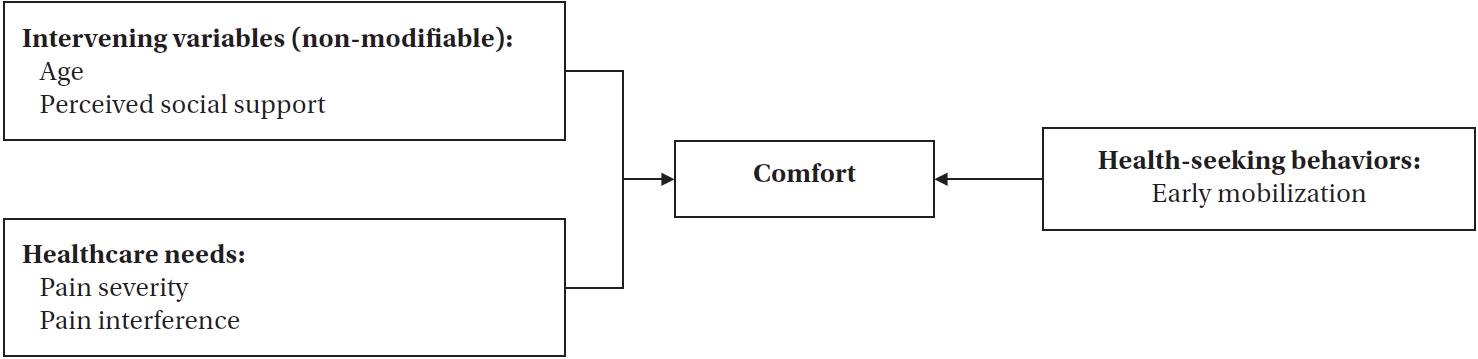
Table 1.Univariate Analysis of Comfort according to Patient Characteristics (N=132)
|
Characteristics |
Categories |
n (%) |
Comfort score |
t or F (p) |
|
M±SD or M±SD (range) |
|
Age (year) |
32–40 |
7 (5.3) |
91.43±8.68 |
0.92 (.454) |
|
41–50 |
29 (22.0) |
87.07±8.31 |
|
|
51–60 |
34 (25.8) |
85.65±6.46 |
|
61–70 |
39 (29.5) |
85.59±8.00 |
|
71–79 |
23 (17.4) |
86.52±9.46 |
|
Mean age (year) |
|
|
58.47±10.96 (32–79) |
|
|
Sex |
Male |
109 (82.6) |
85.94±7.63 |
−1.41† (.162) |
|
Female |
23 (17.4) |
88.52±9.49 |
|
|
Marital status |
Married |
129 (97.7) |
86.49±8.06 |
0.89† (.376) |
|
Widowed |
3 (2.3) |
82.33±3.51 |
|
|
Education |
No formal education |
17 (12.9) |
81.88±6.93 |
3.93 (.005) |
|
Primary school |
41 (31.1) |
86.95±7.25 |
|
|
Junior high school |
48 (36.4) |
87.88±8.00 |
|
Senior high school |
17 (12.9) |
82.71±6.34 |
|
University or above |
9 (6.8) |
91.44±10.93 |
|
|
Annual family income, CNY‡
|
10,000≤100,000 |
63 (47.7) |
86.41±8.44 |
0.64 (.593) |
|
100,000≤160,000 |
11 (8.3) |
84.26±6.20 |
|
|
160,000–250,000 |
6 (4.5) |
90.00±10.00 |
|
|
Not disclosed |
52 (39.4) |
86.38±7.64 |
|
|
Family accompaniment during hospitalization |
Yes |
124 (93.9) |
86.52±8.00 |
0.73† (.514) |
|
No |
8 (6.1) |
84.38±6.70 |
|
|
Viral hepatitis status |
Hepatitis B |
119 (90.2) |
86.21±7.92 |
0.61 (.544) |
|
Hepatitis B and C |
1 (0.8) |
94.00 |
|
|
No |
12 (9.1) |
87.58±9.19 |
|
BMI (kg/m2) |
Underweight (<18.5) |
4 (3.0) |
83.75±2.99 |
0.68 (.508) |
|
Normal weight (18.5–24.9) |
75 (56.8) |
85.91±8.29 |
|
|
Overweight or obesity (≥25) |
53 (40.2) |
87.28±7.85 |
|
|
Current smoking |
Yes |
53 (40.2) |
84.28±6.76 |
−2.53† (.013) |
|
No |
79 (59.8) |
87.81±8.49 |
|
|
Smoking history |
Yes |
81 (61.4) |
86.65±7.87 |
0.47† (.640) |
|
No |
51 (38.6) |
85.98±8.28 |
|
|
Current alcohol consumption |
Yes |
48 (36.4) |
84.92±6.96 |
−1.61† (.110) |
|
No |
84 (63.6) |
87.24±8.48 |
|
|
Past alcohol consumption |
Yes |
75 (56.8) |
86.63±8.25 |
0.38† (.703) |
|
No |
57 (43.2) |
86.09±7.74 |
|
|
Postoperative length of hospital stay (day) |
<7 |
17 (12.9) |
91.59±7.70 |
3.16 (.016) |
|
7–14 |
103 (78.0) |
85.47±7.67 |
|
|
15–21 |
9 (6.8) |
89.33±7.95 |
|
|
22–28 |
2 (1.5) |
78.50±13.44 |
|
|
>28 |
1 (0.8) |
83.00 |
|
|
Mean postoperative length of hospital stay (day) |
|
|
9.83±3.91 (4–29) |
|
|
Cancer stage |
IA |
67 (50.8) |
86.28±7.84 |
0.28 (.842) |
|
IB |
19 (14.4) |
86.16±7.16 |
|
|
IIA |
4 (3.0) |
90.00±16.55 |
|
|
IIIA |
42 (31.8) |
86.33±7.89 |
|
|
Surgical approach |
Open surgery |
25 (18.9) |
86.08±7.62 |
0.09 (.986) |
|
Laparoscopic surgery§
|
107 (81.1) |
86.47±8.13 |
|
|
Hepatectomy |
63 (58.9) |
86.49±8.30 |
|
|
Hepatectomy and cholecystectomy |
39 (36.4) |
86.31±8.23 |
|
|
Hepatectomy with other procedures |
4 (3.7) |
88.25±7.00 |
|
|
Da Vinci robot-assisted surgery |
1 (0.9) |
84.00 |
|
|
Postoperative complications |
Venous thrombosis of the lower extremities |
2 (1.5) |
85.00±1.41 |
0.23 (.951) |
|
Abdominal infection |
2 (1.5) |
83.50±3.54 |
|
|
Pleural effusion |
1 (0.8) |
85.00 |
|
|
Chyle leakage |
2 (1.5) |
83.00±2.83 |
|
|
Two or more complications |
4 (3.0) |
84.00±10.03 |
|
|
None |
121 (91.7) |
86.61±8.17 |
|
Table 2.Range, Mean, and Standard Deviation of Comfort, Pain Severity, Pain Interference, Early Mobilization, and Perceived Social Support among Participants (N=132)
|
Variables |
Possible range |
Actual range |
M±SD |
Level |
|
Overall comfort |
30–120 |
69–109 |
86.39±8.01 |
Moderate |
|
Physical |
1–4 |
1.80–3.80 |
2.87±0.43 |
Moderate |
|
Psychospiritual |
1–4 |
2.30–3.90 |
2.88±0.27 |
Moderate |
|
Environmental |
1–4 |
2.00–3.43 |
2.71±0.28 |
Moderate |
|
Sociocultural |
1–4 |
2.25–4.00 |
3.04±0.37 |
High |
|
Pain severity |
0–10 |
0–3.5 |
1.32±0.96 |
Mild |
|
Pain interference |
0–10 |
0–9.14 |
1.61±2.01 |
Mild |
|
Walking†
|
0–10 |
0–10 |
2.68±2.81 |
Mild |
|
Working†
|
0–10 |
0–10 |
2.48±3.14 |
Mild |
|
General activity†
|
0–10 |
0–10 |
1.73±2.73 |
Mild |
|
Mood†
|
0–10 |
0–10 |
1.36±2.45 |
Mild |
|
Sleep†
|
0–10 |
0–10 |
1.27±2.54 |
Mild |
|
Enjoyment of life†
|
0–10 |
0–10 |
0.92±2.27 |
Mild |
|
Relations with others†
|
0–10 |
0–10 |
0.84±1.98 |
Mild |
|
Early mobilization |
1–8 |
2–8 |
3.34±1.58 |
― |
|
Perceived social support |
12–84 |
42–84 |
64.67±9.37 |
High |
Table 3.Correlations among Comfort, Age, Pain Severity, Pain Interference, Early Mobilization, and Perceived Social Support (N=132)
|
Variables |
Age |
Pain severity |
Pain interference |
Early mobilization |
Perceived social support |
Comfort |
|
r (p) |
|
1. Age |
1 |
|
|
|
|
|
|
2. Pain severity |
−.02 (.807) |
1 |
|
|
|
|
|
3. Pain interference |
−.19 (.028) |
.48 (<.001) |
1 |
|
|
|
|
4. Early mobilization |
−.23 (.008) |
−.06 (.480) |
−.10 (.246) |
1 |
|
|
|
5. Perceived social support |
−.13 (.133) |
−.10 (.243) |
−.00† (.975) |
.17 (.048) |
1 |
|
|
6. Comfort |
−.10 (.274) |
−.25 (.003) |
−.28 (.001) |
.13 (.141) |
.42 (<.001) |
1 |
Table 4.Factors Associated with Comfort in Patients with HCC (N=132)
|
Variables |
B |
SE |
ꞵ |
t (p) |
Tolerance†
|
VIF |
|
(Constant) |
70.84 |
6.16 |
|
11.50 (<.001) |
|
|
|
Age |
−0.07 |
0.06 |
−.09 |
−1.12 (.264) |
.89 |
1.13 |
|
Pain severity |
−0.79 |
0.73 |
−.09 |
−1.07 (.287) |
.75 |
1.34 |
|
Pain interference |
−0.98 |
0.36 |
−.25 |
−2.72 (.008) |
.71 |
1.40 |
|
Early mobilization |
0.05 |
0.41 |
.01 |
0.11 (.909) |
.91 |
1.11 |
|
Perceived social support |
0.34 |
0.07 |
.39 |
5.06 (<.001) |
.95 |
1.05 |
|
R2=.27, adjusted R2=.24, F=9.20, p < .001 |
REFERENCES
- 1. Bray F, Laversanne M, Sung H, Ferlay J, Siegel RL, Soerjomataram I, Jemal A. Global cancer statistics 2022: GLOBOCAN estimates of incidence and mortality worldwide for 36 cancers in 185 countries. CA Cancer J Clin. 2024;74(3):229-63. https://doi.org/10.3322/caac.21834
- 2. Expert Committee of Guideline for the Diagnosis and Treatment of Primary Liver Cancer (2024 Edition). Guideline for the diagnosis and treatment of primary liver cancer (2024 edition). Chin J Clin Med. 2024;31(2):277-334. https://doi.org/10.12025/j.issn.1008-6358.2024.20240065
- 3. National Comprehensive Cancer Network. NCCN guidelines for hepatocellular carcinoma [Internet]. Plymouth Meeting, PA: National Comprehensive Cancer Network; 2026 [cited 2026 June 19]. Available from: https://www.nccn.org/professionals/physician_gls/pdf/hcc.pdf
- 4. Korean Liver Cancer Association (KLCA) and National Cancer Center (NCC) Korea. 2022 KLCA-NCC Korea practice guidelines for the management of hepatocellular carcinoma. Clin Mol Hepatol. 2022;28(4):583-705. https://doi.org/10.3350/cmh.2022.0294
- 5. Agarwal V, Divatia JV. Enhanced recovery after surgery in liver resection: current concepts and controversies. Korean J Anesthesiol. 2019;72(2):119-29. https://doi.org/10.4097/kja.d.19.00010
- 6. Ren QP, Luo YL, Xiao FM, Wen TF, Wu MH, Juan-Wan, et al. Effect of enhanced recovery after surgery program on patient-reported outcomes and function recovery in patients undergoing liver resection for hepatocellular carcinoma. Medicine (Baltimore). 2020;99(20):e20062. https://doi.org/10.1097/MD.0000000000020062
- 7. Cao Y, Shen J. Meta-analysis of multimodal analgesia for reducing postoperative wound pain after hepatectomy for hepatocellular carcinoma. Sci Rep. 2025;15(1):15494. https://doi.org/10.1038/s41598-025-00069-4
- 8. Kolcaba K. Comfort theory and practice: a vision for holistic health care and research. New York, NY: Springer Publishing Company, Inc.; 2003.
- 9. Boudiab LD, Kolcaba K. Comfort theory: unraveling the complexities of veterans' health care needs. ANS Adv Nurs Sci. 2015;38(4):270-8. https://doi.org/10.1097/ANS.0000000000000089
- 10. Karacabay K, Savci A, Kabu Hergul F. Investigating relationships between pain, comfort, anxiety and depression in surgical patients. Cyprus J Med Sci. 2022;7(1):40-7. https://doi.org/10.4274/cjms.2020.1758
- 11. Wang Y, Song X, Wang S, Bai T, Li R, Liu H, et al. Construction of pain management strategies after hepatectomy: evidence summary and Delphi study. J Pain Res. 2024;17:4541-59. https://doi.org/10.2147/JPR.S494243
- 12. Ren Q, Wu M, Li HY, Li J, Zeng ZH. Failure of enhanced recovery after surgery in liver surgery: a systematic review and meta analysis. Front Med (Lausanne). 2023;10:1159960. https://doi.org/10.3389/fmed.2023.1159960
- 13. Nural N, Alkan S. Identifying the factors affecting comfort and the comfort levels of patients hospitalized in the coronary care unit. Holist Nurs Pract. 2018;32(1):35-42. https://doi.org/10.1097/HNP.0000000000000245
- 14. Cheng F, Wang W. Factors influencing comfort level in head and neck neoplasm patients receiving radiotherapy. Int J Nurs Sci. 2014;1(4):394-9. https://doi.org/10.1016/j.ijnss.2014.10.009
- 15. Kolcaba KY. Holistic comfort: operationalizing the construct as a nurse-sensitive outcome. ANS Adv Nurs Sci. 1992;15(1):1-10. https://doi.org/10.1097/00012272-199209000-00003
- 16. Zhu LX, Gao FL, Luo HH, Deng HB, Wang QL. The study of testing the content validity and the internal consistency of general comfort questionnaire. Chin J Pract Nurs. 2006;22(13):57-9. https://doi.org/10.3760/cma.j.issn.1672-7088.2006.13.034
- 17. Cleeland CS. Measurement of pain by subjective report. In: Chapman CR, Loeser JD, editors. Advances in pain research and therapy. Vol. 12. Issues in pain measurement. New York, NY: Raven Press; 1989. p. 391-403.
- 18. Wang XS, Mendoza TR, Gao SZ, Cleeland CS. The Chinese version of the Brief Pain Inventory (BPI-C): its development and use in a study of cancer pain. Pain. 1996;67(2-3):407-16. https://doi.org/10.1016/0304-3959(96)03147-8
- 19. Serlin RC, Mendoza TR, Nakamura Y, Edwards KR, Cleeland CS. When is cancer pain mild, moderate or severe? Grading pain severity by its interference with function. Pain. 1995;61(2):277-84. https://doi.org/10.1016/0304-3959(94)00178-H
- 20. Hoyer EH, Young DL, Klein LM, Kreif J, Shumock K, Hiser S, et al. Toward a common language for measuring patient mobility in the hospital: reliability and construct validity of interprofessional mobility measures. Phys Ther. 2018;98(2):133-42. https://doi.org/10.1093/ptj/pzx110
- 21. Zimet GD, Dahlem NW, Zimet SG, Farley GK. The multidimensional scale of perceived social support. J Pers Assess. 1988;52(1):30-41. https://doi.org/10.1207/s15327752jpa5201_2
- 22. Huang L, Jiang QJ, Ren WH. Correlation between coping style, social support and psychosomatic symptoms in cancer patients. Chin J Ment Health. 1996;10(4):160-1.
- 23. Zhu L, Gao F, Liang X. Study of comfort status and related factors of post-thoracic surgery patients within 72 hours. Chin J Nurs. 2007;42(3):225-8.
- 24. National Health Commission of the People's Republic of China. Notice on issuing the action plan for further improving nursing services (2023-2025) [Internet]. Beijing: National Health Commission of the People's Republic of China; 2023 [cited 2026 June 19]. Available from: https://www.nhc.gov.cn/yzygj/c100067/202306/f0d902c62d714dffba6b8bbbf8f4d74c.shtml
- 25. Li M, Yu B, He H, Li N, Gao R. Impact of psychological resilience and social support on psycho-social adjustment in postoperative patients with primary hepatocellular carcinoma: mediating effects of fear of progression. Front Psychol. 2024;15:1461199. https://doi.org/10.3389/fpsyg.2024.1461199
- 26. Dogan A, Karasu VE, Tascioglu B, Kotluk O, Cirik Z. The relationship between perceived social support and postoperative comfort in coronary artery bypass graft: a cross-sectional study in Türkiye. Med Rec. 2024;6(3):419-25. https://doi.org/10.37990/medr.1523158
- 27. Hastuti AD, Pranata S. Comfort theory-based nursing interventions to enhance postoperative comfort in elderly patients. Jurnal Ilmiah Multidisiplin Ilmu. 2025;2(5):227-34. https://doi.org/10.69714/wkrdwh61
- 28. Joshy G, Khalatbari-Soltani S, Soga K, Butow P, Laidsaar-Powell R, Koczwara B, et al. Pain and its interference with daily living in relation to cancer: a comparative population-based study of 16,053 cancer survivors and 106,345 people without cancer. BMC Cancer. 2023;23(1):774. https://doi.org/10.1186/s12885-023-11214-5
- 29. Alsuwaylihi A, O'Connor D, Joshi GP, Kehlet H, Lobo DN. Importance of early postoperative mobilization: comprehensive review. BJS Open. 2026;10(2):zrag016. https://doi.org/10.1093/bjsopen/zrag016
- 30. Bektasoglu B, Eyi S. The effect of individualized care perception and patient characteristics on the comfort level of individuals undergoing lower extremity surgery. Etkili Hemsire Derg. 2025;18(3):448-64. https://doi.org/10.46483/jnef.1478986
- 31. Tunc M, Iseri O. Associations between perceived environmental stress factors and comfort by patients in the surgical intensive care units: cross-sectional descriptive study. Turkiye Klinikleri J Nurs Sci. 2025;17(4):1021-9. https://doi.org/10.5336/nurses.2025-108326




 E-SUBMISSION