Purpose This systematic review and meta-analysis examined the effects of shared decision-making (SDM)-based self-management interventions on health outcomes in patients with chronic obstructive pulmonary disease (COPD).
Methods Following the Preferred Reporting Items for Systematic Reviews and Meta-Analyses guidelines, three databases were searched in July 2022, supplemented by gray literature and citation searching. Randomized controlled trials that integrated SDM components into COPD self-management programs were included. Two reviewers independently performed study selection, data extraction, and risk-of-bias assessment. Random-effects models were used to pool odds ratios (ORs) for dichotomous outcomes and standardized mean differences (SMDs) for continuous outcomes, with 95% confidence intervals (CIs). Outcomes included hospital readmission, health-related quality of life (HRQoL), functionality, physical symptoms, psychological symptoms (depression and anxiety), and self-efficacy.
Results Seven studies (n=1,028) met the inclusion criteria. SDM-based interventions showed no statistically significant difference in hospital readmission (OR=1.59, 95% CI, 0.79 to 3.19; I²=49.1%) and no significant improvement in HRQoL (SMD=0.19, 95% CI, –0.14 to 0.51; I²=98.3%). Depression showed no significant effect (SMD=–0.01, 95% CI, –0.39 to 0.38; I²=98.1%). Self-efficacy improved slightly (SMD=0.12, 95% CI, 0.01 to 0.23; I²=89.4%), with substantial heterogeneity. Evidence for other secondary outcomes was inconsistent.
Conclusion SDM-based self-management interventions did not demonstrate clear benefits for hospital readmission or HRQoL in patients with COPD. Given the heterogeneity across studies, these findings should be interpreted cautiously. Future trials should use standardized SDM frameworks, assess implementation fidelity, and apply consistent outcome measures to clarify the role of SDM in COPD management.
Purpose This systematic review aimed to evaluate electrocardiogram interpretation competency among emergency and critical care nurses and to examine the diagnostic performance, benefits, and limitations of computerized and artificial intelligence–based electrocardiogram interpretation systems.
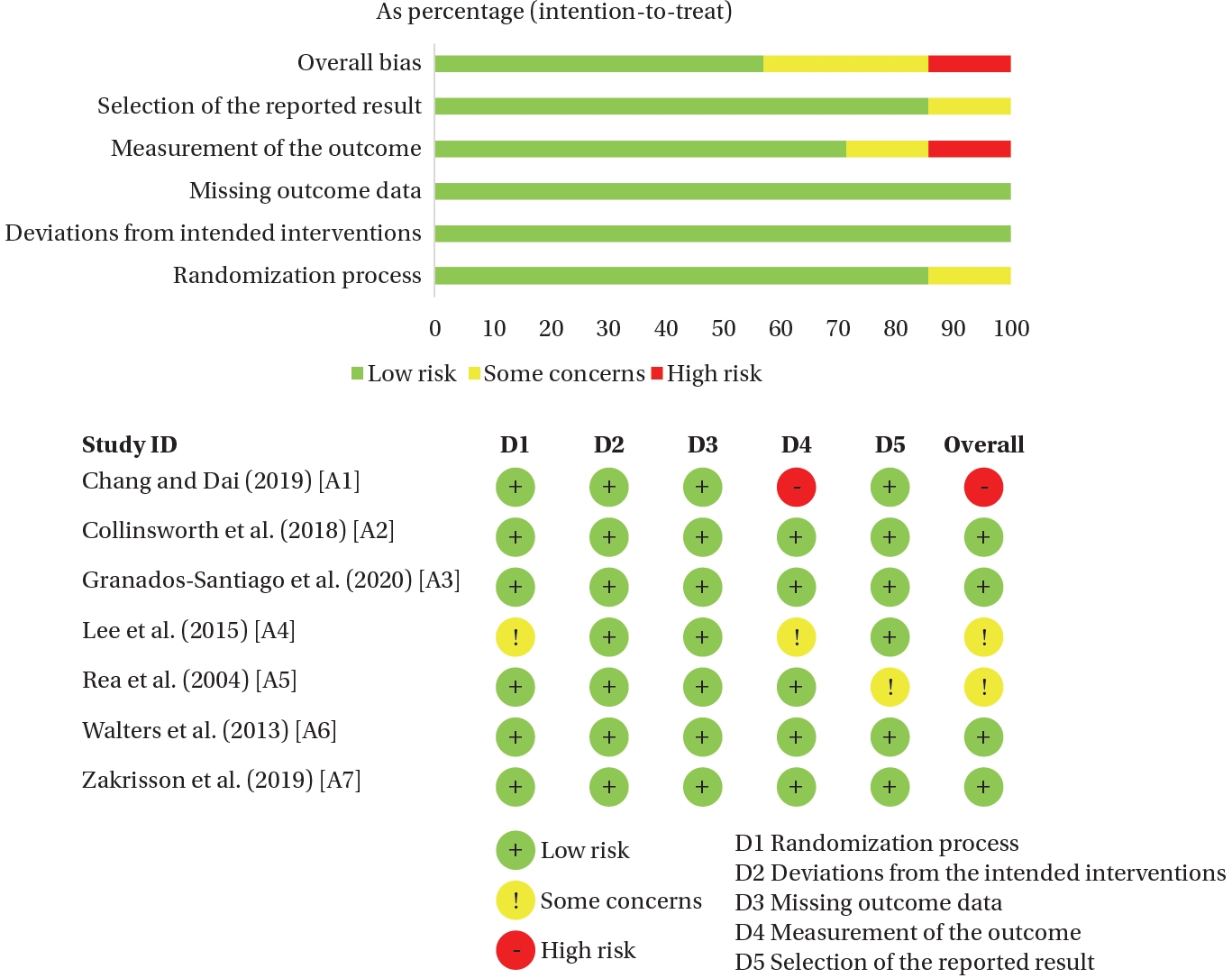
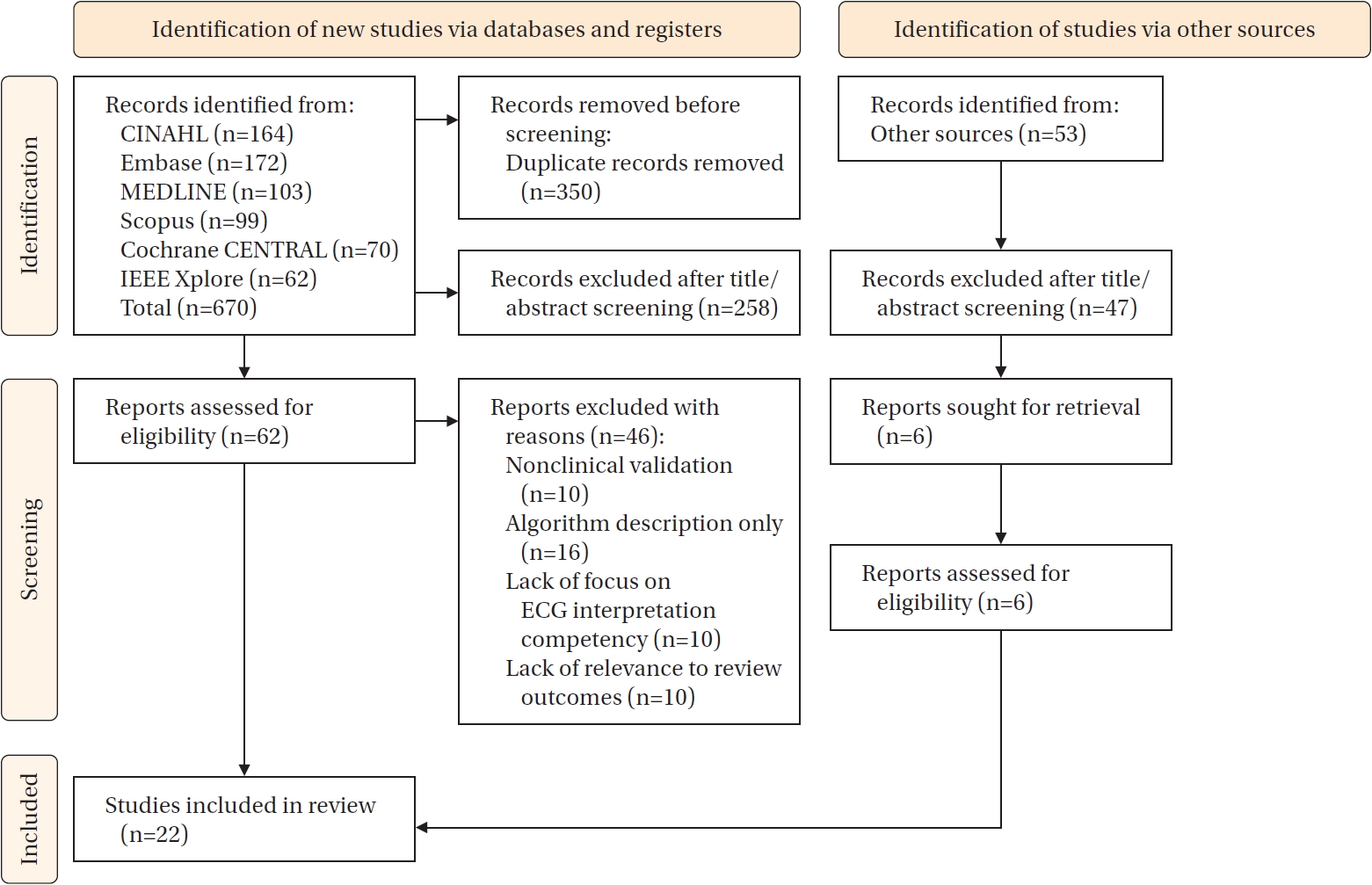
Methods This systematic review was conducted in accordance with PRISMA 2020 guidelines and registered in the International Prospective Register of Systematic Reviews under registration number CRD420251169307. Six electronic databases and additional sources were searched for studies published between January 2020 and October 2025, with the final search conducted in October 2025. Studies were included if they involved registered nurses interpreting electrocardiograms in acute care settings or evaluated computerized electrocardiogram interpretation systems using adult datasets. Methodological quality was assessed using validated tools appropriate to study design, including the Joanna Briggs Institute critical appraisal tools, ROBINS-I, and QUADAS-2.
Results Mean electrocardiogram interpretation scores among nurses ranged from 43% to 68%, with fewer than 40% of participants meeting predefined competency thresholds. Performance was strongest for asystole recognition and weakest for tachyarrhythmias, myocardial ischemia, and conduction abnormalities. Artificial intelligence–based systems demonstrated high diagnostic accuracy, with area under the curve values ranging from 0.91 to 0.97 and sensitivity exceeding 94% across major diagnostic tasks.
Conclusion Emergency and critical care nurses demonstrated insufficient electrocardiogram interpretation competency in several safety-critical domains. Computerized and artificial intelligence–based systems showed high diagnostic accuracy and may serve as effective complementary tools when integrated with ongoing nurse education and appropriate clinical oversight.
Purpose This study analyzed publications from the past decade in the Korean Journal of Adult Nursing (KJAN) to examine patterns in research design and thematic trends using both manual coding and topic modeling approaches.
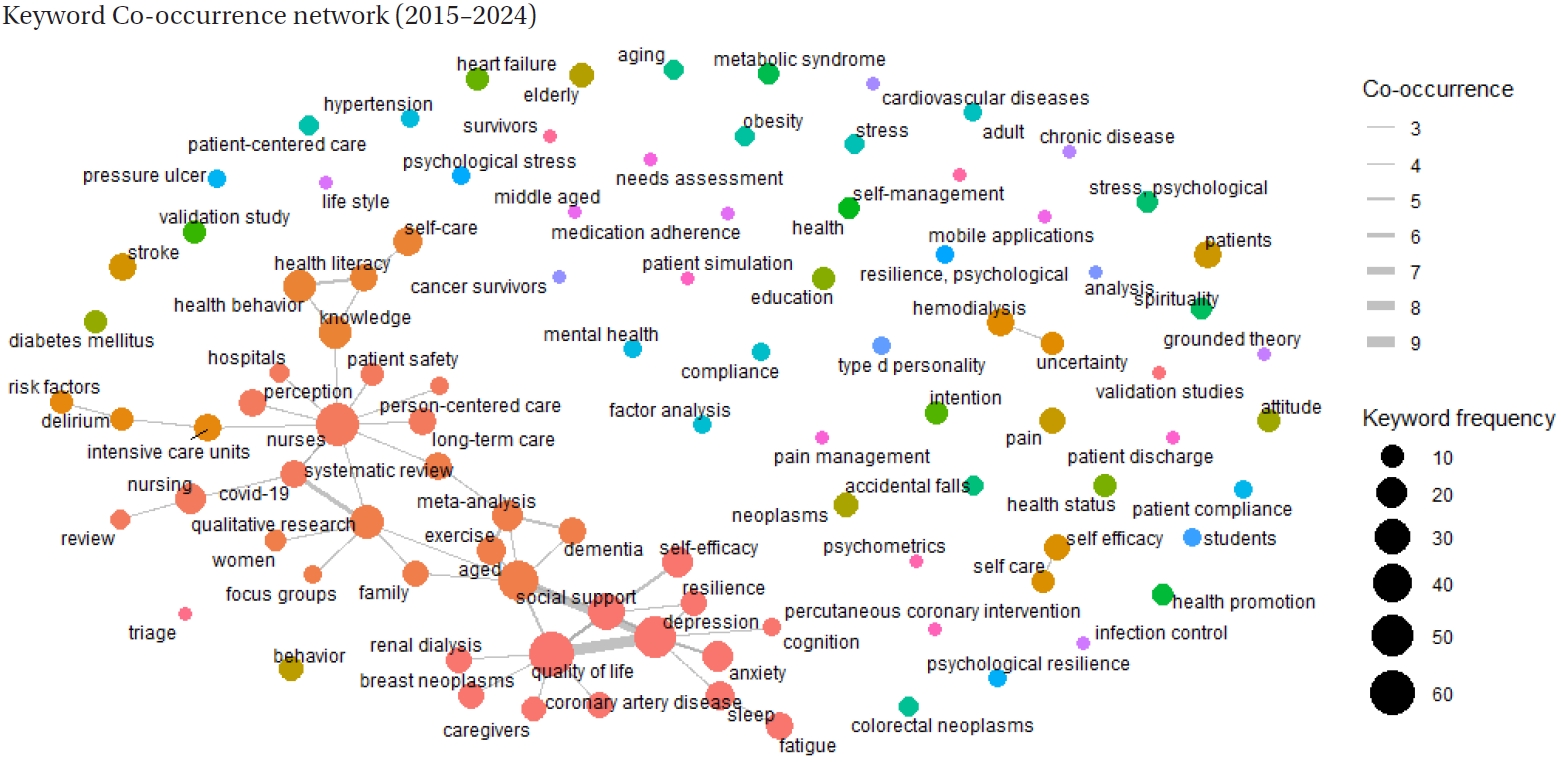
Methods A retrospective review was conducted of research articles published in KJAN between 2015 and 2024. Study designs and methodological characteristics were classified using a structured coding framework and analyzed with descriptive statistics. A text-mining approach incorporating keyword network analysis and latent Dirichlet allocation topic modeling was applied to examine thematic patterns.
Results Over the past decade, quantitative research was the predominant methodological approach, accounting for more than 70% of the 544 studies. The proportion of qualitative research decreased, whereas literature reviews increased. Within quantitative research, experimental studies declined, while secondary-data analyses and online surveys increased substantially. Keyword and topic analyses consistently highlighted psychological health, quality of life, chronic illness, and older adults as central research domains. Topic modeling further identified five major themes: (1) clinical interventions and symptom management; (2) disease management and health literacy; (3) psychological health, quality of life, and family/social support; (4) health behavior and functional/physical health; and (5) clinical practice, nursing workforce, and work environment.
Conclusion Adult nursing research in South Korea demonstrates both continuity and change, with sustained emphasis on psychosocial and chronic illness–related topics and increasing attention to workforce issues. To strengthen future scholarship, greater efforts are needed to ensure that findings derived from diverse research designs are reported in a coherent and integrated manner.
Purpose This study examined the relationships among nurses’ readiness for artificial intelligence (AI), attitudes toward AI, and behavioral intention to use AI, focusing on clinical nurses in a tertiary hospital setting.
Methods A cross-sectional descriptive study was conducted using an online self-report survey of 218 clinical nurses recruited through convenience sampling from a tertiary hospital in South Korea. AI readiness was measured using the Medical Artificial Intelligence Readiness Scale, attitudes toward AI were assessed using the Korean version of the General Attitudes toward Artificial Intelligence Scale, and behavioral intention was measured using items adapted from the Unified Theory of Acceptance and Use of Technology. Open-ended responses were summarized descriptively to explore expected AI applications.
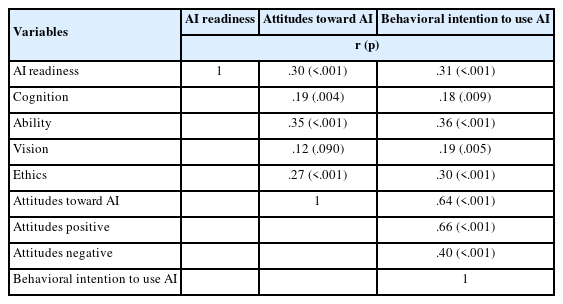
Results Clinical nurses demonstrated varying levels of AI readiness, attitudes toward AI, and behavioral intention to use AI, and these variables were positively correlated. Among AI readiness dimensions, ability and ethics tended to show stronger bivariate correlations with behavioral intention than vision. Hierarchical regression analysis indicated that attitudes toward AI were strongly associated with behavioral intention (β=.61, p<.001), whereas AI readiness factors showed weaker associations after attitudes were included. Open-ended responses suggested potential AI applications in both direct and indirect nursing care.
Conclusion Attitudes toward AI were strongly associated with nurses’ behavioral intention to use AI. AI readiness dimensions, particularly ability and ethics, were also associated with behavioral intention in correlation analyses, underscoring the importance of practical competence and ethical awareness. These findings provide empirical evidence to inform AI-related education, clinical integration, and organizational support strategies in nursing.
Citations
Citations to this article as recorded by
Nurses' knowledge, attitudes, literacy, anxiety, and readiness towards artificial intelligence in clinical practice: An international scoping review Aanuoluwapo Clement David-Olawade, Adewoyin A. Osonuga, David B. Olawade Applied Nursing Research.2026; 91: 152135. CrossRef
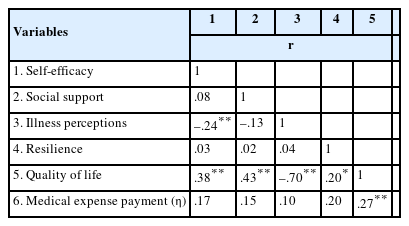
Purpose This study aimed to identify predictors of quality of life (QoL), including self-efficacy, social support, illness perceptions, and resilience, among colorectal cancer patients during the first 1 to 6 months after stoma surgery.
Methods A predictive correlational design was used with 142 adult patients who had undergone stoma surgery within the preceding 1 to 6 months. Data were collected using validated instruments measuring QoL, self-efficacy, social support, illness perceptions, and resilience. The data were analyzed using descriptive statistics, the independent t-test, one-way analysis of variance, the Games-Howell post-hoc test, Pearson correlation coefficients, and hierarchical multiple linear regression analysis.
Results The participants had a mean age of 56.15 years (standard deviation, 6.51 years); 67.6% were male, and 57.0% had a temporary stoma. In model 1, the method of paying medical expenses significantly predicted QoL, explaining 6.0% of the variance (adjusted R²=.06, p=.006), with self-financed patients reporting lower QoL than insured patients. In model 2, the addition of psychosocial variables (self-efficacy, social support, illness perceptions, and resilience) substantially improved the model, explaining 70.0% of the variance (adjusted R²=.70, p<.001). In the final model, illness perceptions (β=−.61), social support (β=.32), resilience (β=.20), and self-efficacy (β=.19) were significant predictors (all p<.001), whereas method of paying medical expenses was no longer significant.
Conclusion This study provides evidence to support the development of interventions targeting illness perceptions, social support, resilience, and self-efficacy to improve QoL among stoma patients during the early postoperative period.
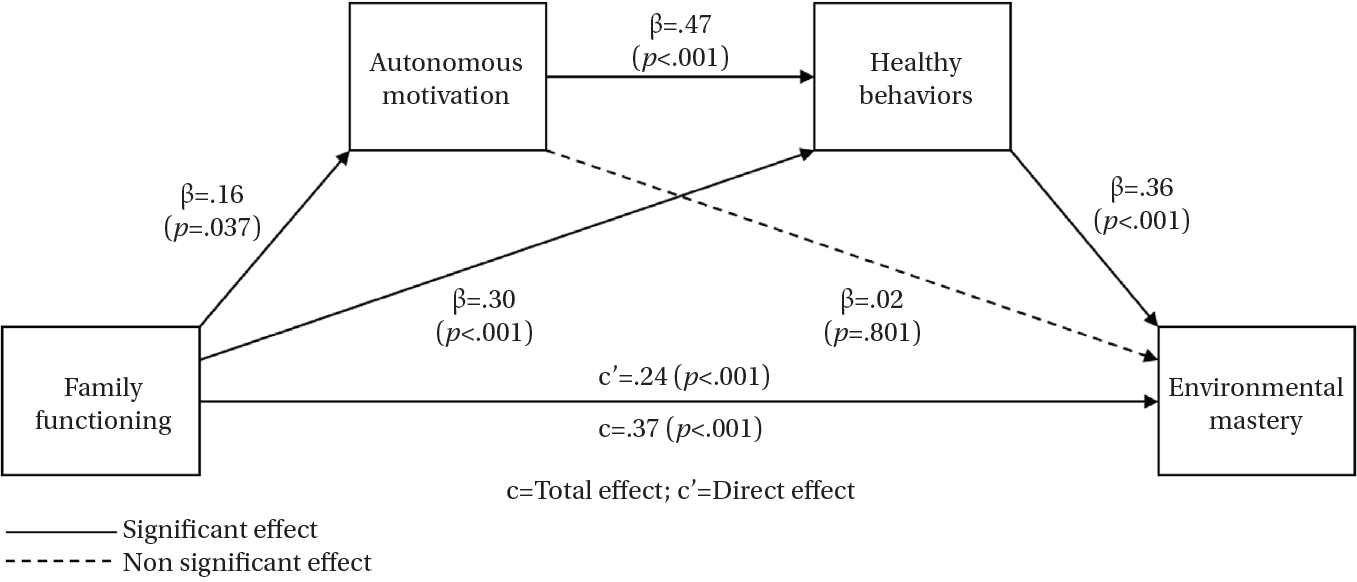
Purpose This study examined the association between family functioning and environmental mastery among breast cancer survivors. Specifically, it tested a serial mediation model involving autonomous motivation and healthy behaviors and compared this pathway with the potential role of controlled motivation.
Methods A cross-sectional survey was conducted with 192 community-dwelling Korean breast cancer survivors recruited from an outpatient breast clinic. Participants completed a structured self-administered questionnaire assessing family functioning, autonomous and controlled motivation for self-management, engagement in healthy behaviors, and environmental mastery. Serial mediation was tested using a regression-based bootstrapping approach implemented with Hayes’ PROCESS macro.
Results Family functioning was positively associated with both healthy behaviors and environmental mastery. The serial indirect effect through autonomous motivation and healthy behaviors was significant (standardized indirect effect, 0.03; 95% bootstrapped confidence interval [BootCI], 0.00–0.06). In addition, healthy behaviors independently mediated the association between family functioning and environmental mastery (standardized indirect effect, 0.11; 95% BootCI, 0.05–0.17). Controlled motivation was not significantly associated with family functioning and did not contribute to indirect effects.
Conclusion Supportive family functioning may enhance environmental mastery primarily through greater engagement in healthy behaviors, including a significant sequential pathway involving autonomous motivation. These findings support family-centered, autonomy-supportive approaches that strengthen healthy behaviors to promote psychological adjustment during breast cancer survivorship.
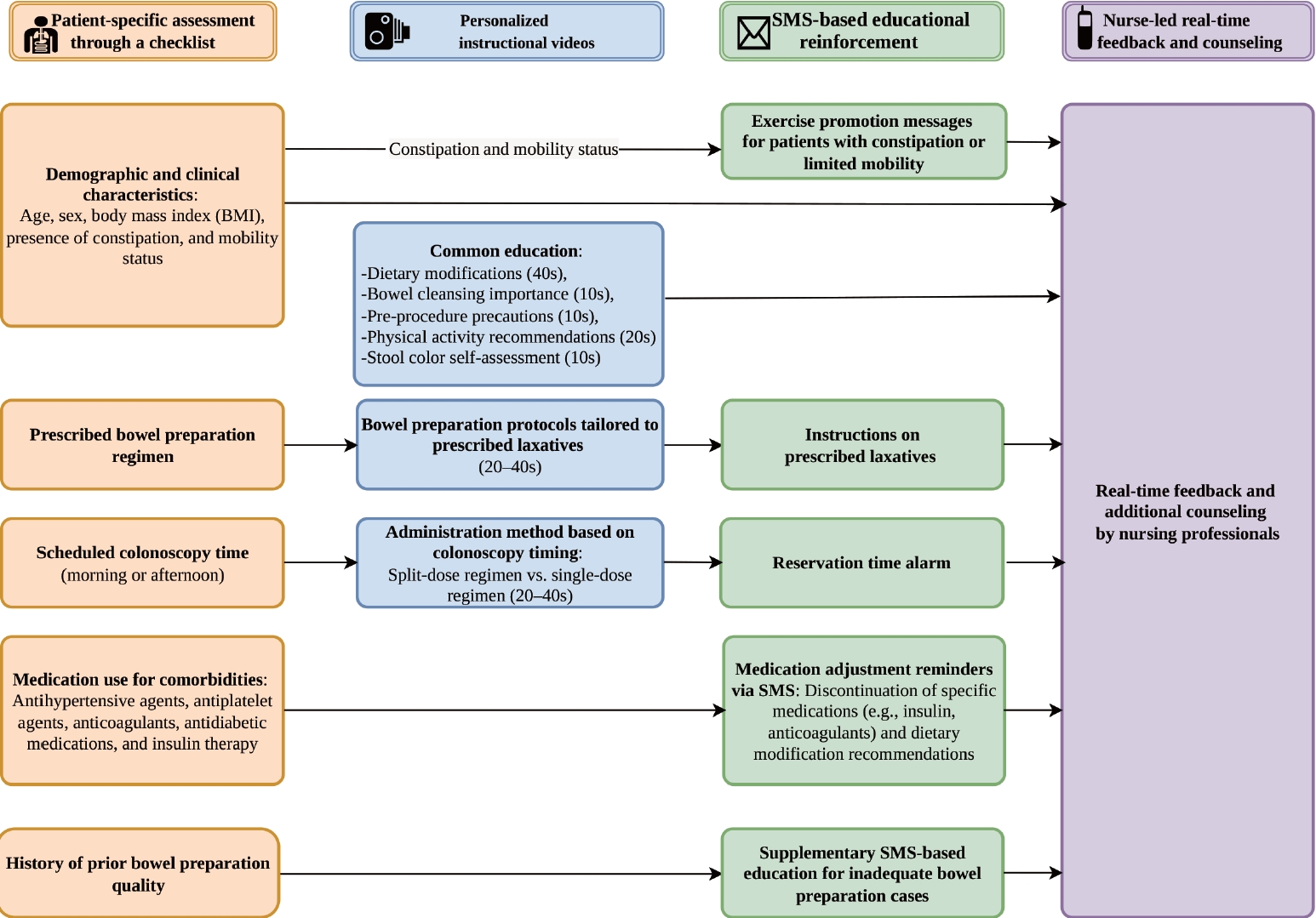
Purpose Inadequate bowel preparation compromises the efficacy of colonoscopy. This study aimed to develop and evaluate a patient-tailored bowel preparation program designed to improve bowel preparation quality, medication adherence, and dietary adherence among patients undergoing colonoscopy.
Methods The program consisted of four phases: (1) patient-specific assessment using a checklist; (2) personalized instructional videos; (3) short message service reminders; and (4) nurse-led counseling. A quasi-experimental, nonconcurrent nonequivalent control group, posttest-only design was used, with the control group recruited first. The study was conducted from April to July 2024 at a tertiary hospital in South Korea and included 80 adult outpatients scheduled for colonoscopy (40 control and 40 experimental participants). Outcomes included bowel preparation quality assessed using the Aronchick Bowel Preparation Scale, medication knowledge and adherence, and dietary knowledge and adherence.
Results The experimental group demonstrated significantly higher bowel preparation quality than the control group (Z=8.13, p<.001, r=0.91). Medication knowledge and adherence were also significantly higher in the experimental group than in the control group (Z=3.54, p<.001, r=0.40; Z=6.50, p<.001, r=0.73; respectively). Similarly, dietary knowledge and adherence improved significantly in the experimental group compared with the control group (Z=5.28, p<.001, r=0.59; Z=5.32, p<.001, r=0.60; respectively).
Conclusion The patient-tailored bowel preparation program effectively improved bowel preparation outcomes for colonoscopy. Future research should focus on integrating the program into electronic health records to enable automated delivery and improve efficiency and scalability in clinical practice.




 E-SUBMISSION
 First
First Prev
Prev